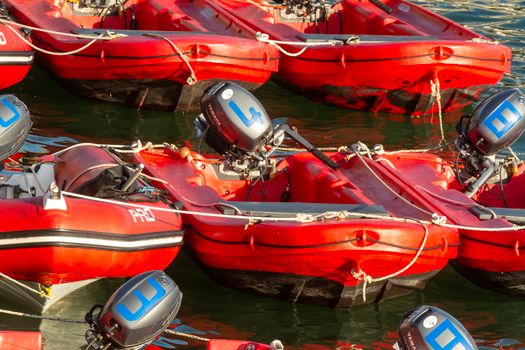
Photo by Jan van der Wolf / Pexels
Enter Boat Specifications
Photo by Jan van der Wolf / Pexels

Photo by Jose Ricardo Barraza Morachis / Pexels
Speed Estimates
Photo by Jose Ricardo Barraza Morachis / Pexels
-
Hull Speed (knots)
-
MPH
-
KPH
-
Speed-Length Ratio
-
HP per 1000 lbs
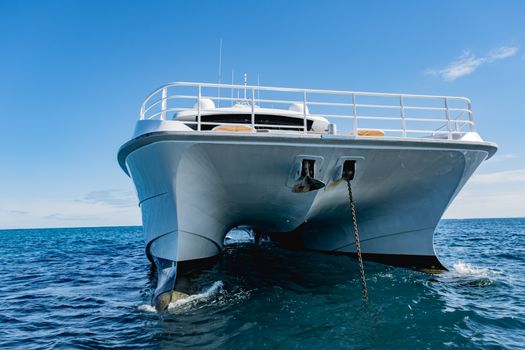
Photo by Rachel Claire / Pexels
Displacement vs Planing Hulls
Photo by Rachel Claire / Pexels
| Feature | Displacement | Semi-Displacement | Planing |
|---|---|---|---|
| Speed Limit | Hull speed only | Slightly above hull speed | Well above hull speed |
| SLR Range | 0.0 – 1.34 | 1.34 – 2.5 | 2.5+ |
| Fuel Efficiency | Excellent at low speed | Good | Lower at cruise |
| Ride in Waves | Comfortable | Moderate | Can pound |
| HP Needed | Low | Medium | High (40+ HP/ton) |
| Typical Boats | Trawlers, sailboats | Lobster boats | Bowriders, bass boats |
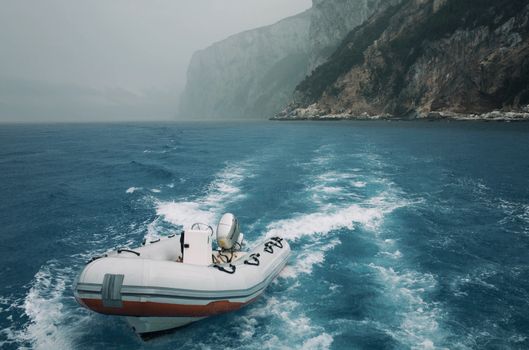
Photo by David Music / Pexels
Understanding Hull Speed
Photo by David Music / Pexels
Hull speed is the theoretical maximum efficient speed for a displacement hull, determined by the formula:
Hull Speed (knots) = 1.34 × √(Waterline Length in ft)
At hull speed, the bow wave and stern wave align with the boat's length. Pushing beyond this creates a large wake and requires exponentially more power.
Speed-Length Ratio (SLR)
SLR = Speed (knots) / √LWL. Below 1.34 = displacement mode. Above 2.5 = fully planing. Between = transitional (most fuel-inefficient zone).