Understanding Thyroid Nodules: 10 Warning Signs You Cannot Ignore
Did you know that a large share of the population will develop a thyroid nodule by the time they reach the age of 60? Despite their prevalence, discovering an unusual growth in your neck can be an incredibly frightening experience. While most of these nodules are benign, ignoring them is never a safe strategy for your long-term health.
Your thyroid gland, a small butterfly-shaped organ at the base of your neck, plays a pivotal role in regulating your metabolism and energy levels. When abnormal tissue growth occurs, it can manifest in ways that range from barely noticeable to life-altering. In this comprehensive guide, we will explore the 10 critical symptoms of thyroid nodules and help you understand when it is time to seek professional medical intervention.
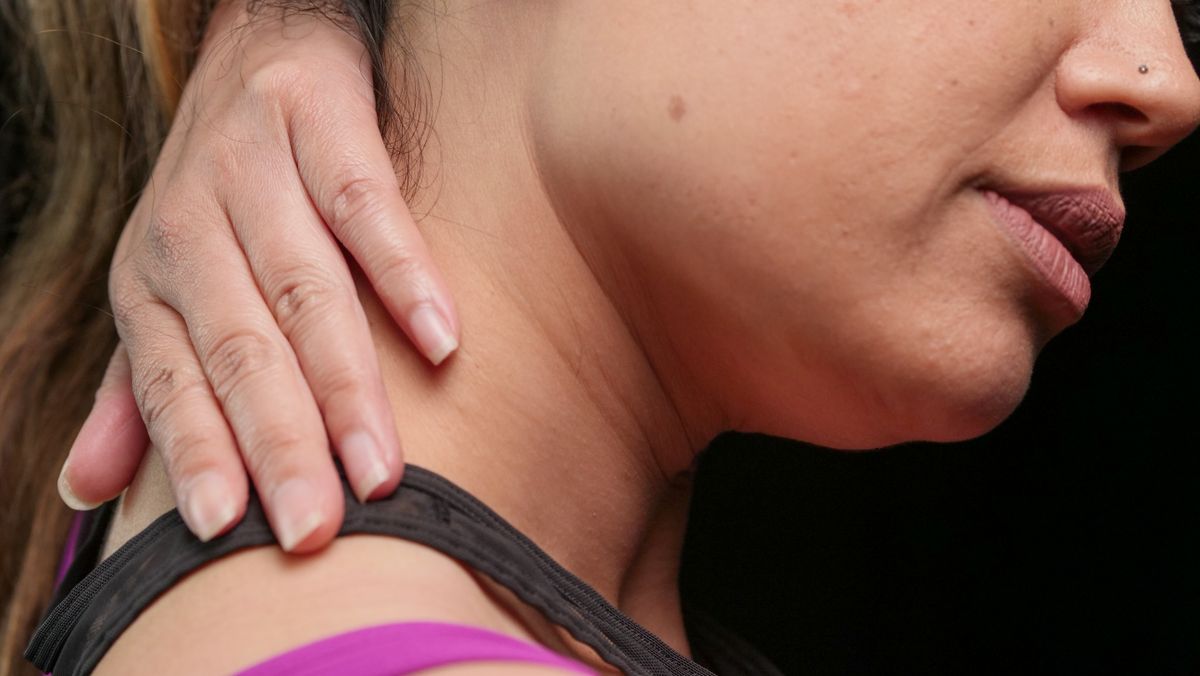
1. A Visible Lump in the Neck
Sometimes, the most obvious sign is the one we try to dismiss as a simple swelling. If you notice a visible protrusion or a palpable bulge in the lower part of your neck, especially when you swallow, it warrants an immediate evaluation. This lump may be a solitary growth or part of a multi-nodular goiter.
While not every visible lump is malignant, they indicate that the thyroid tissue has changed structurally. If the lump is firm, fixed to the underlying tissue, or has grown rapidly over a few weeks, it is a significant red flag. You should request a professional ultrasound to determine whether the nodule is fluid-filled, known as a cyst, or a solid mass.
When to See a Doctor About Neck Lumps
If you find a new lump, avoid the temptation to "wait and see." A quick checkup allows for a baseline assessment, providing peace of mind or early detection if treatment is required. Physicians typically look for mobility and consistency to determine the next diagnostic steps.
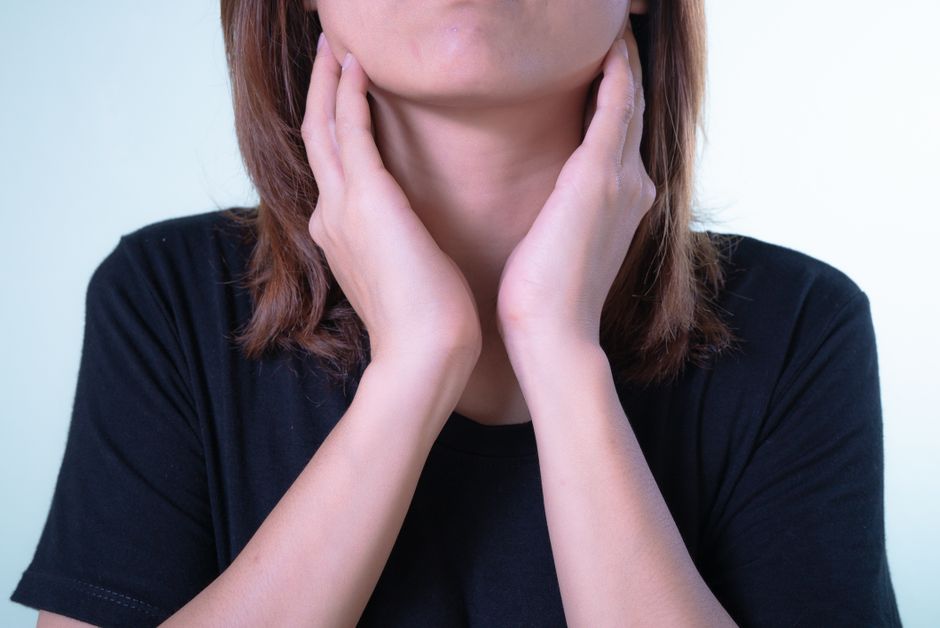
2. Difficulty Swallowing (Dysphagia)
Dysphagia is the medical term for feeling as though food is getting stuck in your throat. This occurs when a thyroid nodule becomes large enough to press against the esophagus. Even smaller nodules, if strategically placed, can impede the normal, smooth mechanics of swallowing.
Do not dismiss this sensation as a "dry throat" or a lingering minor cold. If this feeling persists for more than two weeks, you must schedule an appointment with a primary care physician to rule out esophageal compression. Persistent difficulty swallowing is often the first sign that a growth has reached a size requiring medical intervention.

3. Persistent Hoarseness or Voice Changes
Your vocal cords are located in close proximity to your thyroid gland. When a nodule grows significantly, it can put physical pressure on the recurrent laryngeal nerve, which controls the movement of your vocal cords. This leads to noticeable changes in your voice quality.
If you have noticed that your voice has become raspy, hoarse, or breathy without an obvious cause like a respiratory infection or vocal strain, you need to pay attention. If your voice doesn't return to normal within three to four weeks, this is a classic symptom that warrants an urgent referral to an ENT specialist or an endocrinologist.

4. Chronic Neck or Throat Pain
While many thyroid nodules are entirely painless, some individuals report a dull, aching sensation or a "tight" feeling in the throat area. This pain can sometimes radiate toward the ears or up the jawline, often leading patients to misattribute the discomfort to dental issues or sinus infections.
If you experience persistent discomfort that is not associated with an illness, it may be the result of a nodule expanding and putting tension on the surrounding tissues. Keeping a symptom diary can help your doctor differentiate between temporary inflammation and a structural growth. Documenting exactly where the pain occurs and what triggers it provides valuable clinical data.

5. Unexplained Shortness of Breath
Thyroid nodules, particularly those located near the trachea (windpipe), can occasionally cause significant respiratory distress. When a growth is large enough to narrow the airway, you may find yourself feeling winded even during light activity or while resting.
This is often described as a feeling of being unable to take a full, deep breath. If you find that you are wheezing or if your breathing is noticeably loud at night, this requires immediate professional attention. These symptoms indicate that the nodule is physically obstructing your airway, which is a serious clinical situation.

6. Symptoms of Hyperthyroidism (Overactive Thyroid)
Some thyroid nodules are "functioning," meaning they produce excess thyroid hormone independently of the body’s regulatory systems. This can cause the thyroid gland to become overactive, leading to a host of systemic symptoms. Recognizing these signs is crucial for early diagnosis and treatment.
- Unexplained weight loss despite a normal appetite
- Rapid or irregular heartbeat (tachycardia)
- Increased sensitivity to heat
- Frequent, unexplained bouts of anxiety or nervousness
- Fine tremors in the hands or fingers
Diagnostic Tests for Hyperthyroidism
If you suspect your nodule is affecting your hormones, your doctor will likely order a TSH (thyroid-stimulating hormone) test. According to the American Thyroid Association, checking hormone levels is the standard first step when a nodule is identified during a physical exam.

7. Feeling of "Fullness" or Pressure in the Neck
Patients often describe a subtle, persistent sensation of pressure in their neck, almost like wearing a necklace that is slightly too tight. This "fullness" can be an early indicator of nodular growth, even before a visible lump is apparent to others.
While this symptom is subjective, it should not be disregarded. If the feeling becomes more pronounced when you look up or lean your head back, it is a strong indicator that internal pressure is shifting. Discussing this feeling with your physician early can lead to imaging tests that reveal nodules before they cause more severe symptoms.

8. Persistent Coughing Without Illness
A chronic cough that is not linked to asthma, smoking, or a cold can sometimes be caused by a thyroid nodule pressing against the trachea. This is often an "irritation cough," triggered by the physical touch of the nodule against sensitive respiratory structures.
If you find that your cough persists for several weeks despite trying over-the-counter remedies, do not assume it is just allergies. A clinical evaluation, including a neck ultrasound, is the safest way to rule out structural issues in the neck area. Never ignore a cough that stays for over a month.

9. Difficulty Breathing When Lying Down
Positional breathing issues are a hallmark of larger thyroid goiters or deep-seated nodules. When you lie flat, gravity causes the enlarged gland to shift backward, potentially placing additional pressure on the trachea. This may cause you to wake up gasping or feeling suffocated.
If you notice that you need extra pillows to prop yourself up at night to breathe comfortably, please consult your doctor immediately. This symptom suggests that the growth is significant enough to alter your respiratory mechanics during sleep, necessitating a clear plan for treatment or surgical consultation.

10. A Family History of Thyroid Conditions
While not a "symptom" in the traditional sense, a family history is the most critical risk factor that should prompt you to monitor your neck closely. Genetics play a substantial role in the development of both benign nodules and thyroid malignancies.
If your parents or siblings have dealt with thyroid nodules or cancer, you should be proactive. Mention this history to your primary care physician during your annual wellness exam. They may recommend more frequent monitoring or a lower threshold for ordering diagnostic ultrasounds if you mention these concerns.

Comparing Thyroid Nodule Characteristics
Understanding the nature of your symptoms can help you prepare for your medical consultation. Use the table below to compare different types of findings.
| Feature | Likely Benign | Requires Investigation |
|---|---|---|
| Growth Rate | Very slow or stationary | Rapid change in weeks |
| Consistency | Soft, cystic, movable | Hard, fixed, immovable |
| Symptom Onset | Often asymptomatic | Pain, choking, or hoarseness |
| Size | Small, consistent | Rapidly increasing volume |

How to Take Action Today
If you recognize any of these symptoms, the first step is to schedule an appointment with your primary care provider. Before your visit, perform a simple self-exam. Stand in front of a mirror, look at the base of your neck, and swallow a sip of water while observing the area. If you see any asymmetry or movement that concerns you, bring it up clearly during your consultation.
Remember that the majority of thyroid nodules are benign. The objective of testing is to ensure that if a nodule is problematic, it is addressed before it can cause long-term complications. Being proactive about your neck health is a sign of true empowerment.
Frequently Asked Questions About Thyroid Nodules
Are all thyroid nodules cancerous?
No. In fact, roughly 90–95% of all thyroid nodules are benign, meaning they are non-cancerous. Only about 5% are found to be malignant, so there is statistically a high probability that your nodule is not a cause for alarm.
Will I need surgery if I have a nodule?
Rarely. Surgery is usually reserved for nodules that are very large, causing breathing or swallowing issues, or those that show specific suspicious features during a biopsy. For most patients, active surveillance and regular ultrasounds are the standard of care.
How often should I get an ultrasound after diagnosis?
Typically, your endocrinologist will recommend an ultrasound every 6 to 12 months after a diagnosis to monitor for changes in size or appearance. This helps doctors track the progress of the nodule and decide if future biopsies are necessary.
What is a Fine Needle Aspiration (FNA) biopsy?
An FNA biopsy is a quick, minimally invasive procedure where a doctor uses a very thin needle to collect a small sample of cells from the nodule. This sample is sent to a laboratory to determine if the cells are benign or potentially malignant.
Can lifestyle changes shrink a thyroid nodule?
While maintaining a healthy lifestyle is essential for overall thyroid function, there is currently no evidence that specific diets or supplements can shrink an existing thyroid nodule. Always consult your endocrinologist before starting any new treatment plan for your thyroid.
Your health is your most valuable asset. If you are experiencing any of the symptoms discussed, prioritize a medical evaluation. By staying informed and acting early, you ensure the best possible outcomes for your thyroid health and overall well-being.
Disclaimer
This article is general information, not medical advice. It cannot account for an individual's history, medications or risk factors. Anyone weighing a treatment, a test or a change in medication should speak with a qualified healthcare professional first, and treat urgent symptoms as an emergency rather than a research question.