Effective Budget Meal Prep Ideas For The Week
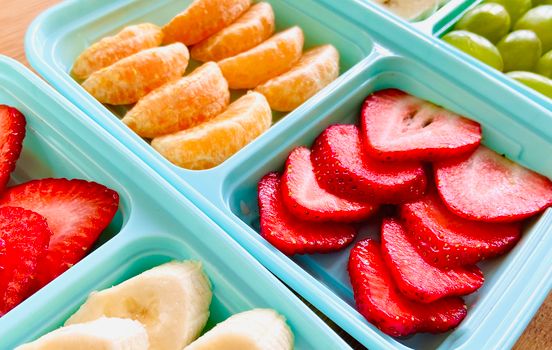
Budget meal prep works by cooking a few versatile ingredients in bulk, portioning them safely, and building the week's meals around what is on sale rather than around a fixed recipe list. Grocery prices vary by store, region and season and change from week to week, so this guide does not quote prices that would quickly be wrong. Instead it explains how to plan, which ingredients stretch furthest, how to store and reheat food safely using the U.S. Department of Agriculture's Food Safety and Inspection Service (FSIS) guidance, and a sample menu you can price at your own store.
Step 1: Plan Around What Is Cheap This Week
- Check what you already have. Use up pantry, fridge and freezer items first.
- Read the weekly flyer or app. Build meals around discounted proteins and produce.
- Pick two or three base recipes that can be varied with different sauces and sides.
- Write a list by store section and stick to it.
- Compare unit prices on shelf labels (price per ounce or pound) rather than package prices.
How Much Does Weekly Meal Prep Cost?
Your cost depends on household size, local prices, and how much you cook from scratch. The simplest way to find your number is to price your list at your usual store before you shop and compare it with what you spent on takeout or convenience food in a typical week. Most savings come from three habits: buying staples in larger packages when the unit price is lower, choosing seasonal produce, and wasting less because every ingredient has a planned use.
What Are The Best Budget Proteins For Meal Prep?
- Dried beans and lentils: very low cost per serving, store for a long time, and work in soups, chili, salads and bowls.
- Eggs: versatile for breakfasts, fried rice and frittatas.
- Chicken thighs or whole chickens: often cheaper than breasts per pound; a whole chicken gives meat for several meals and bones for stock.
- Canned fish: tuna, salmon or sardines for quick lunches.
- Tofu: inexpensive and absorbs marinades well.
- Ground meat bought on sale: stretch it with beans, lentils or vegetables.
Budget Carbohydrates and Vegetables
Rice, oats, pasta, potatoes and bread are filling and cheap. For vegetables, carrots, cabbage, onions, frozen mixed vegetables and seasonal produce give the most for the money. Frozen fruits and vegetables are picked and frozen at peak ripeness, reduce waste, and are easy to portion.
How To Store And Reheat Prepped Meals Safely
Food safety is the part of meal prep that cannot be skipped. FSIS guidance on leftovers sets out the key rules (USDA FSIS, Leftovers and Food Safety, read October 9, 2026):
- Cook to safe temperatures measured with a food thermometer: poultry to 165°F, ground meats to 160°F, and whole cuts of beef, pork, lamb and veal to 145°F with a three-minute rest.
- Refrigerate within 2 hours of cooking; FSIS notes bacteria grow rapidly between 40°F and 140°F, and the limit is 1 hour when it is above 90°F.
- Cool food fast by dividing large amounts into shallow containers; hot food can go straight into the refrigerator.
- Store leftovers in the refrigerator for 3 to 4 days, or freeze them for 3 to 4 months; frozen food stays safe longer but can lose quality.
- Reheat leftovers until they reach 165°F, measured with a food thermometer.
Because refrigerated meals keep for 3 to 4 days, a practical approach is to refrigerate the first part of the week's portions and freeze the rest, moving them to the refrigerator to thaw the day before.
Sample 5-Day Budget Meal Prep Menu
| Day | Breakfast | Lunch | Dinner |
|---|---|---|---|
| Monday | Overnight oats with frozen fruit | Chicken, rice and roasted vegetables | Lentil and vegetable soup |
| Tuesday | Egg muffins | Bean and rice burrito bowl | Chicken stir-fry with cabbage |
| Wednesday | Overnight oats | Lentil soup (from freezer portion) | Pasta with tomato and bean sauce |
| Thursday | Egg muffins | Tuna and potato salad | Vegetable fried rice with eggs |
| Friday | Toast with peanut butter and banana | Leftover pasta | Chili with beans |
Price this list at your own store. Swap any protein or vegetable for whatever is on sale; the cooking methods stay the same.
Batch-Cooking Plan for a Two-Hour Session
- Start the slowest items first: rice or potatoes, and a pot of beans or lentils.
- Roast a tray of chicken and a tray of vegetables at the same time.
- While they cook, make a soup or chili for freezing and prepare overnight oats.
- Cool everything quickly in shallow containers, label with the date, and refrigerate or freeze.
Equipment That Helps
- Airtight containers in a few sizes, ideally ones safe for reheating.
- A food thermometer to check cooking and reheating temperatures.
- Sheet pans, a large pot, and a sharp knife.
- Freezer bags and a marker for labels and dates.
Ways to Cut Costs Further
- Cook beans from dried instead of canned when you have time.
- Use leftover vegetables and bones for stock.
- Buy store brands for staples such as rice, oats and canned tomatoes.
- Repurpose leftovers: roasted vegetables become a frittata, rice becomes fried rice.
- Track what you throw away for two weeks and adjust quantities.
Comparison: Meal Prep Approaches
| Approach | Best for | Trade-off |
|---|---|---|
| Full meals in containers | Busy weekdays | Less variety |
| Ingredient prep (cook components, assemble daily) | People who like variety | A few minutes of assembly each day |
| Freezer meals | Planning weeks ahead | Needs freezer space |
Flavor Without Extra Cost
Eating the same base ingredients all week is easier when the flavors change. Keep a few inexpensive staples on hand, such as garlic, onions, canned tomatoes, soy sauce, vinegar, chili flakes, dried herbs and spices, and use them to turn the same chicken, beans and rice into different meals: a tomato-based stew one day, a soy-ginger stir-fry the next, and a spiced chili later in the week.
Frequently Asked Questions
How long do prepped meals last in the refrigerator?
FSIS says leftovers can be kept in the refrigerator for 3 to 4 days. Freeze anything you will eat later than that.
Can I freeze cooked rice and pasta?
Yes. Cool them quickly in shallow containers, freeze, and reheat until steaming hot, reaching 165°F.
Is it safe to put hot food straight in the fridge?
Yes. FSIS notes hot food can be placed directly in the refrigerator; dividing it into shallow containers helps it cool faster.
What is the cheapest protein for meal prep?
Dried beans and lentils are usually the least expensive per serving, followed by eggs and chicken thighs, but compare unit prices at your store.
Label each container with the contents and the date it was cooked so you can see at a glance what needs to be eaten first.
Key Takeaways
- Plan around sales, compare unit prices, and use what you already have.
- Choose versatile proteins and staples you can vary with sauces.
- Refrigerate within 2 hours, eat within 3 to 4 days, and reheat to 165°F.
- Freeze later-week portions.
Sources and References
- USDA Food Safety and Inspection Service, Leftovers and Food Safety (read October 9, 2026).