The Gap Between a Backup Endorsement and the Repair Bill
A sewer or water backup endorsement pays only up to its own limit, and that limit is often set without anyone pricing what a full basement cleanup and rebuild would cost — so the gap between the two is what owners end up paying. Standard homeowners policies usually exclude water that backs up through drains or sewers or overflows from a sump pump unless you add this optional coverage. Separately, the National Association of Insurance Commissioners notes that flood damage from groundwater, rain runoff and snowmelt is not covered by homeowners insurance and must be bought separately (NAIC, Homeowners Insurance). This guide explains how to estimate your own exposure, choose a limit, understand deductibles and depreciation, and reduce the risk of a backup.
This is general information. Endorsement wording, limits and prices vary by insurer and state; your policy controls.
How Backup Coverage Usually Works
- It is an add-on. Backup coverage is typically an endorsement with its own limit, purchased for an additional premium.
- It has a separate limit. The endorsement pays up to a stated amount per occurrence, regardless of the home's overall dwelling limit.
- A deductible applies. It may be the policy's standard deductible or a separate one.
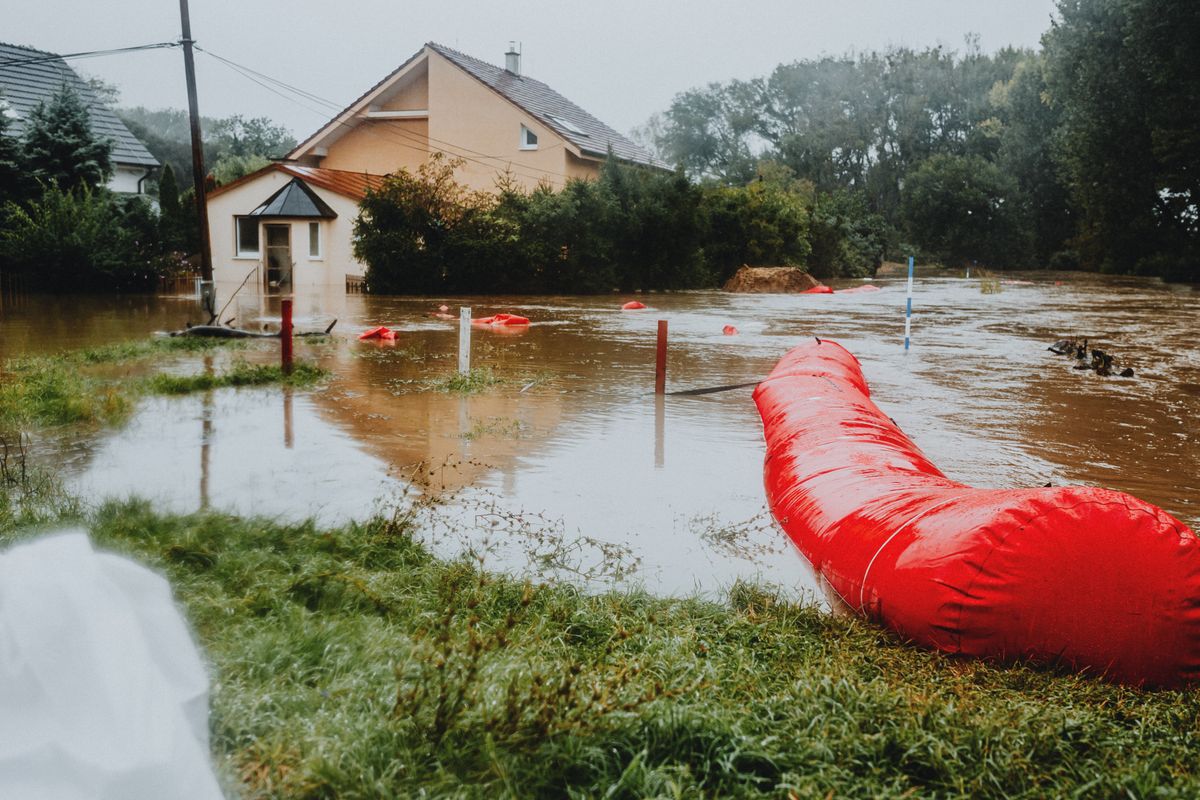
- Flood is different. Water entering from outside at ground level is flood, not backup, and needs flood insurance.
Step 1: Estimate What a Backup Would Cost You
Rather than relying on someone else's averages, build your own estimate, because costs depend heavily on local labor, the size of the basement and how it is finished:
- Measure the finished area and list what is there: flooring, drywall, insulation, cabinetry, bathroom fixtures, HVAC equipment, water heater, washer and dryer.
- Get written estimates from one or two local water-damage restoration companies and a general contractor for cleanup, drying, sanitizing, demolition and rebuilding.
- Inventory contents stored in the basement, with photos and approximate replacement costs.
- Add temporary costs such as staying elsewhere if the home becomes unlivable; check whether your policy's loss-of-use coverage applies to a backup claim.
Compare the total with your endorsement limit. The difference, plus your deductible, is roughly what you would pay yourself.
Step 2: Understand Deductibles and Depreciation
The NAIC explains that the deductible is the amount you pay on each claim, and that a higher deductible lowers your premium. It also explains the choice between replacement cost — the amount to repair or replace with similar materials without deducting for depreciation — and actual cash value, which is replacement cost minus depreciation. If contents in your basement are insured at actual cash value, older items such as electronics and furniture may pay far less than the cost of new ones. Check which basis applies to the dwelling and to contents, and whether the endorsement follows the same basis.
Step 3: Choose a Limit
Insurers commonly offer backup endorsements in several limit options. When choosing:
- Start from your own estimate in Step 1, not from the lowest available option.
- Ask what each higher limit costs per year; the additional premium for a higher limit is often modest compared with the extra coverage.
- Ask whether the limit is per occurrence or per policy year.
- Ask what the endorsement excludes — for example, damage caused by flooding or by your failure to maintain a sump pump.
Step 4: Reduce the Chance of a Backup
- Backwater valve: a plumber can install a valve that helps prevent sewage from flowing back into the house; check local permit rules.
- Sump pump maintenance: test it regularly; consider a battery backup or second pump for power outages.
- Drain care: do not pour grease down drains or flush wipes, which can clog lines.
- Tree roots: have the sewer lateral inspected if trees are near the line.
- Storage: keep valuables off the basement floor in waterproof containers.
Some insurers offer discounts for backwater valves or monitored sump systems; ask.
If a Backup Happens
- Stay safe: sewage is a health hazard. Avoid contact, ventilate, and turn off power to the affected area if safe.
- Document the damage with photos and video.
- Notify your insurer promptly and ask what is covered under the endorsement.
- Prevent further damage and keep receipts for emergency work.
- Keep damaged items until the adjuster inspects them, unless they pose a health risk.
Questions to Ask Your Agent
| Question | Why it matters |
|---|---|
| Do I have water backup coverage, and what is the limit? | Many policies exclude backup without an endorsement |
| What do higher limits cost? | Lets you match the limit to your estimate |
| Which deductible applies? | Affects your out-of-pocket cost |
| Replacement cost or actual cash value? | Determines payouts for older contents |
| Do I need flood insurance? | Flood is excluded from homeowners policies |
Finished Basements Raise the Stakes
An unfinished basement with a concrete floor can often be cleaned and dried at modest cost. A finished basement with carpet, drywall, built-in cabinets, a bathroom and a home office is a different story: wet materials usually have to be removed and replaced, and contents such as furniture and electronics are often total losses after contact with sewage. If you finish a basement or move valuable items into it, revisit your backup limit at the same time, and keep receipts and photos of the work for your records.
Coordinating Backup and Flood Coverage
Because backup and flood are separate perils, a single storm can cause both: surface water entering through a window well (flood) while the sewer line overflows through a floor drain (backup). Owners in flood-prone areas sometimes carry both a backup endorsement and a separate flood policy so that neither cause is left uncovered. Ask your agent how a combined event would be handled and which deductible applies to each part.
Frequently Asked Questions
Is sewer backup the same as flood?
No. Backup comes through your plumbing; flood is water entering from outside. Homeowners policies exclude flood, which requires separate coverage.
Will my homeowners policy cover a backup without an endorsement?
Often not. Check your policy's water exclusions and ask your agent.
How do I know what limit I need?
Estimate cleanup, rebuilding and contents replacement for your basement using local quotes, and choose a limit close to that total.
Does the city pay if the municipal sewer backs up?
Sometimes, depending on local law and whether the city was negligent. Report the backup to the utility and ask about its claims process.
Key Takeaways
- Backup coverage is usually an endorsement with its own limit.
- Estimate your own basement's repair and contents costs with local quotes.
- Check the deductible and whether contents are paid at replacement cost or actual cash value.
- Prevention — backwater valves and sump maintenance — reduces the risk.
Sources and References
- National Association of Insurance Commissioners, Homeowners Insurance — flood exclusion, deductibles, replacement cost vs actual cash value (read October 9, 2026).
Disclaimer
This article is general information, not financial, tax or legal advice. Rules, rates and eligibility change and depend on where a reader lives and on their own situation. Figures here are illustrative; confirm current terms with the provider or agency involved, and consult a licensed professional before acting on a decision that carries real money.