Is Your Fatigue More Than Just Tiredness? 10 Signs of Vitamin D Deficiency You Shouldn't Ignore
Did you know that nearly one billion people worldwide suffer from vitamin D deficiency or insufficiency? It is often called the "sunshine vitamin," yet a vast majority of the modern population remains chronically low. Because this nutrient acts more like a hormone than a simple vitamin, its absence can trigger a domino effect of health issues throughout your entire body.
If you find yourself constantly fatigued, catching every cold that goes around, or dealing with unexplainable aches, it might not be stress or a lack of sleep. It could be your body signaling a critical lack of vitamin D. In this comprehensive guide, we will break down the ten most prominent signs of deficiency, how to test for it, and how you can reclaim your vitality.

1. Persistent Fatigue and Daytime Exhaustion
Many people blame their low energy levels on hectic work schedules or poor sleep hygiene. However, severe fatigue is one of the most common clinical indicators of vitamin D deficiency. When your serum levels are low, your mitochondria—the powerhouses of your cells—cannot function at their peak capacity.
Research published in the Journal of General Internal Medicine highlights that patients with low vitamin D levels often report significant improvements in daytime energy after starting a supplementation regimen. If you are drinking coffee to survive the day despite getting seven to eight hours of sleep, it is time to look deeper.

2. Frequent Infections and Weakened Immunity
Vitamin D is a primary player in modulating your immune response. It helps your body produce antimicrobial peptides that act as natural antibiotics against viruses and bacteria. When your levels drop, your first line of defense is compromised.
Studies consistently show a strong correlation between low vitamin D levels and increased susceptibility to respiratory infections, including the flu and common colds. If you seem to be sick more often than your peers, your immune system may be struggling without the necessary hormonal support from vitamin D.

3. Bone Pain and Lower Back Discomfort
Because vitamin D is essential for calcium absorption, a deficiency directly affects your skeletal integrity. While advanced deficiency leads to diseases like rickets or osteomalacia, early warning signs often manifest as deep, aching bone pain.
Many adults describe this as a dull, constant ache in the lower back or legs. Unlike muscle soreness from a workout, this pain feels like it resides deep inside the bone marrow. If you notice persistent discomfort that doesn’t respond to standard stretching or rest, you should consider a blood test.
4. Poor Wound Healing and Skin Health
Have you noticed that your cuts or scrapes take longer than usual to close and heal? Vitamin D plays a vital role in the production of compounds that are essential for forming new skin as part of the wound-healing process. It also helps manage inflammation.
Additionally, some research indicates that low levels may be linked to certain skin conditions, including psoriasis. By regulating immune function in the skin, adequate vitamin D levels support the barrier function that keeps your skin healthy and resilient against external irritants.

5. Depressed Mood and Seasonal Affective Disorder
The connection between vitamin D and mental health is profound. Vitamin D receptors are found throughout the brain, particularly in areas associated with depression. Studies have suggested that during the winter months, the lack of sun-induced vitamin D contributes to Seasonal Affective Disorder (SAD).
Improving vitamin D status has been shown in various clinical trials to alleviate symptoms of low mood and mild anxiety. It is not a cure-all for clinical depression, but it is a fundamental pillar of neurological health that should never be overlooked during a mental health assessment.

6. Muscle Weakness and Frequent Cramps
Vitamin D is required for muscle contraction and proper nerve signaling. When your levels are insufficient, you might experience muscle weakness, tremors, or persistent cramps, even if you are an active individual. This is particularly common in elderly populations, leading to an increased risk of falls.
Even among younger, active adults, low vitamin D is often the silent culprit behind poor exercise recovery times. If your strength gains have plateaued or you find your limbs feeling "heavy" despite regular training, testing your levels could be the breakthrough you need.

7. Understanding the Causes of Deficiency
Identifying the symptoms is only half the battle. To treat the root cause, you must understand why you are deficient in the first place. For most people, it is a combination of modern lifestyle factors and geographic limitations.
Geography and Seasonal Changes
If you live at a latitude above 37 degrees, the sun's rays are often not strong enough during the winter months to trigger vitamin D synthesis in the skin. Even in the summer, cloud cover, air pollution, and wearing sunscreen can block the necessary UVB radiation.
Dietary Limitations
Very few foods naturally contain significant amounts of vitamin D. Unless you are regularly eating wild-caught fatty fish or consuming high-quality fortified dairy, it is nearly impossible to meet your daily needs through diet alone.

8. Vitamin D Sources: A Comparison
To help you better navigate your intake, the following table compares different methods of acquiring vitamin D.
| Source | Efficiency | Pros | Cons |
|---|---|---|---|
| Sunlight | High | Natural, free, immediate | UV damage risk, seasonal limits |
| Fatty Fish | Moderate | Nutrient-dense, heart-healthy | Mercury risks, higher cost |
| Fortified Foods | Low | Easy to access | Often highly processed |
| Supplements | High | Precise dosage, consistent | Requires doctor supervision |

9. How to Get Tested and Interpret Your Results
The only way to know your status for certain is by requesting a 25-hydroxy vitamin D blood test from your healthcare provider. Home test kits are available, but clinical lab work is the gold standard for accuracy.
- Deficient: Levels below 20 ng/mL (50 nmol/L).
- Insufficient: Levels between 20 and 30 ng/mL (50-75 nmol/L).
- Optimal: Most functional medicine experts recommend keeping levels between 40 and 60 ng/mL (100-150 nmol/L).

10. Actionable Tips to Improve Your Levels
If your results show you are low, don't panic. Vitamin D deficiency is highly treatable. Start by implementing these three steps today to support your levels:
- Prioritize Morning Sun: Try to get 10-15 minutes of direct sun exposure on your arms and legs during the peak sun hours, depending on your skin tone and UV index.
- Eat More Fatty Fish: Incorporate salmon, mackerel, or sardines into your weekly meal plan at least three times.
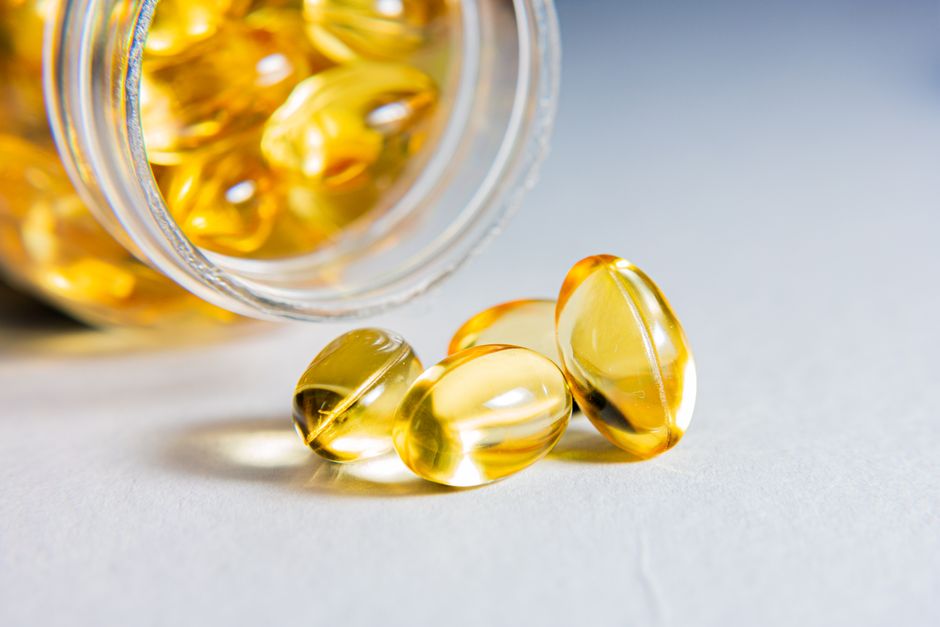
- Consult for Supplementation: Ask your doctor about a D3 supplement. Vitamin D3 (cholecalciferol) is generally more effective at raising blood levels than D2.
Frequently Asked Questions
What is the recommended daily intake of vitamin D?
The standard Recommended Dietary Allowance (RDA) is 600-800 IU daily for most adults. However, if you are currently deficient, your doctor may prescribe a much higher dose for a limited time to bring your levels back into an optimal range.
How long does it take to raise vitamin D levels?
Raising your levels is a gradual process. Typically, it takes anywhere from 2 to 8 weeks of consistent supplementation before you see significant changes in a follow-up blood test.
Can I get enough vitamin D from diet alone?
While you can obtain small amounts from foods like egg yolks and fatty fish, it is incredibly difficult to meet the recommended daily requirements through diet alone. Most people require a combination of sun exposure and strategic supplementation.
What are the risks of taking too much vitamin D?
Excessive vitamin D intake can lead to toxicity, which causes calcium buildup in the blood, resulting in nausea, vomiting, and potential kidney issues. Always follow medical guidance on dosage and never exceed the upper tolerable limit without physician oversight.
Can supplements interfere with my current medications?
Yes, vitamin D supplements can interact with certain medications, including some cholesterol-lowering drugs and seizure medications. Always check with your pharmacist or doctor to ensure there are no contraindications with your current health regimen.
Conclusion: Take Charge of Your Health Today
Recognizing the signs of vitamin D deficiency is the first step toward reclaiming your health. Whether it is lingering fatigue, weakened immunity, or bone discomfort, these symptoms are your body's way of asking for support. Do not settle for feeling less than your best; schedule a blood test, review your diet, and discuss a plan with your healthcare provider.
Small adjustments, such as increasing your intake of healthy fats or consistent supplementation, can lead to massive improvements in your overall quality of life. Start prioritizing your sunshine vitamin levels today, and watch how quickly your energy and vitality return.
Disclaimer
This article is general information, not medical advice. It cannot account for an individual's history, medications or risk factors. Anyone weighing a treatment, a test or a change in medication should speak with a qualified healthcare professional first, and treat urgent symptoms as an emergency rather than a research question.