Why Kidney Disease Is Called Silent
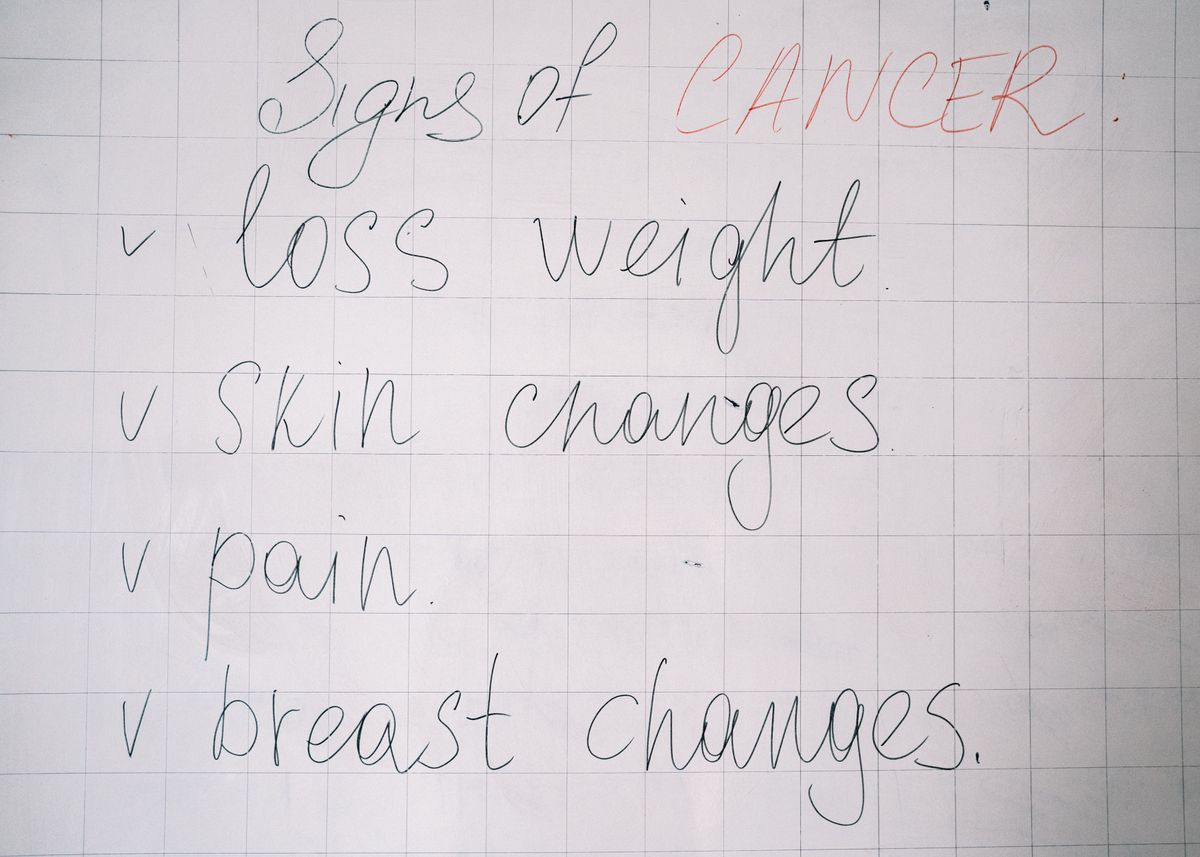
Chronic kidney disease (CKD) usually gives no clear warning in its early stages, so testing — not symptoms — is how most people find it in time to slow it down. The National Institute of Diabetes and Digestive and Kidney Diseases (NIDDK) says early kidney disease usually does not have any symptoms and that testing is the only way to know how well your kidneys are working (NIDDK, Chronic Kidney Disease Tests & Diagnosis). MedlinePlus adds that CKD slowly gets worse over months or years and that loss of function may be so gradual that symptoms do not appear until the kidneys have almost stopped working (MedlinePlus, Chronic kidney disease, review date September 2, 2025). This guide covers the signs that can appear, who should be tested, what the tests mean, and how CKD is managed.
This is general information, not a diagnosis.
Who Is at Risk
MedlinePlus says diabetes and high blood pressure are the two most common causes of CKD and account for most cases. NIDDK advises getting checked for kidney disease if you have:
- Diabetes.
- High blood pressure.
- Heart disease.
- A family history of kidney failure.
NIDDK says people with diabetes should be checked every year, and people with the other risk factors should ask their provider how often. Other causes MedlinePlus lists include autoimmune disorders such as lupus, inherited conditions such as polycystic kidney disease, kidney injury, kidney stones and infection, problems with the arteries to the kidneys, urine reflux, some toxic chemicals, and some medicines, including certain antibiotics and pain and cancer medicines.
Early Signs That Are Easy to Dismiss

MedlinePlus notes that the early symptoms of CKD are the same as for many other illnesses. They may include:
- Loss of appetite.
- A general ill feeling and fatigue.
- Headaches.
- Itching and dry skin.
- Nausea.
- Weight loss without trying.
Because each of these has common everyday explanations, they rarely lead to testing by themselves — another reason risk-based testing matters.
Signs When Kidney Function Has Worsened
As kidney function declines further, MedlinePlus lists symptoms that include abnormally dark or light skin, bone pain, drowsiness or trouble concentrating, numbness in the hands and feet, muscle twitching or cramps, breath odor, easy bruising or blood in the stool, excessive thirst, frequent hiccups, sexual problems, missed periods, shortness of breath, sleep problems, swelling in the hands and feet, and vomiting. Shortness of breath, confusion or significant swelling should be evaluated promptly.
The Two Main Tests
NIDDK describes two tests used both to diagnose and to monitor kidney disease:
- A blood test for GFR (glomerular filtration rate), which estimates how well the kidneys filter blood.
- A urine test for albumin, a protein that can pass into the urine when the kidneys are damaged.
NIDDK explains GFR results this way:
| GFR | What NIDDK says it means |
|---|---|
| 60 or more | In the normal range |
| Less than 60 | May mean kidney disease |
| 15 or less | Kidney failure; most people need dialysis or a transplant |
MedlinePlus adds that a urinalysis may show protein or other changes months to years before symptoms appear, and that other tests — blood counts, electrolytes, imaging of the kidneys and sometimes a biopsy — help find the cause. Ask your insurer whether these tests are covered as part of routine care for diabetes or high blood pressure, and ask the lab for a price if you are paying yourself.
How CKD Is Managed
MedlinePlus says there is no cure for CKD, but treatment can slow damage. Key points from its treatment section:
- Blood pressure control slows further damage; ACE inhibitors or ARBs are used most often, and your provider will set your target.
- Blood sugar control for people with diabetes.
- Lifestyle: not smoking, meals low in fat and cholesterol, regular exercise after talking with your provider, and avoiding too much salt or potassium.
- Medicine safety: talk to your provider before taking any over-the-counter medicine, vitamin, herb or supplement, and make sure every provider knows you have CKD.
- Treating complications such as anemia and high phosphorus, sometimes with a special diet.
- Vaccinations, including hepatitis A and B, flu, pneumococcal and COVID-19 vaccines.

Possible Complications
MedlinePlus lists complications that include anemia, bone and muscle pain, nerve damage in the arms and legs, heart and blood vessel problems, high potassium and phosphorus levels, fluid around the lungs and, in later stages, kidney failure requiring dialysis or a transplant. It notes that many people are not diagnosed until they have lost most of their kidney function, which is the strongest argument for testing early.
Questions to Ask Your Provider
- What are my GFR and urine albumin results, and how have they changed?
- How often should I be tested?
- What blood pressure and blood sugar targets should I aim for?
- Do any of my medicines need adjusting for my kidneys?
- Should I see a kidney specialist or dietitian?
Protecting Your Kidneys Day to Day
The same habits that help the heart help the kidneys. Keeping blood pressure and blood sugar in the ranges your provider recommends is the most important step for most people. Others include not smoking, staying active, limiting salt, and keeping a healthy weight. MedlinePlus advises checking with your provider before taking over-the-counter medicines, vitamins, herbs or supplements, since some can affect the kidneys or build up when kidney function is reduced.
Keep a list of all your medicines and show it at every appointment and pharmacy visit, so doses can be adjusted for your kidney function where needed. If you are having imaging with contrast dye or a procedure, tell the team you have kidney disease.
Preparing for Appointments
Bring your recent test results, a record of home blood pressure readings if you take them, and a list of questions. Ask what your GFR and urine albumin results mean, whether they have changed since last time, and what your targets are. If your provider suggests a kidney specialist or a dietitian, ask what each will help with. Family members can benefit from knowing your diagnosis too, because a family history of kidney failure is a reason for them to be tested.
Frequently Asked Questions
Can you have kidney disease and feel fine?
Yes. NIDDK says early kidney disease usually has no symptoms.
What is the most important test?
NIDDK describes two: a blood test for GFR and a urine test for albumin.
Can kidney damage be reversed?
MedlinePlus says there is no cure for CKD, but controlling blood pressure and blood sugar can slow further damage.
Are pain relievers safe with CKD?
Some medicines can harm the kidneys. MedlinePlus advises talking to your provider before taking any over-the-counter medicine.
Key Takeaways
- Early CKD usually has no symptoms; testing finds it.
- Diabetes and high blood pressure cause most cases.
- GFR blood tests and urine albumin tests diagnose and monitor CKD.
- Blood pressure and blood sugar control slow kidney damage.
Sources and References
- National Institute of Diabetes and Digestive and Kidney Diseases, Chronic Kidney Disease Tests & Diagnosis — GFR 60 or more normal, less than 60 may mean kidney disease, 15 or less kidney failure (read October 9, 2026).
- MedlinePlus (U.S. National Library of Medicine), Chronic kidney disease (review date September 2, 2025; read October 9, 2026).
Disclaimer
This article is general information, not medical advice. It cannot account for an individual's history, medications or risk factors. Anyone weighing a treatment, a test or a change in medication should speak with a qualified healthcare professional first, and treat urgent symptoms as an emergency rather than a research question.