Early Signs of Dementia Checklist Overview
Dementia is not a normal part of aging, and early signs are worth taking to a doctor because some causes of memory problems can be treated. The U.S. National Institute on Aging (NIA) defines dementia as the loss of thinking, remembering and reasoning to such an extent that it interferes with daily life and activities, and notes that many people live into their 90s and beyond without any signs of it (NIA, What Is Dementia? Symptoms, Types, and Diagnosis, content reviewed December 8, 2022). NIA also points out that tumors, vitamin deficiencies, medication side effects, and thyroid, kidney or liver problems can cause serious memory problems that resemble dementia, and that some causes can be halted or reversed with treatment. This checklist uses NIA's list of signs and explains what a medical evaluation involves and how Medicare covers it.
The Checklist: Signs NIA Lists
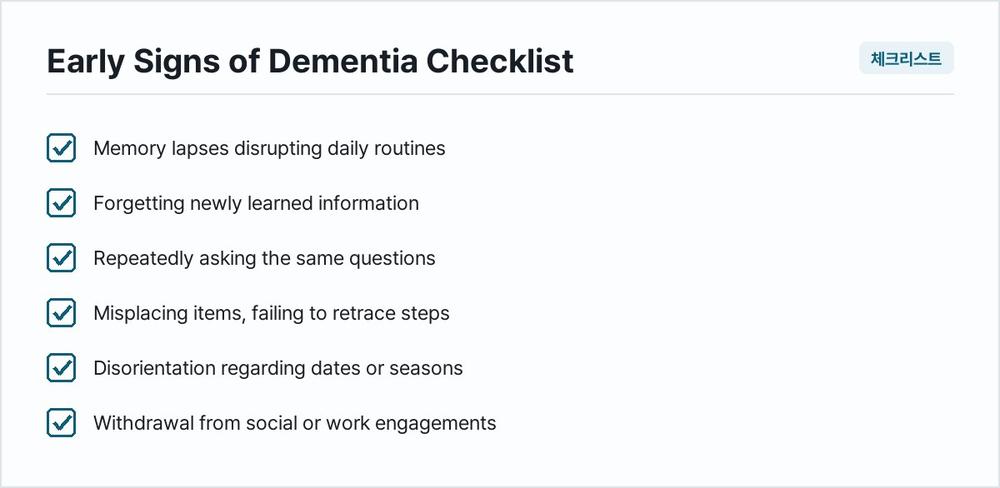
According to NIA, the signs and symptoms vary depending on the type of dementia and may include:
- Memory loss, poor judgment and confusion
- Difficulty speaking, understanding and expressing thoughts, or reading and writing
- Wandering and getting lost in a familiar neighborhood
- Trouble handling money responsibly and paying bills
- Repeating questions
- Using unusual words to refer to familiar objects
- Taking longer to complete normal daily tasks
- Losing interest in normal daily activities or events
- Hallucinating or experiencing delusions or paranoia
- Acting impulsively
- Not caring about other people's feelings
- Losing balance and problems with movement
- Emotional problems, such as stress, anxiety and depression
One sign on its own, especially an occasional lapse such as misplacing keys, is not a diagnosis. What matters is a pattern that is new, getting worse, and affecting daily life. Writing down what you notice, with dates and examples, is the most useful thing to bring to an appointment.

Normal Aging or Something More?
| Often part of normal aging | Worth raising with a doctor |
|---|---|
| Occasionally forgetting a name and remembering it later | Repeating the same question in one conversation |
| Misplacing items now and then | Getting lost in a familiar neighborhood |
| Taking a little longer to learn new technology | New trouble managing bills or money |
| Occasional word-finding pauses | Using unusual words for familiar objects |
| Feeling tired of some activities | Losing interest in daily activities, with personality or mood changes |
How Do Doctors Evaluate Memory Problems?
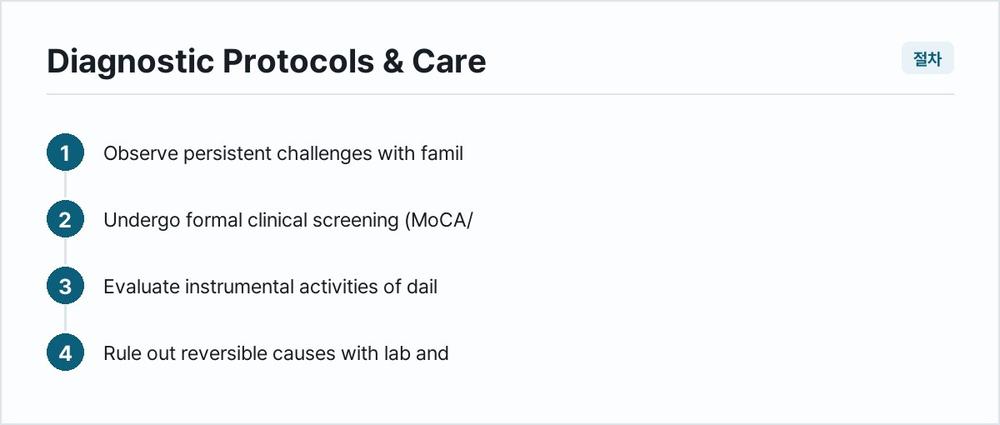
NIA describes a step-by-step process. Doctors first look for underlying, potentially treatable conditions, using a physical exam and laboratory tests of blood and other fluids to check chemicals, hormones and vitamins. They review medical and family history, including how and when symptoms began, changes in behavior and personality, and medicines that might cause or worsen symptoms. Other parts of an evaluation can include:
- Cognitive and neurological tests of memory, problem solving, language and math skills, as well as balance, sensory response and reflexes.
- Brain scans such as CT, MRI or PET, which can identify strokes, tumors and other problems.
- Psychiatric evaluation, if mood or behavior changes suggest depression or another condition contributing to symptoms.
- Cerebrospinal fluid and blood tests, which may help in diagnosing Alzheimer's or other types; NIA notes blood test results alone should not be used to diagnose dementia and that availability is still limited.
- Genetic tests in rare cases, with genetic counseling before and after.
How Much Do Dementia Evaluations Cost, and What Does Medicare Cover?
Costs depend on which tests are needed, where they are done and your insurance, so ask the provider for an estimate before each test. For people with Medicare, Medicare.gov says Part B covers a separate visit with a health care provider to fully review cognitive function, establish or confirm a diagnosis like dementia or Alzheimer's disease, and develop a care plan; a cognitive assessment can also happen during other visits, including the yearly Wellness visit. After the Part B deductible, you pay 20% of the Medicare-approved amount (Medicare.gov, Cognitive assessment & care plan services, read October 9, 2026). Medicare.gov also suggests asking the doctor how much each test or service will cost and why it is recommended, since some services may not be covered or may be offered more often than Medicare pays for.
Private insurance and Medicare Advantage plans set their own rules, often requiring referrals or prior authorization for scans and specialist visits. Call the plan before booking and ask what is covered and what you will owe.
What Are the Main Types of Dementia?
NIA lists several types, including Alzheimer's disease, frontotemporal dementia, Lewy body dementia and vascular dementia, and notes that many people have more than one type at the same time, called mixed dementia. Symptoms overlap, which is one reason an accurate diagnosis needs a full evaluation rather than a checklist.
Preparing for the Appointment
- List the changes you have noticed, with dates and examples.
- Bring a full list of medicines and supplements, including doses.
- Note other health conditions, recent illnesses, falls, sleep problems or mood changes.
- Bring a family member or friend who knows the person well; Medicare.gov notes you can bring someone to help listen and answer questions.
- Write down questions: what could be causing this, which tests are needed, and what happens next.
After a Diagnosis
NIA notes that early diagnosis can help with managing the condition and planning ahead, and that in the early stages people may continue with many everyday activities. Planning steps include discussing treatment options, arranging legal and financial documents while the person can take part in decisions, reviewing driving and home safety, and finding caregiver support. Medicare.gov mentions that some people living with dementia and their unpaid caregivers may be able to get extra support through the GUIDE Model program; ask the provider whether they participate.
Can Lifestyle Changes Help?
Research on preventing dementia is ongoing. Managing blood pressure, staying physically active, not smoking, protecting hearing, staying socially and mentally engaged, and getting enough sleep support overall health and are commonly recommended. Talk with a doctor about which steps fit your health, and be cautious about supplements or products advertised to prevent memory loss.
What is the most common early sign of dementia?
Memory problems are common, but early signs vary by type. NIA's list also includes poor judgment, getting lost in familiar places, trouble with money and changes in mood or behavior.
How accurate are home dementia screening checklists?
A checklist can help you decide whether to see a doctor, but it cannot diagnose dementia. Only a medical evaluation can rule out treatable causes and identify the type.
Does Medicare cover dementia diagnostic testing?
Part B covers a cognitive assessment and care plan visit; after the deductible you pay 20% of the Medicare-approved amount. Coverage for other tests depends on the test and medical need; ask before each one.
What is the difference between normal aging and dementia?
Dementia interferes with daily life and activities. Occasional forgetfulness that does not affect independence is common with age.
Can lifestyle interventions prevent cognitive decline?
Healthy habits support brain and overall health, but no single step is proven to prevent dementia. Research continues.
Key Takeaways
- Dementia is not a normal part of aging; some causes of memory problems are treatable.
- Look for a pattern of new, worsening changes that affect daily life.
- A full evaluation includes medical history, lab tests, cognitive tests and sometimes brain scans.
- Medicare Part B covers a cognitive assessment and care plan visit; you pay 20% after the deductible.
- Bring notes, a medication list and a companion to the appointment.
Sources and References
- National Institute on Aging, What Is Dementia? Symptoms, Types, and Diagnosis (content reviewed December 8, 2022; read October 9, 2026).
- Medicare.gov, Cognitive assessment & care plan services (read October 9, 2026).