Understanding the Silent Killer: 8 Early Signs of High Blood Pressure You Must Not Ignore
Did you know that nearly half of all adults in the United States have high blood pressure, yet many have no idea because the condition often lacks obvious symptoms? Often dubbed the "silent killer," hypertension works stealthily over years to damage your arteries, heart, and kidneys before you notice anything is wrong. Because it rarely presents with dramatic warning signs, waiting for "symptoms" to appear is a dangerous game.
While many people associate hypertension with sudden outbursts or severe physical pain, the reality is far more subtle. Understanding the early, often-overlooked indicators can be the difference between proactive management and a life-altering cardiovascular event. If you are concerned about your heart health, paying attention to your body’s quiet cues is the first step toward taking control.
Why Is Hypertension Called the Silent Killer?
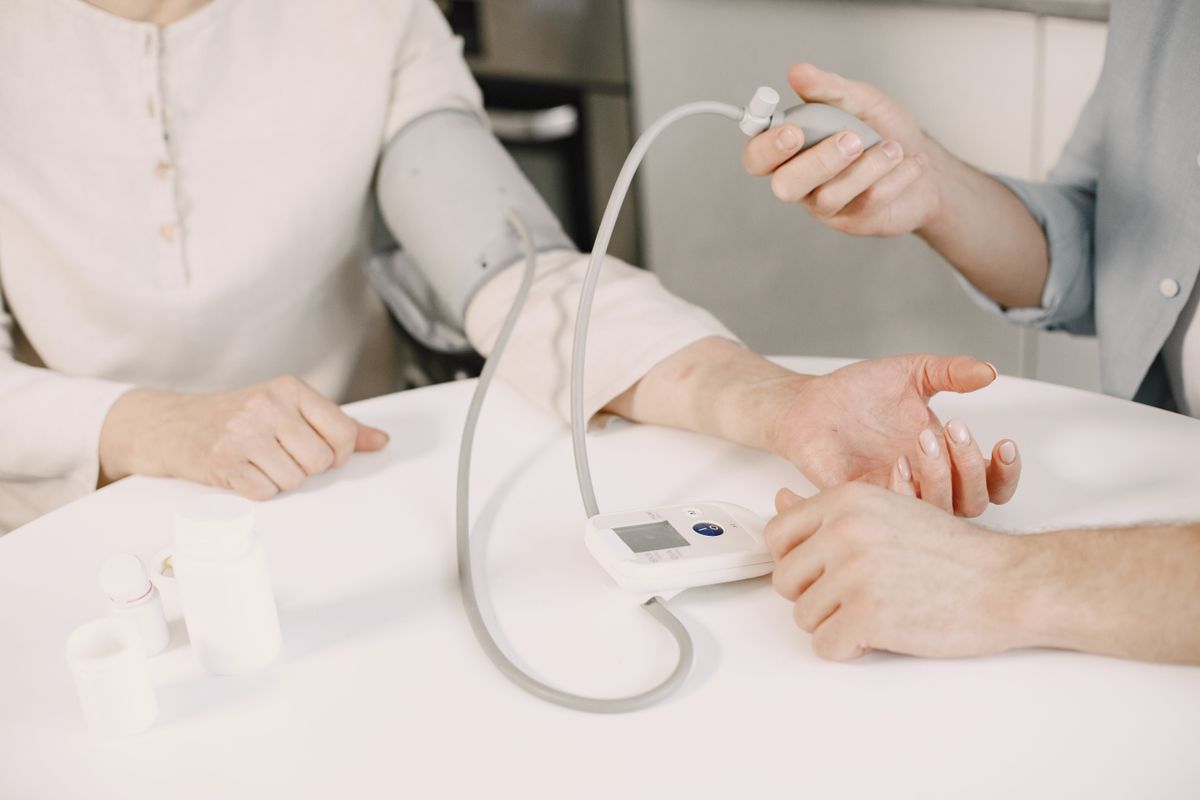
Hypertension is defined as the force of blood against your artery walls being consistently too high. According to the Centers for Disease Control and Prevention (CDC), approximately 116 million American adults suffer from this condition. The danger lies in its persistence; high pressure silently scars the inner lining of your blood vessels, creating the perfect environment for plaque buildup.
Because the body is incredibly resilient, it often compensates for increased arterial resistance for years. By the time noticeable symptoms manifest, significant damage may have already occurred. This is why medical professionals emphasize that you should never wait for symptoms to begin tracking your blood pressure numbers at home.
1. Persistent Morning Headaches and Throbbing Sensations
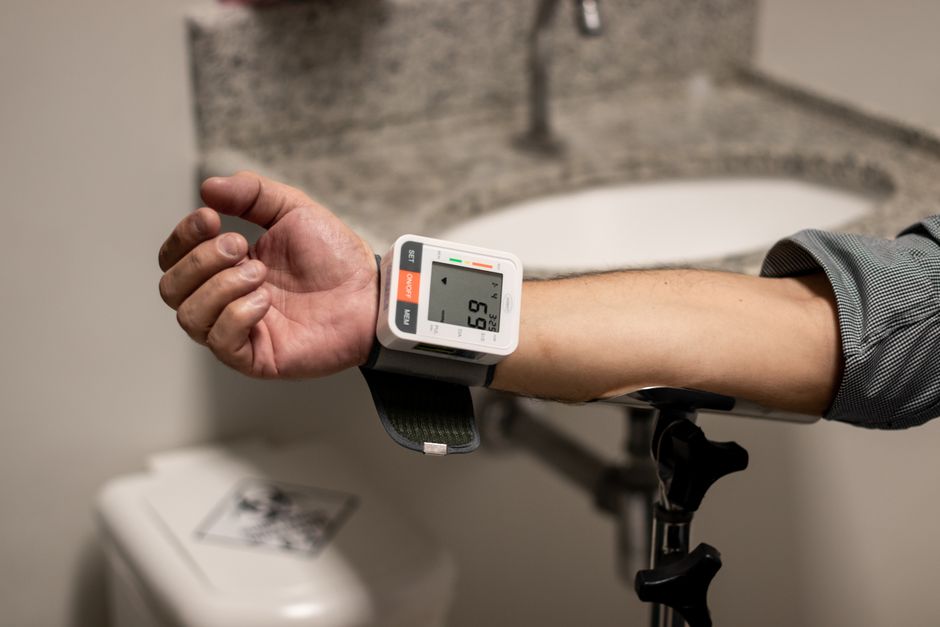
While most headaches are related to tension or dehydration, a headache triggered by high blood pressure is distinct. It is frequently described as a pulsing, throbbing sensation that feels significantly worse in the morning. This happens because blood pressure often spikes during the early hours of the day, a phenomenon known in medical circles as the "morning surge."
Recognizing the Hypertension Headache
- Pain that is localized to the back of the head or behind the eyes.
- A rhythmic throbbing that aligns with your heartbeat.
- Headaches that occur consistently upon waking for three or more days.
If you experience a sudden "thunderclap" headache that feels like the worst pain of your life, this is not a routine symptom. It could signal a hypertensive crisis, which requires immediate emergency intervention to prevent a stroke or other neurological complications.
2. Unexplained Shortness of Breath During Routine Activities
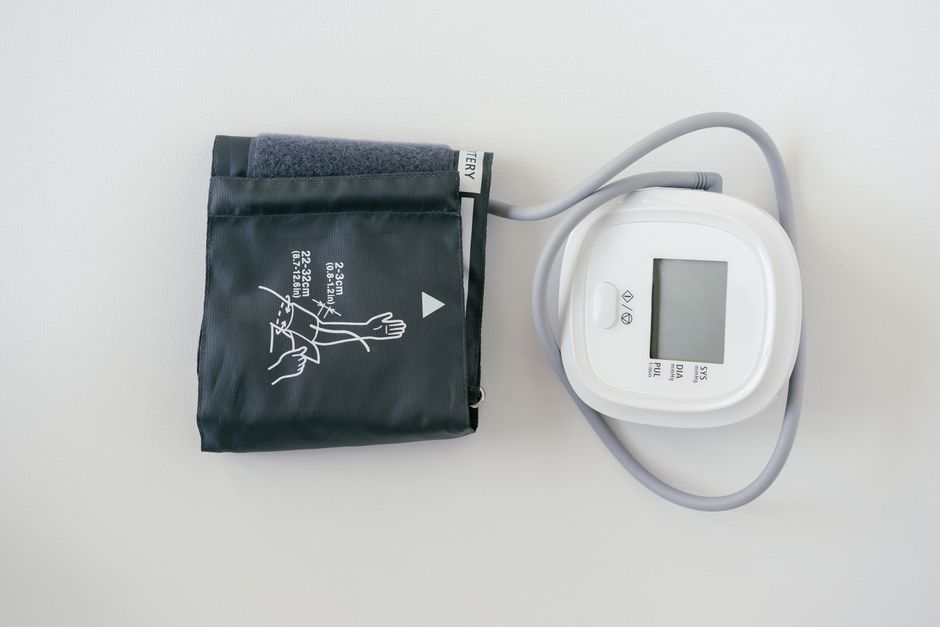
Have you noticed that simple tasks like carrying groceries or walking up a single flight of stairs now leave you winded? When your arteries have restricted blood flow due to high pressure, your heart must work significantly harder to pump blood throughout your body. Over time, this constant overexertion weakens the heart muscle.
This cardiac strain manifests as dyspnea, or shortness of breath. If you find yourself gasping for air when you aren't performing intense physical exercise, it is a significant red flag. Your cardiovascular system is essentially struggling to maintain the oxygenation levels your body requires for basic function.
3. Frequent Dizziness and Lightheadedness
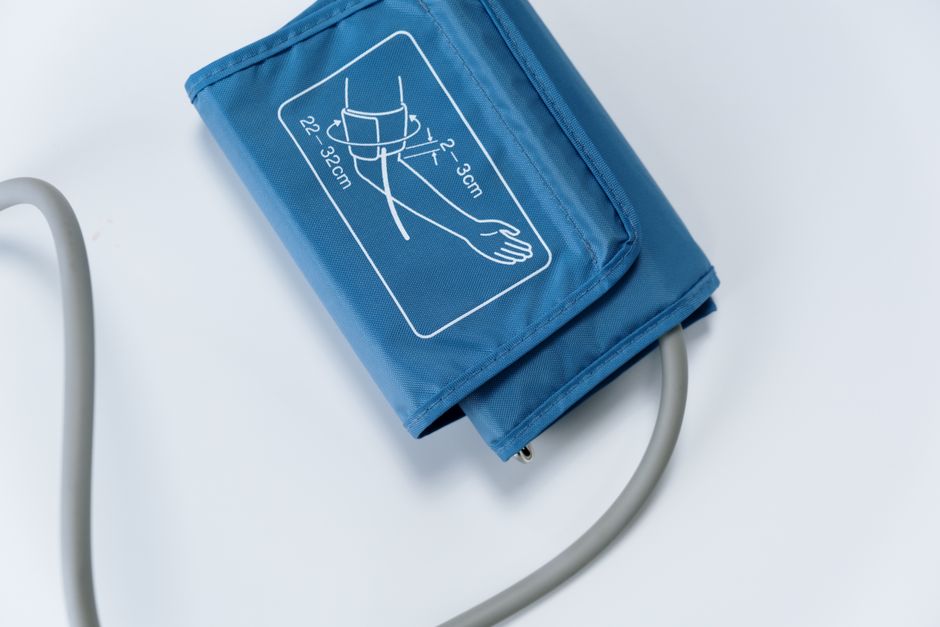
Dizziness can be caused by many factors, from low blood sugar to inner ear issues. However, if it happens frequently, it may be a symptom of a vascular system struggling to regulate pressure. When blood pressure is persistently high, it can impact the delicate circulation required for the brain and the vestibular system.
If you feel unsteady, particularly when standing up quickly, it could suggest that your blood vessels are not adjusting properly to changes in position. While often associated with low blood pressure, instability is also a symptom of heart-related circulatory issues that should never be dismissed without a professional checkup.
4. Changes in Vision and Persistent Eye Strain
The eyes are a window into the health of your blood vessels. Because the blood vessels in the retina are incredibly small and sensitive, they are often the first to show damage from long-term hypertension. If you notice blurred vision, double vision, or a persistent "cloudiness" in your sight, your arteries may be under extreme duress.
Hypertensive retinopathy is a serious condition where the high pressure causes the retinal blood vessels to narrow or leak. If you notice these visual disturbances, schedule an appointment with an ophthalmologist or primary care physician immediately. They can often detect signs of systemic health issues during a routine eye exam long before you feel physical symptoms.
5. Chest Pain and Heart Palpitations
Angina, or chest pain, is a classic warning sign of heart disease, and it is closely linked to hypertension. If your heart is not getting enough oxygen-rich blood because of narrowed arteries, it will often "protest" with a feeling of tightness, pressure, or burning in the chest.
Similarly, you may feel palpitations—the sensation that your heart is skipping a beat, fluttering, or pounding in your chest. While caffeine or stress can cause these sensations, chronic palpitations coupled with high blood pressure readings indicate an electrical or structural imbalance in the heart that requires a cardiologist's assessment.
6. Blood in the Urine and Kidney Stress
Your kidneys are heavily dependent on healthy blood vessels to filter toxins from your blood. High blood pressure is the second leading cause of kidney failure in the United States. When the vessels supplying the kidneys are damaged by high pressure, the organs cannot filter blood effectively.
Hematuria, or blood in the urine, can sometimes be a sign that the delicate filter systems within the kidneys are failing due to hypertensive damage. If you notice any discoloration in your urine, do not wait. This is a clear signal that your systemic health is being compromised and your kidneys are under significant strain.
7. Persistent Fatigue and Lack of Energy
Chronic fatigue is a symptom that most of us attribute to a busy lifestyle or lack of sleep. However, if you feel exhausted even after a full night's rest, your body might be working overtime just to maintain basic circulation. When your heart is struggling against elevated blood pressure, it consumes a large portion of your body’s available energy.
This leads to a pervasive feeling of lethargy. If your exhaustion is accompanied by an inability to focus or a general feeling of "brain fog," your blood pressure may be impairing the blood flow to your brain. Monitoring your blood pressure levels when you feel this way can provide clarity on whether the fatigue is lifestyle-related or cardiovascular.
8. Numbness or Tingling in Extremities
Your hands and feet are the furthest points from your heart, making them the first to feel the effects of poor circulation. If you experience chronic numbness or a "pins and needles" sensation in your fingers, toes, or legs, it could be a sign that blood flow is being restricted.
High blood pressure can damage the peripheral nerves by compromising the supply of blood to them. This peripheral vascular impact is often an early indicator of arterial stiffness. If you notice cold hands or feet along with this tingling sensation, discuss these symptoms with your doctor to rule out arterial narrowing.
Comparing Symptom Significance
| Symptom | Likely Cause | Action Required |
|---|---|---|
| Morning Throbbing Headache | Early Morning BP Surge | Log BP for 7 Days |
| Sudden Shortness of Breath | Heart Strain/Overwork | Immediate Medical Evaluation |
| Blurred/Cloudy Vision | Retinal Vessel Damage | Consult Ophthalmologist |
| Chest Tightness/Pain | Angina/Cardiac Stress | Emergency Care |
Actionable Tips to Lower Blood Pressure Naturally
Managing hypertension does not always start with medication; lifestyle modifications play a pivotal role. The DASH (Dietary Approaches to Stop Hypertension) diet is one of the most clinically proven methods to lower blood pressure. Focus on increasing potassium-rich foods like bananas, spinach, and sweet potatoes while drastically reducing your sodium intake.
Physical activity is equally important. Aim for 150 minutes of moderate-intensity aerobic exercise, such as brisk walking, every week. Additionally, managing stress through mindfulness, deep breathing, or meditation helps lower the cortisol levels that cause your blood vessels to constrict. Finally, if you smoke, prioritize a cessation plan immediately, as nicotine causes an immediate and sustained increase in blood pressure.
Frequently Asked Questions
What is a normal blood pressure reading?
A normal reading is generally defined as less than 120/80 mmHg. Any reading between 120–129 systolic and less than 80 diastolic is considered elevated. Readings of 130/80 or higher are officially classified as Stage 1 hypertension and warrant a conversation with your healthcare provider.
Can stress really cause high blood pressure?
Yes, chronic stress triggers the release of hormones like adrenaline and cortisol. These hormones temporarily constrict your blood vessels and increase your heart rate, which spikes blood pressure. Over time, this constant state of "fight or flight" can contribute to sustained hypertension even when you are not actively stressed.
How often should I check my blood pressure at home?
To get an accurate picture, experts recommend checking your blood pressure twice daily. Perform one reading in the morning before eating or taking medication, and one in the evening. Maintain this routine for two weeks to establish a baseline, then discuss these logs with your doctor during your next visit.
Does coffee affect my blood pressure?
Caffeine can cause a short, sharp spike in blood pressure, even in people who do not have chronic hypertension. The exact mechanism is debated, but it is believed that caffeine may block a hormone that helps keep your arteries widened. If you are highly sensitive, consider switching to decaf or limiting your intake to one cup per day.
Are there any symptoms of low blood pressure?
Yes, while the focus here is on high blood pressure, low blood pressure (hypotension) has distinct symptoms. These include dizziness, fainting, blurred vision, nausea, and difficulty concentrating, particularly when you stand up too quickly. If these symptoms are recurring, you should investigate them as thoroughly as you would high blood pressure.
Conclusion: Your Health Is Your Responsibility
The signs of high blood pressure are rarely loud or obvious. They are the subtle, quiet messages your body sends when the internal pressure becomes too great for your cardiovascular system to handle. By recognizing these eight warning signs—from morning headaches to unexplained fatigue—you can take the necessary steps to safeguard your heart health.
Do not wait for a medical emergency to change your habits. Start today by purchasing a validated home blood pressure monitor, tracking your numbers, and making small, sustainable dietary changes. Your future self will thank you for the diligence you show today. Remember, consistent management is the ultimate key to living a long, heart-healthy life.
Disclaimer
This article is general information, not medical advice. It cannot account for an individual's history, medications or risk factors. Anyone weighing a treatment, a test or a change in medication should speak with a qualified healthcare professional first, and treat urgent symptoms as an emergency rather than a research question.