The Hidden Warning Signs: 10 Early Symptoms of Neurological Disorders
Did you know that over 1 billion people worldwide suffer from some form of neurological disorder, according to the World Health Organization? Many of these conditions, if caught early, are significantly more manageable through lifestyle changes and medical intervention. However, the human brain is an expert at masking minor glitches until they become major roadblocks.
Understanding the subtle language of your nervous system is the first step toward long-term brain health. Ignoring a persistent tremor or a recurring memory lapse could mean missing the "golden window" for effective treatment. In this guide, we break down 10 early signs of neurological disorders that demand your attention.
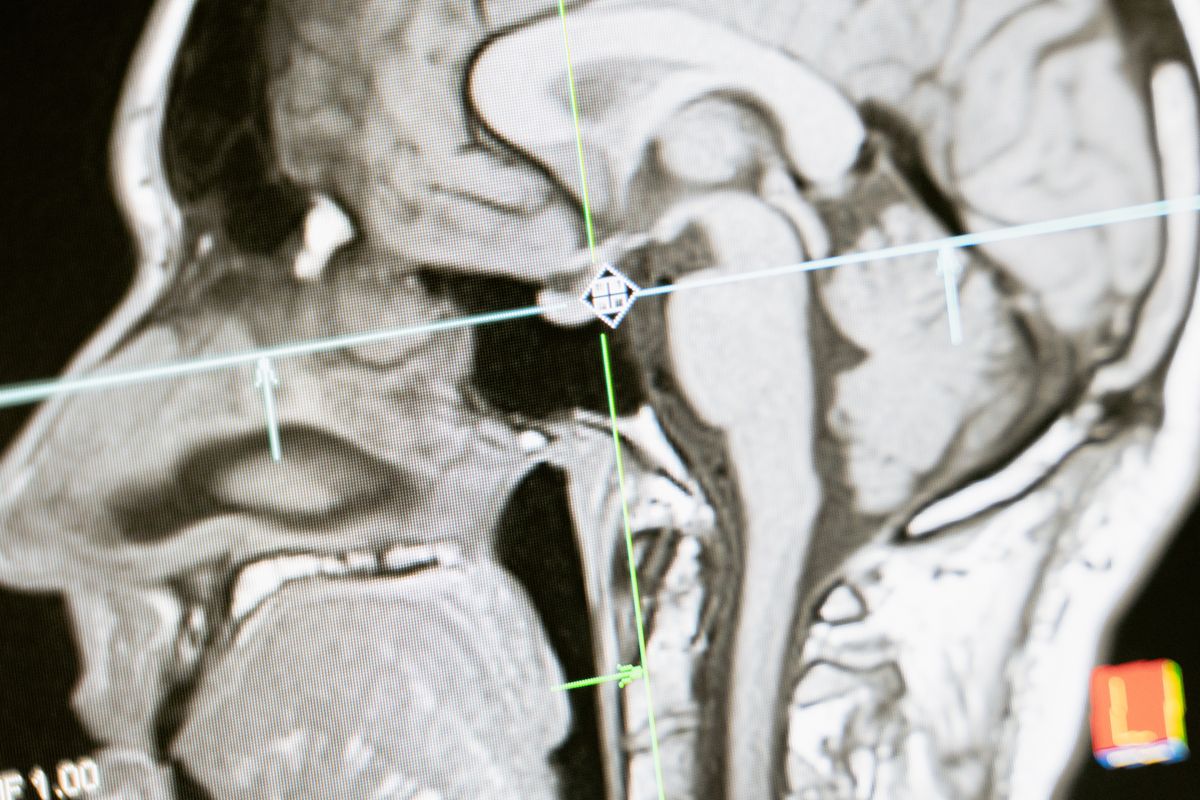
1. Chronic Memory Loss and Cognitive Decline
Occasional forgetfulness is a common byproduct of a busy life, but there is a distinct difference between misplacing your keys and losing the ability to perform routine tasks. When memory loss begins to disrupt your daily functioning, it may signal an underlying neurological issue like early-stage dementia or mild cognitive impairment.
Recognizing the Difference Between "Normal" and "Concerning"
Normal aging involves occasional lapses, like forgetting a name but remembering it later. Neurological decline, conversely, is characterized by the inability to recall recent events, confusion about time or place, and repetitive questioning. If your family notices a shift in your cognitive speed, it is time to document these instances.
Actionable Tip: Start a "symptom journal." Document the date, the specific memory lapse, and any external factors like stress or lack of sleep. Providing a concrete timeline to your doctor can significantly aid in the diagnostic process.
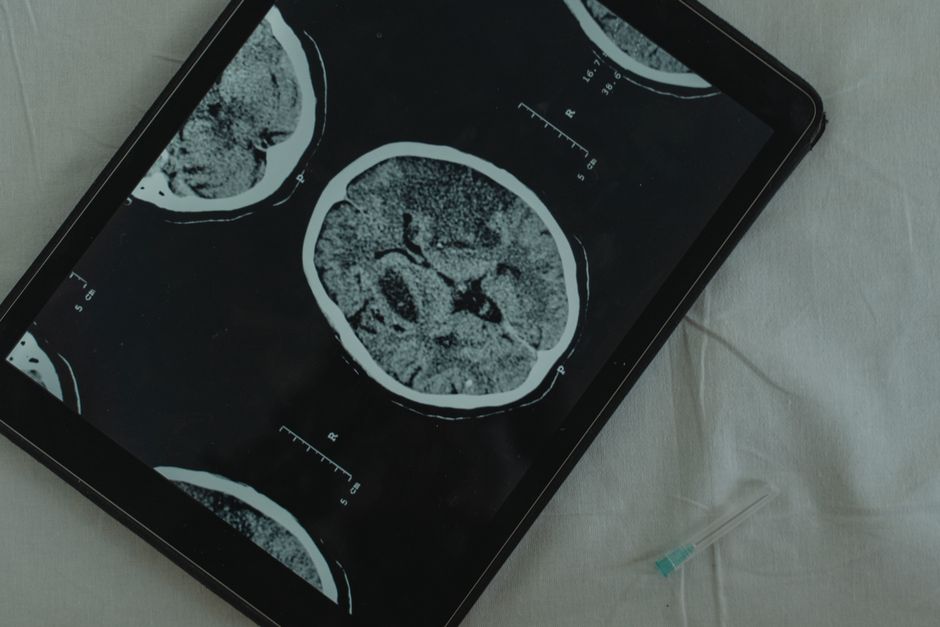
2. Persistent Tingling, Numbness, or "Pins and Needles"
Paresthesia—the formal term for tingling or numbness—is often dismissed as simply "sleeping on a limb." While posture-related numbness is temporary, persistent sensations in the hands, feet, or extremities can be an indicator of peripheral neuropathy or spinal cord compression.
When Sensations Signal Nerve Damage
Nerves act as the body’s electrical wiring. When this wiring is compromised by diabetes, inflammation, or neurodegenerative conditions, it manifests as strange buzzing, burning, or loss of sensation. If you find these feelings do not resolve after moving or stretching, they are not to be ignored.
- Unexpected weakness in the affected limb
- Sensations that migrate across the body
- Numbness that disrupts your ability to walk or grip objects
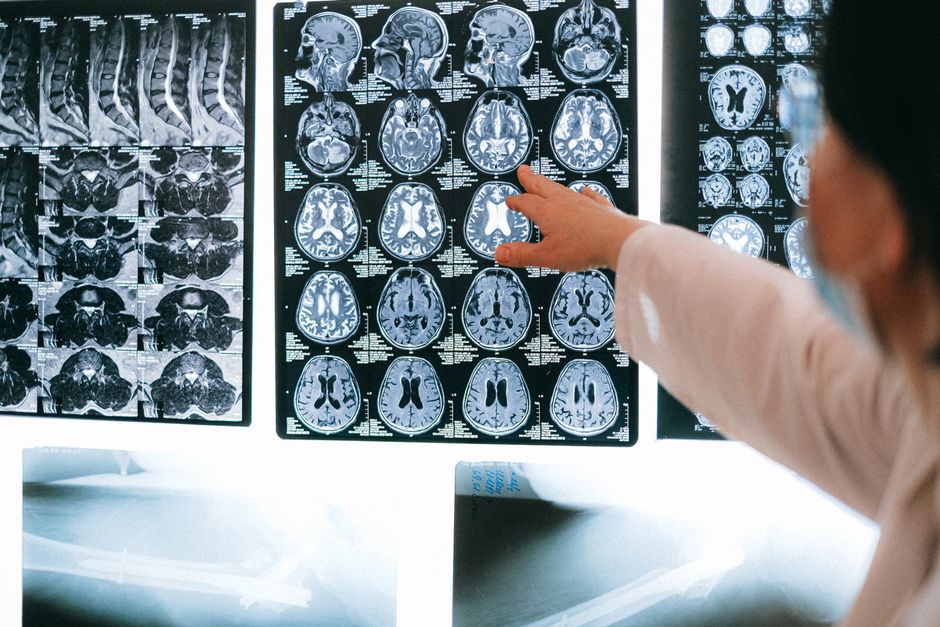
3. Unexplained Changes in Coordination and Balance
Your ability to walk in a straight line or touch your finger to your nose relies on complex communication between the brain, the cerebellum, and your peripheral nerves. A decline in balance or a sudden increase in stumbling incidents may be a hallmark of cerebellar dysfunction or even early-onset Parkinson's disease.
Gait Disturbances and Stability
If you find yourself tripping more often or feeling "lightheaded" during routine movements, the issue may be vestibular or neurological. Do not chalk this up to simply being "clumsy." Neurological screenings often look for gait abnormalities as a primary indicator of motor system health.
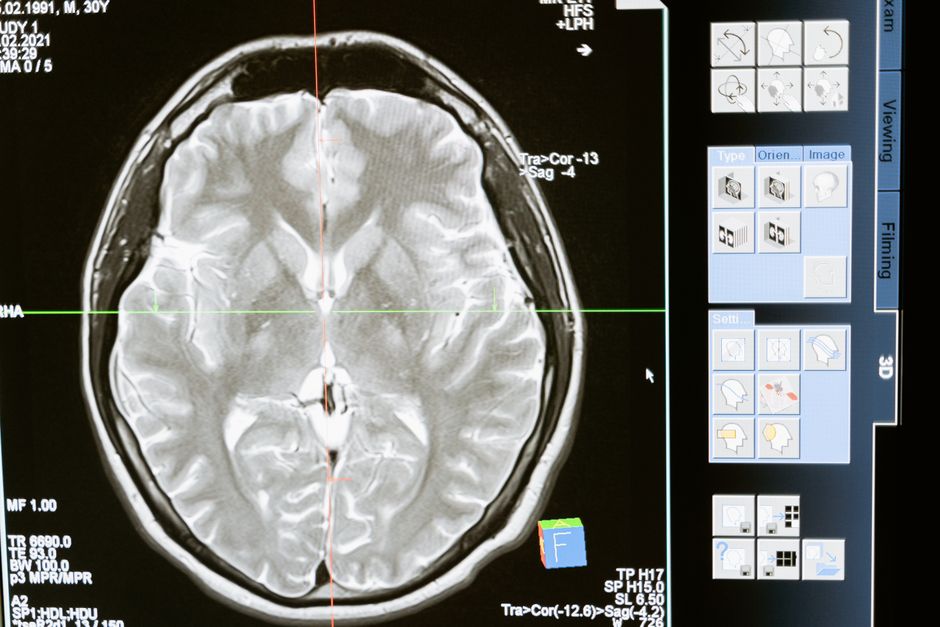
4. Sudden and Persistent Speech Difficulties
Communication is a complex neural orchestration. If you notice a sudden onset of slurred speech, difficulty finding the right words (aphasia), or a significant change in the tone and rhythm of your voice, your brain may be signaling a problem. This is particularly critical if these changes happen abruptly.
When to Seek Emergency Care: If speech difficulty occurs alongside facial drooping or weakness on one side of the body, treat it as a medical emergency. These are classic markers of a TIA (transient ischemic attack) or a stroke, where every minute saved is brain cells preserved.
5. Unexplained Muscle Weakness and Twitching
Muscle weakness that isn't the result of an intense workout is a red flag. When nerves do not stimulate muscles correctly, atrophy or involuntary twitches (fasciculations) can occur. This is often an early sign of conditions like Amyotrophic Lateral Sclerosis (ALS) or multiple sclerosis.
Differentiating Fatigue from Weakness
True neurological weakness is the inability to perform a motor task, such as opening a jar or lifting your foot. This is different from "feeling tired." If you experience a drop in grip strength or find that your legs "give out" randomly, you should schedule a neurological assessment immediately.

6. Chronic Headaches and Migraine Shifts
While most headaches are tension-related, a change in the frequency, intensity, or nature of your headaches requires investigation. New-onset headaches in adults over 50, or headaches that are persistently worse in the morning, can sometimes be linked to increased intracranial pressure or other structural neurological issues.
Actionable Tip: Note if your headaches are accompanied by "auras"—flashes of light, blind spots, or sensory changes. Tracking these patterns helps neurologists distinguish between benign primary headaches and secondary neurological symptoms.
7. Significant Alterations in Mood and Personality
The brain's frontal lobe is responsible for regulating personality and emotional response. When neurological diseases begin to affect this region, it is common to see drastic shifts in behavior, such as uncharacteristic apathy, sudden irritability, or a lack of inhibition.
Recognizing Subtle Behavioral Shifts
Loved ones often notice these changes before the individual does. If you or a family member displays a loss of interest in hobbies, significant personality changes, or erratic emotional outbursts, it may be a clinical neurological symptom rather than just "stress."
| Symptom | Possible Neurological Link | Severity Rating |
|---|---|---|
| Persistent Numbness | Peripheral Neuropathy | Moderate/High |
| Sudden Slurred Speech | Stroke or TIA | Critical |
| Loss of Balance | Cerebellar Dysfunction | High |
| Chronic Memory Lapse | Cognitive Impairment | Moderate |
| Frequent Muscle Twitching | ALS or Nerve Compression | Moderate |

8. Blurred Vision or Persistent Double Vision
Visual disturbances are not always eye-related. Because so much of the brain is dedicated to processing visual input, double vision (diplopia) or persistent blurriness can be a symptom of multiple sclerosis or cranial nerve issues. If your vision changes without a corresponding change in your prescription, a neurologist should evaluate the optic nerve pathways.
9. Difficulty with Fine Motor Skills
Can you still button your shirt, tie your shoelaces, or write as clearly as you used to? A loss of dexterity in the hands is a common early indicator of neurological disorders. This loss of fine motor control often happens so slowly that individuals compensate without realizing it.
Self-Assessment: Try the "coin test." If you struggle to pick up a coin from a flat surface or find that your handwriting has become significantly smaller or cramped over the last year, make an appointment for a physical examination.
10. Sleep Disorders and Restless Nights
Sleep is when the brain performs its "housekeeping" tasks. Persistent sleep disorders, particularly REM sleep behavior disorder, where individuals physically act out their dreams, are often a pre-clinical marker for Parkinson's disease. Chronic insomnia or sudden changes in sleep architecture should be discussed with a specialist.

Actionable Steps for Brain Health Protection
Protecting your neurological health is not just about avoiding disease; it is about proactive maintenance. Research consistently shows that a Mediterranean-style diet, rich in omega-3 fatty acids and antioxidants, supports neuroplasticity. Furthermore, consistent cardiovascular exercise increases blood flow to the brain, providing the oxygen and nutrients necessary to keep neurons firing correctly.
Mental stimulation is equally vital. Whether it is learning a new language or playing a musical instrument, "challenging" your brain forces it to create new neural pathways, which can offer a protective buffer against future decline. Finally, prioritize your sleep hygiene; 7-9 hours of quality sleep is essential for clearing metabolic waste from the brain.
Frequently Asked Questions
What are the early signs of neurological disorders?
Early signs frequently include persistent memory lapses, unexplained balance issues, tingling in limbs, and slurred speech. Personality changes and sudden motor control difficulties are also common indicators. If these symptoms are persistent or worsening, a medical evaluation is required.
How are neurological disorders diagnosed?
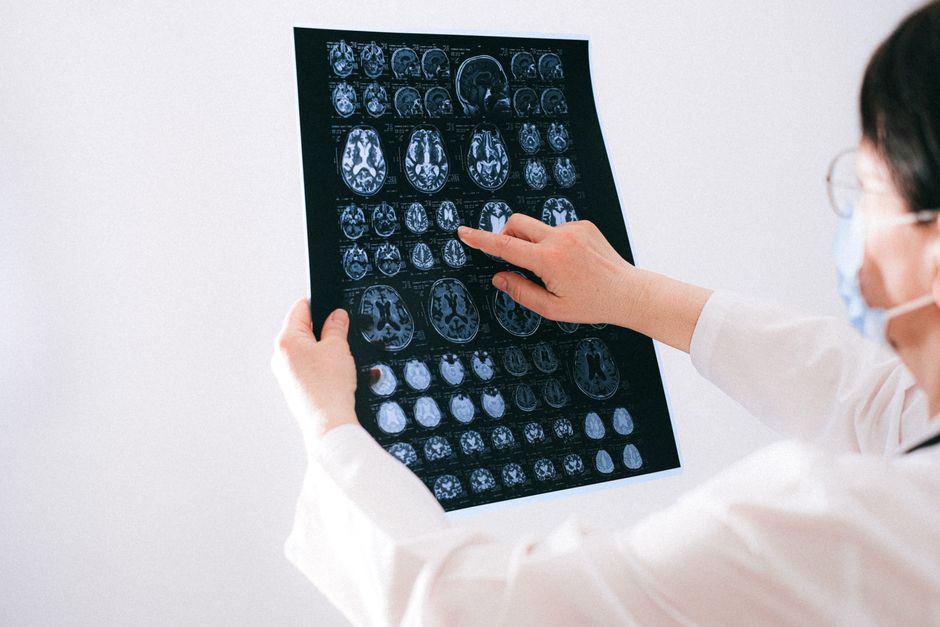
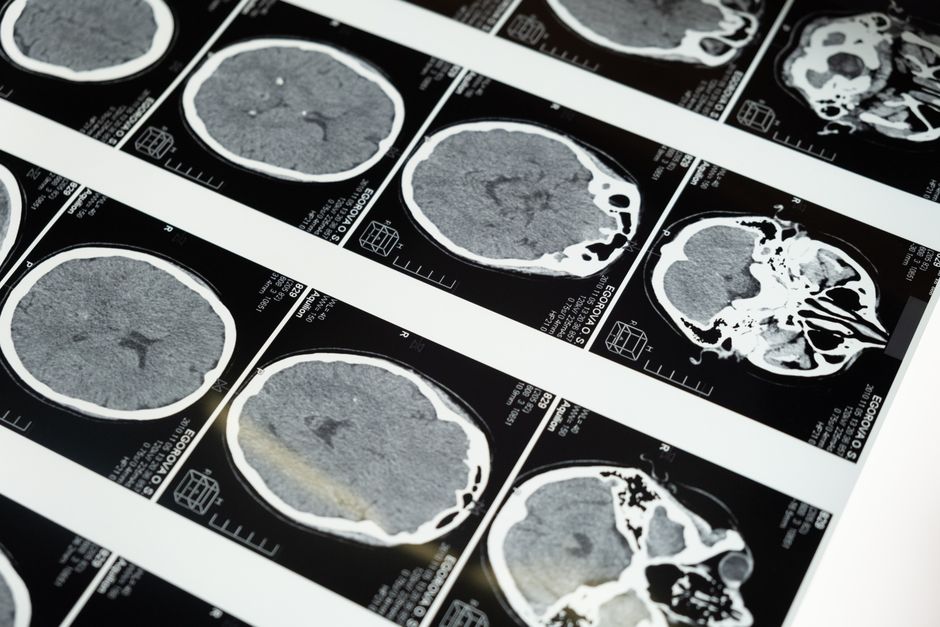
Diagnosis begins with a thorough medical history and a neurological physical exam to test reflexes and motor function. Doctors often utilize MRI or CT scans to look for structural changes, combined with blood tests or lumbar punctures to rule out inflammatory or autoimmune conditions.
What lifestyle choices contribute to neurological issues?
Sedentary behavior, chronic high-stress levels, and diets high in processed sugars can increase systemic inflammation, which negatively impacts brain health. Substance abuse, particularly alcohol, is also a significant contributor to long-term nerve and brain damage.
What treatments are available for neurological disorders?
Treatments vary significantly by condition but often include a mix of pharmaceuticals to manage symptoms, physical therapy to maintain mobility, and cognitive behavioral therapy. Modern medicine also utilizes specialized assistive devices and, in some cases, advanced surgical interventions for specific structural issues.
When should I see a doctor about my symptoms?
You should consult a physician if any of the mentioned symptoms persist for more than two weeks or interfere with your daily life. If symptoms appear suddenly, such as extreme weakness or severe confusion, seek emergency medical care immediately to rule out acute issues like stroke.
Your brain is your most vital organ—treat it with the same urgency you would treat a physical injury. By paying attention to these early warnings and acting quickly, you empower yourself to live a healthier, longer, and more cognitively vibrant life. If in doubt, always prioritize a professional consultation over self-diagnosis.
Disclaimer
This article is general information, not medical advice. It cannot account for an individual's history, medications or risk factors. Anyone weighing a treatment, a test or a change in medication should speak with a qualified healthcare professional first, and treat urgent symptoms as an emergency rather than a research question.