Why Type 2 Diabetes Is Easy to Miss
Type 2 diabetes often develops quietly: the National Institute of Diabetes and Digestive and Kidney Diseases (NIDDK) says its symptoms can develop slowly over several years, and that many people have no symptoms at all or symptoms so mild they do not notice them (NIDDK, Symptoms & Causes of Diabetes). That is why the condition is frequently found during a routine blood test or only after a complication appears. This guide lists the signs NIDDK describes, explains who should be tested even without symptoms, walks through the blood tests used to diagnose diabetes and prediabetes, and covers what to do next.
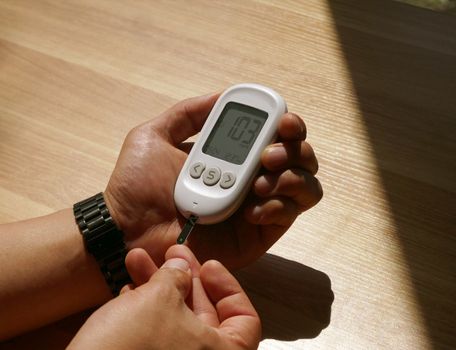
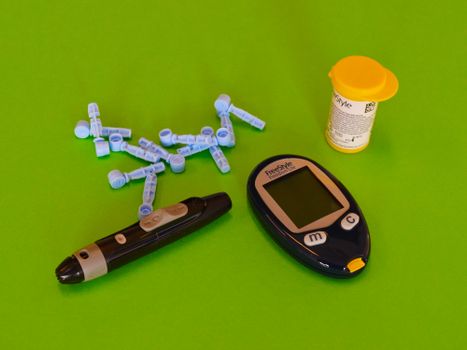
This article is general information. Only a health care professional can diagnose diabetes; NIDDK specifically warns not to try to diagnose yourself with a home glucose meter.
The Common Signs
NIDDK lists these as common symptoms of diabetes:
- Increased urination.
- Feeling very thirsty.
- Feeling very hungry, even after eating.
- Blurred vision.
- Fatigue.
- Sores that do not heal.
- Frequent infections, such as urinary tract, skin or yeast infections.
Each of these has many other possible causes, which is exactly why they are overlooked. Thirst gets blamed on hot weather, tiredness on a busy schedule, slow-healing cuts on age. The pattern matters more than any single symptom: several of these together, or one that persists, is a reason to ask for a blood test.
Signs That Appear Through Complications
NIDDK notes that some people only learn they have type 2 diabetes when they develop symptoms of health problems related to it. Those can include:
- Pain, numbness or tingling in the feet or hands.
- Sexual problems.
- Chest pain.
- Vision loss.
These signs suggest blood glucose may have been high for some time. Numbness or tingling in the feet deserves particular attention, because reduced feeling makes it easier to miss injuries.
Who Should Be Tested Even Without Symptoms
Because so many people have no symptoms, testing based on risk is the main way type 2 diabetes is found early. NIDDK says you are more likely to develop type 2 diabetes if you (NIDDK, Risk Factors for Type 2 Diabetes):
- Are age 35 or older (though children and teens can develop it too).
- Have a family history of diabetes.
- Are African American, American Indian, Asian American, Hispanic/Latino or Pacific Islander.
- Are not physically active.
- Have prediabetes.
- Have a history of gestational diabetes, or gave birth to a baby weighing 9 pounds or more.
NIDDK adds that most adults with a body mass index of 25 or higher are considered overweight and have a higher risk, with lower thresholds for Asian Americans (23) and a higher one for Pacific Islanders (26). It also describes waist size as a risk marker: more than 40 inches for men and more than 35 inches for women who are not pregnant. On its testing page, NIDDK says adults and children with normal results should be retested every three years (NIDDK, Diabetes Tests & Diagnosis).
The Blood Tests Used to Diagnose Diabetes
NIDDK describes several blood tests. Usually a second test is used to confirm a diagnosis.
- A1C test: shows your average blood glucose over roughly the past three months. You can eat and drink beforehand. The result is reported as a percentage.
- Fasting plasma glucose: measures blood glucose at one point in time after fasting at least 8 hours, usually in the morning.
- Oral glucose tolerance test: measures blood glucose after fasting and again two hours after drinking a sugary liquid.
- Random plasma glucose: can be taken at any time when someone has symptoms and the doctor does not want to wait for a fasting test.
NIDDK's table for people who are not pregnant gives these cutoffs:
| Result | A1C | Fasting plasma glucose | Oral glucose tolerance test |
|---|---|---|---|
| Normal | Below 5.7% | 99 mg/dL or below | 139 mg/dL or below |
| Prediabetes | 5.7% to 6.4% | 100 to 125 mg/dL | 140 to 199 mg/dL |
| Diabetes | 6.5% or above | 126 mg/dL or above | 200 mg/dL or above |
NIDDK notes that certain hemoglobin variants can interfere with A1C results; if A1C and glucose readings do not match, your doctor may rely on other tests. Pregnancy uses different cutoffs.
What Prediabetes Means
Prediabetes means blood glucose is higher than normal but not high enough for a diabetes diagnosis. NIDDK calls it serious because it raises the chance of developing type 2 diabetes — but also says type 2 diabetes can be prevented or delayed. It notes you may be able to change some risk factors by maintaining a healthy weight, being physically active and stopping smoking.
Paying for Testing
NIDDK notes that Medicare may cover diabetes tests if you have certain risk factors, and suggests people with other insurance ask their insurer about coverage. Prices for tests without insurance vary widely by lab and location, so ask the clinic or lab for the cash price before the test if you are paying yourself.
When to Seek Care Urgently
NIDDK describes diabetic ketoacidosis as a medical emergency. It usually affects people with type 1 diabetes but can occur in type 2 when the body does not produce enough insulin. Symptoms listed by NIDDK include pain in the abdomen, nausea or vomiting, along with signs of very high blood glucose. Seek emergency care for these symptoms.
Next Steps If You Recognize the Signs
- Write down which signs you have noticed and for how long.
- Note your risk factors, including family history and any history of gestational diabetes.
- Ask your primary care professional whether you should be tested and which test.
- If results show prediabetes or diabetes, ask about a plan for follow-up testing, nutrition, activity and, if needed, medicine.
Living Well After a Diagnosis
A diagnosis of prediabetes or type 2 diabetes is the start of a plan, not a verdict. Most people work with a primary care professional, and many also see a diabetes educator or dietitian. The plan usually covers how often to check blood glucose, what to eat, how to be more active, and whether medicine is needed. Regular follow-up visits track A1C over time and check for early signs of complications in the eyes, kidneys, feet, heart and nerves.
Small, steady changes tend to last longer than drastic ones. Examples include adding a daily walk, replacing sugary drinks with water, filling half the plate with non-starchy vegetables, and keeping regular meal times. Stopping smoking helps the heart and blood vessels, which diabetes already puts under strain. Ask your care team which changes matter most for you, and how to tell whether they are working.
Questions to Ask at Your Appointment
- Which test do you recommend for me, and do I need to fast?
- If my result is borderline, when should I be retested?
- Which of my risk factors can I change, and where should I start?
- Are there programs near me that help people with prediabetes?
- What symptoms should make me call before my next visit?
Frequently Asked Questions
Can you have type 2 diabetes without symptoms?
Yes. NIDDK says many people with type 2 diabetes have no symptoms or only mild ones.
Can a home glucose meter diagnose diabetes?
No. NIDDK says over-the-counter blood glucose meters cannot diagnose diabetes; a health care professional uses laboratory blood tests.
How often should I be tested?
NIDDK says adults and children with normal results should be retested every three years, and people with risk factors may need testing sooner.
Is prediabetes reversible?
NIDDK says developing type 2 diabetes can be prevented or delayed, including through weight management and physical activity. Ask your doctor about a plan.
Key Takeaways
- Type 2 diabetes often has no symptoms or mild ones that develop over years.
- Thirst, frequent urination, fatigue, blurred vision, slow-healing sores and infections are common signs.
- Risk-based testing finds diabetes early; the A1C, fasting glucose and glucose tolerance tests confirm it.
- Prediabetes is a chance to prevent or delay type 2 diabetes.
Sources and References
- National Institute of Diabetes and Digestive and Kidney Diseases, Symptoms & Causes of Diabetes (last reviewed October 2024; read October 9, 2026).
- NIDDK, Diabetes Tests & Diagnosis — A1C below 5.7%, 5.7% to 6.4%, 6.5% or above (last reviewed July 2022; read October 9, 2026).
- NIDDK, Risk Factors for Type 2 Diabetes (read October 9, 2026).
Disclaimer
This article is general information, not medical advice. It cannot account for an individual's history, medications or risk factors. Anyone weighing a treatment, a test or a change in medication should speak with a qualified healthcare professional first, and treat urgent symptoms as an emergency rather than a research question.