Understanding Restless Leg Syndrome: Beyond the Late-Night Tossing
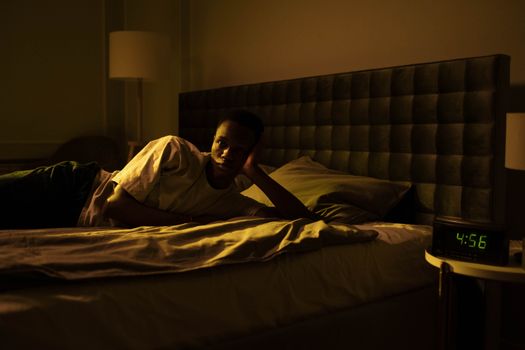
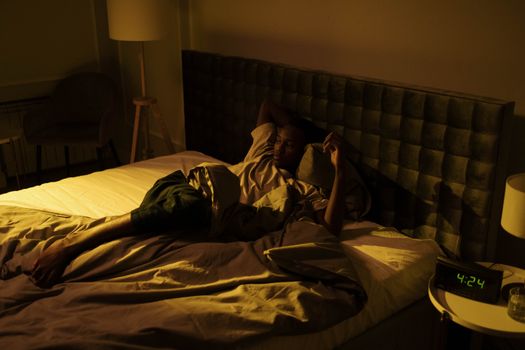
It is 2:00 AM. You are exhausted, your eyes are heavy, and you are desperate for sleep, but the moment your head hits the pillow, an uncontrollable, crawling sensation begins deep inside your calves. You kick, you stretch, and you pace the hallway, desperate for a second of stillness. If you have been experiencing these persistent sensations, you are not alone—over 12 million Americans deal with the disruptive reality of Restless Leg Syndrome (RLS) every single year.
Often dismissed as mere "growing pains" or simple anxiety, this neurological disorder is a significant physiological issue that can erode your quality of life if left unmanaged. Restless legs syndrome costs sleep rather than comfort, which is why its main effect shows up the next day as fatigue. The good news? It is treatable, and the symptoms are highly predictable once you know what to look for.
In this guide, we will walk through the subtle early signs, the underlying triggers, and the latest clinical relief options to help you reclaim your sleep. The most important takeaway is that you do not have to 'just live with it.' Chronic sleep deprivation is not just a nuisance; it is a major health risk factor that impacts your cardiovascular health and cognitive performance. If you suspect your legs are keeping you up, keep reading—we are going to break down exactly how to identify and address this condition before it gets worse.
The 8 Cardinal Symptoms of RLS: How to Identify the Patterns
Early detection of RLS is vital to preventing long-term sleep architecture disruption. While symptoms manifest differently in everyone, there is a distinct pattern that differentiates RLS from simple muscle fatigue or cramping. Recognizing these subtle shifts early on can be the difference between a manageable condition and chronic, severe insomnia.
1. The Signature "Crawling" or Creeping Sensation
This is the hallmark symptom that brings most people to a sleep clinic. It is not exactly pain, but rather an indescribable, unpleasant sensation that feels like ants crawling under your skin, or a mild electric current running through your muscles. Most patients describe this as a 'deep-seated itch' that cannot be scratched.
It usually begins after you have been sitting or lying down for 15 to 30 minutes. If you find yourself unable to relax until you move your legs, this is a major clinical red flag. The sensation is often localized deep within the calf, but it can radiate upward into the thighs or even involve the arms as the condition progresses.
2. The Nightly Escalation Cycle
RLS is notoriously circadian. Symptoms are almost always absent in the morning and early afternoon, only to peak during the evening and nighttime hours. This is why many people do not realize they have a medical condition until they are trying to wind down for bed.
If your symptoms reliably disappear as soon as you start moving in the morning, you are likely dealing with RLS rather than an injury or localized muscle strain. Keep a sleep log; if the timing follows a strict evening-to-night progression, it is time to consult a physician. Understanding your personal "symptom window" is the first step toward effective mitigation.
3. Instant Relief Through Movement
Unlike a charley horse or muscle cramp, where moving might actually cause pain or further contraction, RLS symptoms are temporarily relieved by movement. Walking, stretching, or even rhythmic leg swinging provides an almost immediate, albeit short-lived, reprieve from the discomfort.
However, the moment you return to a state of rest, the sensation returns. This "movement-relief cycle" is one of the primary diagnostic criteria used by neurologists to separate RLS from other neurological disorders or peripheral neuropathy.
4. Involuntary Limb Jerking (PLMD)
Many individuals with RLS also suffer from Periodic Limb Movement Disorder (PLMD). This involves involuntary, repetitive jerking or twitching of the legs during sleep, often occurring every 15 to 40 seconds. While the person with RLS may not be fully awake, these movements cause frequent micro-arousals that shatter sleep quality.
You may wake up feeling as though you haven't slept at all, despite spending eight hours in bed. If your partner has mentioned that you kick or twitch throughout the night, this is a strong indicator that your RLS has reached a stage where it is impacting your unconscious sleep cycle.
5. Sensory Sensitivity to Rest
The intensity of the sensation is directly tied to the level of physical inactivity. Even sitting in a movie theater, on an airplane, or during a long commute can trigger the onset of RLS symptoms. This "rest-induced activation" can be incredibly socially isolating, as it prevents individuals from participating in activities that require prolonged periods of stillness.
If you find yourself constantly shifting, crossing and uncrossing your legs, or pacing during meetings, you are likely exhibiting an early manifestation of the disorder. Recognizing these daytime triggers is crucial for long-term symptom management.
6. The Vague "Deep-Seated" Pain
While the crawling sensation is common, some patients describe a deeper, more profound ache. This is often misidentified as "growing pains" in younger individuals or arthritis in older adults. The distinction here is the urgency to move—if the ache is accompanied by an overwhelming urge to mobilize the limb, it is almost certainly RLS.
This ache often feels as though it is originating from the bone or the deepest part of the muscle tissue. It does not respond to traditional topical pain relievers, heat packs, or standard anti-inflammatory medications, as it is a neurological signal rather than a structural injury.
7. Temperature Sensitivity and Fluctuations
Surprisingly, many patients report that their RLS symptoms are exacerbated by temperature changes in the room. A room that is too warm can often trigger an episode more quickly than a cool environment. Conversely, some find that extreme cold causes their muscles to tighten, indirectly aggravating the restlessness.
Tracking your symptoms against bedroom temperature can reveal if you have this specific sensitivity. Optimizing your sleep environment to a cool, stable temperature (typically around 68 degrees Fahrenheit) can be a simple, non-pharmacological way to reduce the frequency of nightly episodes.
8. The "Urge" Beyond Physical Sensation
The most confusing aspect of RLS is the psychological component. It is an "urge" to move, not just a physical sensation. You feel a mental pressure that dictates your legs must move to satisfy the neurological feedback loop. This urge can become so intense that it results in significant anxiety, frustration, and feelings of helplessness.
Acknowledging that this urge is a physiological demand from your nervous system, rather than a lack of willpower or "jitteriness," is vital for emotional well-being. Understanding this distinction helps patients move away from self-blame and toward seeking evidence-based medical treatments.

Diagnostic Comparison: Is It RLS or Something Else?
It is common to confuse RLS with other conditions. The following table highlights the differences between RLS and similar issues to help you better communicate with your doctor during your next visit.
| Condition | Key Symptom | Effect of Movement |
|---|---|---|
| Restless Leg Syndrome | Crawling, creeping, deep urge to move. | Immediate, temporary relief. |
| Nocturnal Leg Cramps | Sharp, sudden muscle contraction/pain. | Often causes increased pain. |
| Peripheral Neuropathy | Numbness, tingling, or burning. | No significant change. |
| Venous Insufficiency | Heavy, aching legs with swelling. | Improvement with elevation. |

Underlying Biological Triggers: Why Does RLS Occur?
Modern science is still unraveling the exact etiology of RLS, but current evidence points toward a dysfunction in the brain's dopamine pathways. Dopamine is a chemical messenger that helps control muscle movement. When dopamine levels in the brain drop—which naturally happens in the evening—it may cause the involuntary movements associated with RLS.
Beyond dopamine, iron deficiency is a massive, often overlooked culprit. Iron is a crucial component in the production of dopamine. Many patients who show low ferritin levels (the protein that stores iron) see a significant reduction in RLS symptoms once their iron levels are corrected through diet or supplementation.
Secondary triggers include chronic kidney disease, pregnancy, and certain medications. Antidepressants, antihistamines, and anti-nausea drugs can all worsen RLS symptoms by blocking dopamine receptors. If you are starting a new medication, keep an eye on your leg sensations during the first few weeks.
Proven Relief Options: Lifestyle Modifications for Immediate Comfort
Before jumping straight into pharmaceutical interventions, there are several lifestyle adjustments that have proven effective for many patients. These strategies focus on stabilizing your nervous system and preparing your body for a restful state.
- Consistent Sleep Hygiene: Maintain a strict sleep-wake schedule to help regulate your circadian rhythm.
- Iron Supplementation: Always consult your doctor for a blood test to check your ferritin levels before starting iron.
- Avoid Stimulants: Reduce caffeine, alcohol, and nicotine, especially within six hours of bedtime, as these are known triggers.
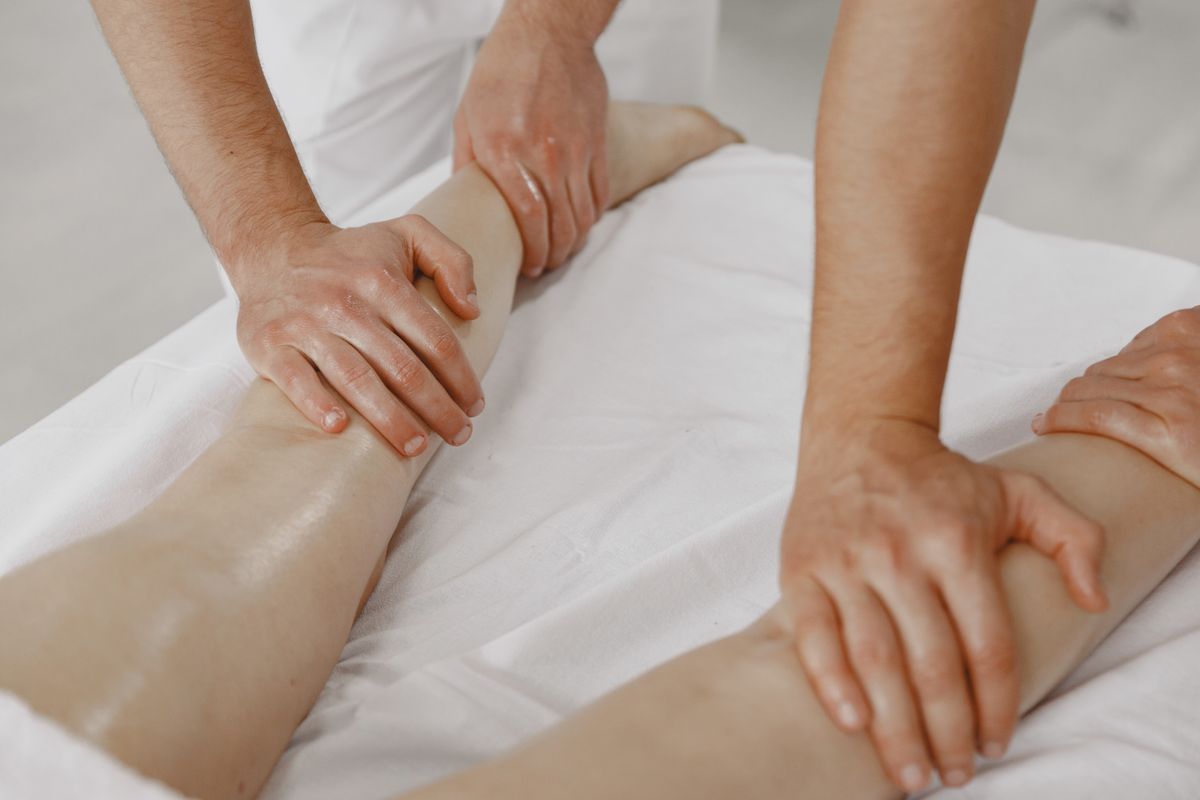
- Warm Baths and Massages: Engaging in a warm soak or a gentle leg massage before bed can relax the muscles and dampen sensory input.
- Vibration Therapy: Some patients find success using compression stockings or specialized vibration pads that provide gentle, constant stimulation.
Clinical Treatments: When Lifestyle Changes Aren't Enough
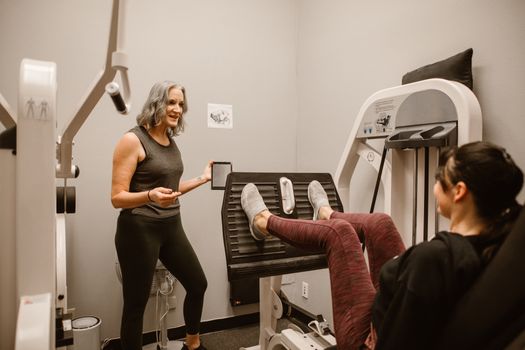
If lifestyle modifications fail to provide relief, it is time to speak with a neurologist or sleep specialist. There are FDA-approved classes of medication that can help manage symptoms by modulating dopamine receptors in the brain.
Dopamine agonists (such as pramipexole or ropinirole) were the long-standing gold standard. While highly effective, doctors are now more cautious with these due to the risk of "augmentation"—where the medication actually causes the symptoms to appear earlier or more intensely over time.
Alpha-2-delta ligands, such as gabapentin or pregabalin, are increasingly becoming the first-line treatment. These medications help calm the overactive nerve signaling that causes the "crawling" sensation. They are generally considered safer for long-term use with a lower risk of augmentation.
The Importance of a Formal Medical Evaluation
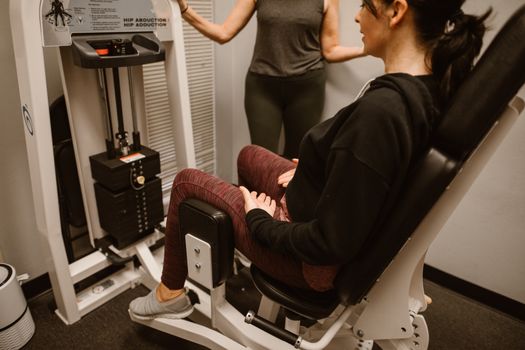
Because RLS can be a secondary symptom of other underlying conditions—like kidney disease or neuropathy—a formal medical evaluation is non-negotiable. You shouldn't just guess at your symptoms; you need a professional to rule out other medical issues.
A sleep study (polysomnography) may be ordered to observe your limb movements during the night. Additionally, routine blood work is essential to check for anemia, electrolyte imbalances, and metabolic markers. By getting a clear diagnosis, you avoid wasting years on ineffective over-the-counter remedies.

Managing the Psychological Impact of Chronic Sleep Loss
It is impossible to overstate the mental health toll of RLS. When you are sleep-deprived, your emotional regulation, cognitive function, and focus decline rapidly. Many people with RLS report higher rates of anxiety and depression, not just because of the discomfort, but because of the fear of another sleepless night.
Cognitive Behavioral Therapy (CBT) can be a powerful tool for managing the "sleep anxiety" that develops when you dread going to bed. Learning techniques to manage your stress response to the symptoms can actually help lower the intensity of the sensation itself, as stress hormones like cortisol can exacerbate nerve sensitivity.

Developing Your Long-Term Action Plan
If you have identified with the signs mentioned above, start by keeping a two-week "RLS Diary." Track what you ate, what medications you took, what time your symptoms began, and what activities you were doing when they started. This document will be the most valuable tool you can bring to your doctor's office.
Reclaim your sleep, your mood, and your productivity by acting now. RLS is a legitimate medical condition, and the modern medical community has the tools to help you find relief. Whether it is through iron supplementation, simple lifestyle changes, or targeted neurological support, you can absolutely return to a state of quiet, restful evenings.
Frequently Asked Questions About RLS Recovery
Does RLS go away on its own?
For most, RLS is a chronic condition that fluctuates in severity. While it may have periods of dormancy, it rarely disappears entirely without intervention. However, it is highly manageable.
Can exercise make RLS worse?
Moderate exercise during the day is generally beneficial and often helps reduce symptoms at night. However, excessive, intense exercise too close to bedtime may trigger a flare-up. Listen to your body and find your specific threshold for activity.
Are there natural supplements that work?
While magnesium and folate are frequently suggested, evidence is anecdotal. Some patients find relief with magnesium glycinate before bed, but this should be discussed with your physician to ensure it does not interact with other treatments.
The journey to better sleep starts with recognizing that your legs are telling you something. Listen to those signals, document your symptoms, and seek professional guidance. You deserve a good night’s rest, and with the right approach, it is fully within your reach.
Disclaimer
This article is general information, not medical advice. It cannot account for an individual's history, medications or risk factors. Anyone weighing a treatment, a test or a change in medication should speak with a qualified healthcare professional first, and treat urgent symptoms as an emergency rather than a research question.