Cyclospora Infection: What It Is
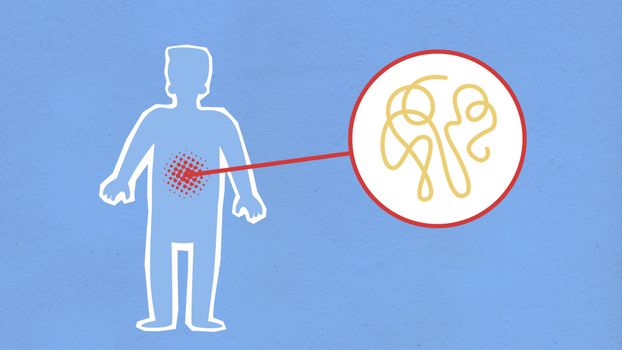
Cyclosporiasis is a foodborne intestinal infection caused by the parasite Cyclospora cayetanensis, and its hallmark is watery, sometimes explosive diarrhea. MedlinePlus, the U.S. National Library of Medicine's health site, explains that the parasite's oocysts pass in the stool of an infected person and need 1 to 2 weeks in the environment before they can infect someone else, so the illness is unlikely to spread directly from person to person (MedlinePlus, Cyclosporiasis, review date July 30, 2026). In the United States, outbreaks mostly occur in spring and summer and have been linked to contaminated fresh produce. This guide covers symptoms, how testing works, treatment, and prevention.
Symptoms
According to MedlinePlus, symptoms usually begin about 1 week after infection, but can start as early as 2 days or as late as 2 weeks after. Some people have no symptoms, which is more common where the illness is endemic. When symptoms occur, watery diarrhea is the main one, and it may be explosive. Other symptoms can include loss of appetite, weight loss, stomach cramps, bloating and gas, nausea, fatigue, and sometimes low-grade fever, body aches or vomiting.
- Watery diarrhea, often frequent.
- Stomach cramps, bloating and gas.
- Loss of appetite and weight loss.
- Nausea and fatigue.
- Symptoms that improve and then return.

How Long Does It Last?
MedlinePlus states that without treatment, the illness can last weeks to months and may return even after symptoms have improved. People with weakened immune systems may have complications and take longer to recover, although cyclosporiasis is usually not life-threatening. Prolonged diarrhea can cause poor nutrition or malabsorption and dehydration.
How Is Cyclospora Diagnosed?
MedlinePlus explains three points that matter if you suspect this infection:
- Routine stool tests do not detect Cyclospora. Your provider has to order special laboratory tests, such as special stains or molecular tests.
- More than one sample may be needed, because the parasite is not found in every stool sample.
- Give samples before taking anti-diarrhea medicines or antibiotics, which can interfere with the test.
Your provider will also ask about foods and drinks from the last week or two, recent travel, and whether others who ate the same food are ill. Mention fresh produce, salads and herbs, which have been linked to outbreaks.
Treatment
MedlinePlus says the provider will prescribe an antibiotic called trimethoprim-sulfamethoxazole (TMP-SMX), which kills the parasite and helps relieve symptoms. People allergic to sulfa drugs may be offered other options, which MedlinePlus says do not work as well. Supportive care includes:
- Rehydration or electrolyte drinks to replace fluids and minerals lost through diarrhea.
- Intravenous fluids if you cannot drink or keep fluids down, which may be more common in young children.
- Anti-diarrheal medicines such as loperamide only after talking to a provider if you have bloody diarrhea, fever or severe diarrhea; MedlinePlus advises not giving these medicines to children.
- Medicine review. If you take diuretics or ACE inhibitors for blood pressure, ask your provider whether to pause them while you have diarrhea; never stop or change medicines without talking to your provider.
Where Infection Comes From
MedlinePlus notes that U.S. outbreaks have been linked to contaminated fresh produce, and that produce can be contaminated through contaminated groundwater or irrigation water, sewage spills or leaks, and poor worker hygiene. It also states that there is no proven way to completely remove or kill Cyclospora on fresh produce, and that thorough washing, even with a sanitizing solution, will not remove it completely; cooking produce to at least 158°F (70°C) kills the parasite.
Prevention Tips
- Wash hands before preparing food and after using the bathroom.
- Wash and peel fresh fruits and vegetables under running water before eating them; MedlinePlus advises not using soap or bleach. Washing reduces but does not eliminate the risk.
- Keep produce separate from raw meat and clean cutting boards and utensils.
- Refrigerate cut produce promptly.
- Follow public health recalls and outbreak notices for specific products.
- When traveling in areas where the parasite is common, be careful with water and raw produce.
When to Call a Provider
- Watery diarrhea that lasts more than a few days or keeps coming back.
- Signs of dehydration: very little urine, dizziness, extreme thirst.
- Blood in the stool or a fever.
- Diarrhea in a young child, an older adult or someone with a weakened immune system.
Caring for Yourself While You Recover
While you wait for test results or for treatment to take effect, the main job is to stay hydrated. Sip fluids regularly, including oral rehydration or electrolyte drinks, and eat small, simple meals as your appetite allows. Rest helps, especially if you feel weak or tired. Wash your hands well after using the bathroom and before preparing food for others, even though person-to-person spread is unlikely. If you are prescribed an antibiotic, take the full course as directed and contact your provider if symptoms do not improve, if they come back after improving, or if you cannot keep fluids down.
Reporting and Outbreaks
Cases of cyclosporiasis are often reported to public health departments, which look for common foods among sick people to find the source of outbreaks. If a health department contacts you, sharing what you ate in the weeks before you became ill helps protect others. You can also check public health and food safety announcements for recalls of specific produce items.
Frequently Asked Questions
Is cyclosporiasis contagious?
Not directly from person to person in most cases, because the oocysts need 1 to 2 weeks outside the body to become infectious, according to MedlinePlus.
Why didn't my stool test find it?
Routine stool tests cannot detect Cyclospora; a provider must order special tests, and more than one sample may be needed.
How is it treated?
With the antibiotic TMP-SMX prescribed by a provider, plus fluids. Other options exist for people allergic to sulfa drugs.
Can it come back?
Yes. MedlinePlus notes the illness may return after symptoms improve, especially without treatment.
Travel Considerations
MedlinePlus notes that in some parts of the world cyclosporiasis is always present in the environment, likely because of sanitation and water conditions. When traveling to such areas, be cautious with raw produce and untreated water, and remember that washing produce does not remove the parasite completely; cooked foods are the safer choice. If you develop watery diarrhea during or after a trip, tell your provider where you traveled and what you ate, since that helps them choose the right tests.
Key Takeaways
- Cyclospora causes watery diarrhea, usually starting about a week after infection.
- Ask for specific testing; routine stool tests miss it.
- Treatment is a prescribed antibiotic plus fluids.
- Wash hands and produce, and follow outbreak notices.
Sources and References
- MedlinePlus (U.S. National Library of Medicine), Cyclosporiasis (review date July 30, 2026; read October 9, 2026).