Is That Sudden Chest Pressure a Medical Emergency?
Have you ever felt a sudden, crushing weight on your chest that stopped you in your tracks? It is a terrifying sensation, often described as an elephant sitting on the chest, and it leaves many people frozen in indecision. According to the Centers for Disease Control and Prevention (CDC), someone in the United States has a heart attack every 40 seconds. Recognizing the difference between a minor muscle strain and a life-threatening cardiac event is a skill that could literally save your life.
This guide breaks down the critical symptoms associated with chest pressure that demand an immediate call to emergency services. While not every instance of chest discomfort indicates a heart attack, the cost of waiting is simply too high to ignore. Understanding these warning signs allows you to act with clarity when seconds matter most.

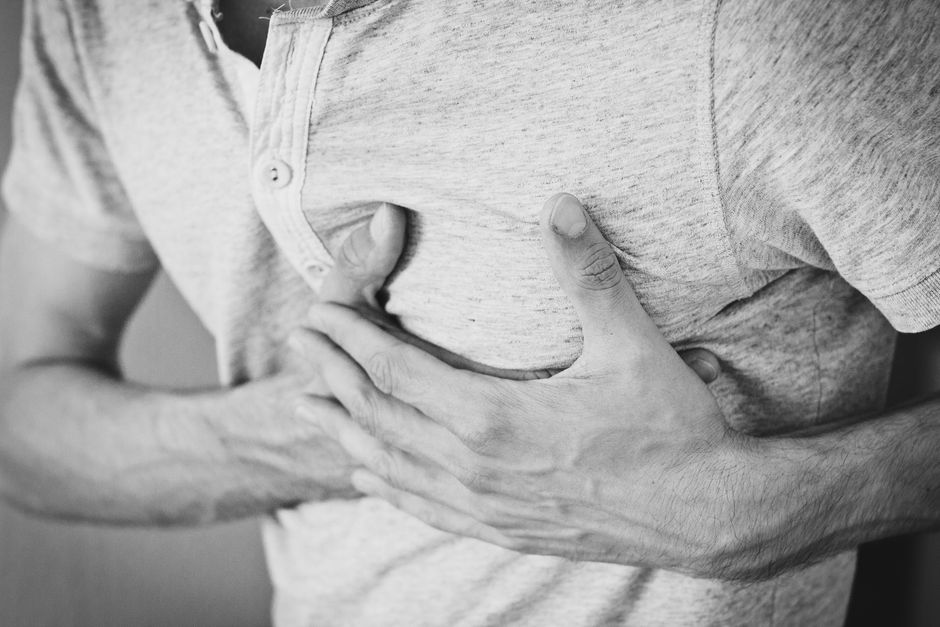
1. Radiating Pain: When Discomfort Travels
One of the most classic signs of a cardiac emergency is pain that does not stay confined to the chest. If you feel pressure that seems to travel outward, you need to pay close attention to the direction of that discomfort.
Pain in the Arms and Shoulders
Pain radiating to the left arm is the most widely recognized symptom, but it can affect either side. The nerves in your heart and the nerves in your arms share similar pathways to the brain, which is why your brain may struggle to pinpoint the exact source of the distress.
Jaw, Neck, and Back Discomfort
Many patients report a dull ache or sharp, radiating pressure that moves up into the jaw, throat, or between the shoulder blades. This is often dismissed as a toothache or a muscle strain, but in the context of chest pressure, it is a major red flag for cardiac ischemia.
2. Shortness of Breath and Respiratory Distress
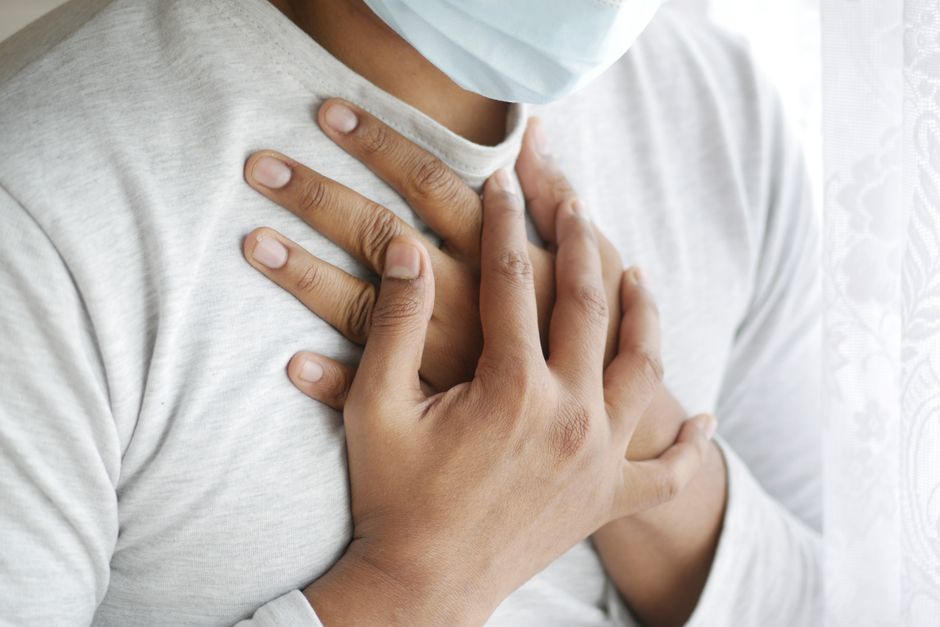
When your chest feels tight and you cannot pull in a full breath, your body is sending an urgent SOS signal. Shortness of breath, medically known as dyspnea, occurs when the heart is unable to pump blood effectively enough to meet the body’s oxygen demands.
- Difficulty catching your breath while resting.
- Feeling as though you are suffocating despite being in an open environment.
- Sudden onset of gasping that occurs without physical exertion.
If these symptoms arise suddenly, they may indicate pulmonary embolism, congestive heart failure, or an acute myocardial infarction. Do not wait to see if your breathing returns to normal; seek emergency evaluation immediately.
3. Profuse Sweating and Cold Clamminess
Most people associate sweating with heavy exercise or high temperatures. However, "stress sweating"—or diaphoresis—is a distinct physical response to a medical crisis. If you are sitting in a cool room and suddenly break out in a cold, drenching sweat, it is a classic warning sign of a heart attack.
This happens because the body’s autonomic nervous system shifts into "fight or flight" mode during a cardiac event. This physiological spike often occurs even if the chest pain itself feels relatively mild or manageable. When this cold sweat is paired with chest pressure, treat it as a medical emergency.
4. Dizziness, Fainting, and Lightheadedness
A drop in blood pressure or an irregular heartbeat can lead to a sudden reduction in blood flow to the brain. This manifests as lightheadedness, vertigo, or even a total loss of consciousness (syncope).
If you feel like the room is spinning or you are on the verge of blacking out while experiencing chest pressure, your heart may be struggling to maintain adequate circulation. Fainting is a serious clinical sign that requires immediate diagnostic testing, such as an EKG, to rule out lethal arrhythmias.

Comparison: Recognizing Common Causes of Chest Pressure
| Condition | Primary Symptoms | Duration | Severity |
|---|---|---|---|
| Heart Attack | Crushing pressure, radiating pain, sweating | Constant, persistent | High / Emergency |
| Panic Attack | Palpitations, fear, shallow breathing | Peaks in 10 minutes | Moderate / Non-lethal |
| Acid Reflux | Burning sensation, sour taste | Variable (after eating) | Low / Manageable |
| Muscle Strain | Localized tenderness to touch | Worsens with movement | Low / Self-limiting |

5. Nausea, Indigestion, and Abdominal Discomfort
It is a common misconception that heart-related chest pain always feels like a sharp jab. Often, the sensation is more akin to severe indigestion, heartburn, or even nausea. Many patients arrive at the emergency room believing they have simply eaten something that disagreed with them.
This is particularly true for women and older adults. If your "indigestion" is accompanied by chest tightness or pressure, it is safer to be evaluated for cardiac issues than to dismiss it as a gastrointestinal problem. Never assume that the source of the pressure is digestive if it feels systemic or overwhelming.

6. Rapid or Irregular Heartbeat (Palpitations)
Your heart should maintain a steady, predictable rhythm. When you experience chest pressure coupled with the sensation that your heart is fluttering, racing, or skipping beats, it may indicate a cardiac rhythm disturbance.
Tachycardia (a heart rate that is too fast) or arrhythmia (an irregular rhythm) can significantly reduce the heart's efficiency. This "pumping failure" creates a feedback loop that increases chest pressure and anxiety. Always monitor your pulse if you feel pressure; a resting heart rate consistently over 100 beats per minute warrants professional attention.

7. Feeling of Impending Doom
While this might sound psychological, the "feeling of impending doom" is a well-documented medical phenomenon. Patients suffering from acute myocardial infarction often report a profound, unexplainable sense that something is deeply wrong.
This reaction is likely tied to the body's surge of hormones during a major medical event. If you suddenly feel a sense of dread for no apparent reason, and it is accompanied by physical symptoms like chest pressure, trust your intuition. Your brain is picking up on internal distress that your conscious mind may not yet fully understand.
8. Extreme Fatigue and Weakness
Do you feel suddenly exhausted, to the point where lifting your arms feels impossible? Unexplained fatigue, especially if it hits you out of nowhere, is a frequent prodromal symptom of heart trouble.
This symptom can manifest days before a major event, but it is often reported during the event itself. If you are unable to perform basic tasks because your limbs feel like lead while your chest feels tight, your body is likely struggling to manage oxygen delivery. Do not push through this fatigue; stop all activity and seek help.
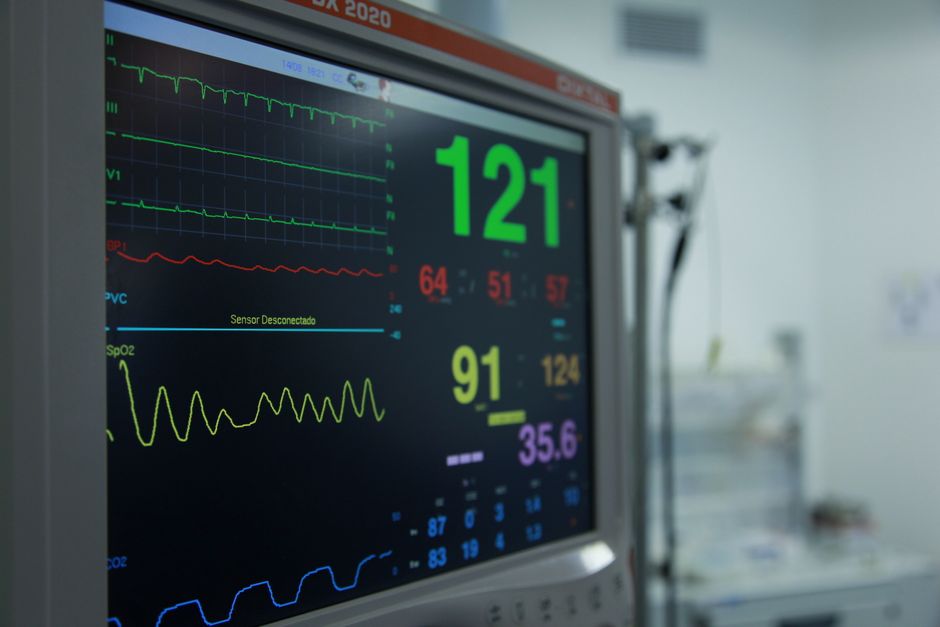
9. Symptoms That Worsen with Physical Exertion
If your chest pressure is stable while you are sitting still but becomes agonizing when you try to walk, climb stairs, or lift objects, this is a hallmark sign of angina. Angina is a condition where the heart muscle does not receive enough oxygenated blood.
This occurs because physical effort increases the workload on your heart. When the arteries are narrowed, they cannot keep up. If you notice your symptoms reliably follow physical effort, you need to consult a cardiologist as soon as possible, even if the pressure subsides with rest.

10. The Absence of Relief at Rest
A key indicator of an emergency is the failure of symptoms to subside. If you have been resting for five to ten minutes, have attempted to breathe deeply, and the chest pressure remains or intensifies, it is time to take action.
Minor muscle strains typically improve quickly with rest and changing positions. Serious cardiac issues do not resolve simply because you sit down. If the symptoms are persistent, call emergency services immediately rather than driving yourself to the hospital.
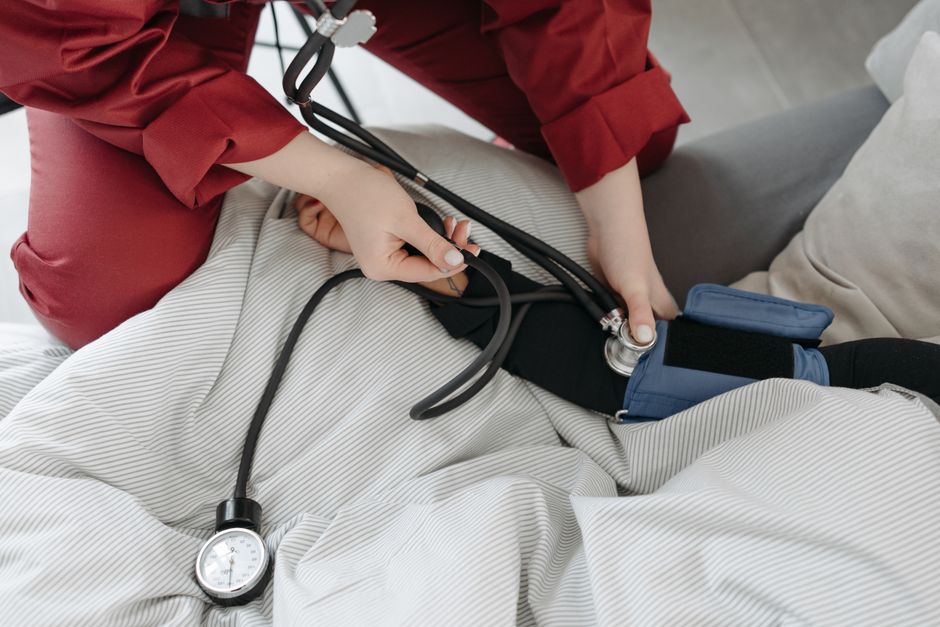
Actionable Steps When You Feel Chest Pressure
- Stop all physical activity immediately and sit or lie down in a position that makes breathing easiest.
- Loosen any restrictive clothing, such as collars or belts.
- Assess your symptoms: Are they radiating? Do you have cold sweat, nausea, or shortness of breath?
- If symptoms last more than five minutes or are severe, call emergency services. Do not attempt to drive yourself to the hospital, as your condition could worsen rapidly.
- If you have a history of heart issues and have been prescribed nitroglycerin, take it as directed by your doctor.
Frequently Asked Questions
Is chest pressure always a sign of a heart attack?
No, chest pressure can be caused by various issues, including GERD, anxiety, or costochondritis. However, because a heart attack is a life-threatening possibility, you should never assume your symptoms are benign. Always treat sudden, unexplained pressure as an emergency until a doctor rules out cardiac causes.
How do I know if my chest pressure is anxiety?
Anxiety-related chest pain often mimics cardiac symptoms but usually accompanies a known stressful event or panic episode. It tends to fluctuate and is often described as a sharp, stabbing pain rather than a heavy, crushing weight. If you are unsure, err on the side of caution and seek medical attention.
What are the unique heart attack symptoms in women?
Women are more likely to experience "atypical" symptoms compared to men. Instead of classic crushing pain, women often report severe fatigue, nausea, shortness of breath, or discomfort in the upper back and jaw. Because these symptoms are more subtle, they are frequently under-diagnosed.
Does age play a role in chest pressure symptoms?
Yes, older adults are more likely to experience silent or masked symptoms of heart disease. This may present as general confusion, overwhelming weakness, or sudden falls rather than traditional chest pain. Anyone over the age of 50 should be particularly vigilant about any new or unexplained physical distress.
When can I safely ignore chest pressure?
There is no scenario where you should completely ignore unexplained chest pressure. While you may be able to monitor mild, localized soreness that disappears with rest, any chest pressure that is new, persistent, or accompanied by systemic symptoms requires a professional medical evaluation to ensure your long-term health.
Conclusion: Your Health is Your Best Asset
Navigating the nuances of chest pressure is not about being paranoid; it is about being prepared. By understanding these 10 symptoms—from radiating pain and shortness of breath to the subtle signs of extreme fatigue—you empower yourself to make life-saving decisions. If you are ever in doubt, the safest path is always to seek immediate medical intervention. Listen to your body, trust your intuition, and never underestimate the value of a professional diagnostic check. Your health is your most precious asset; treat it with the urgency it deserves.
Disclaimer
This article is general information, not medical advice. It cannot account for an individual's history, medications or risk factors. Anyone weighing a treatment, a test or a change in medication should speak with a qualified healthcare professional first, and treat urgent symptoms as an emergency rather than a research question.