Proper Squat Form for Beginners Guide
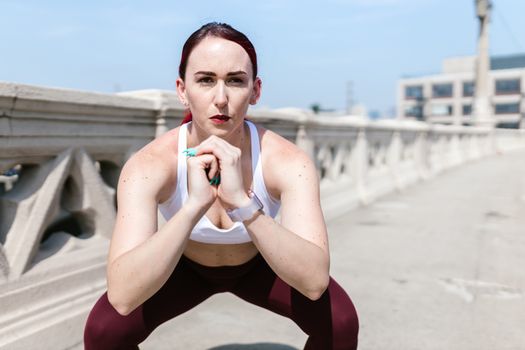
A good beginner squat keeps the whole foot on the floor, the knees tracking in line with the toes, and the spine in a steady, neutral position while the hips and knees bend together. Depth, stance width and how upright you stay vary from person to person because hips, ankles and limb lengths differ, so the goal is a pattern that is controlled and comfortable for your body, not a copy of someone else's. This guide covers setup, the movement itself, common faults and how to fix them, simple progressions, and when to get help. If you have a current injury, joint pain or a medical condition, check with a doctor or physical therapist before starting a new exercise.
Setup: Feet, Stance and Brace
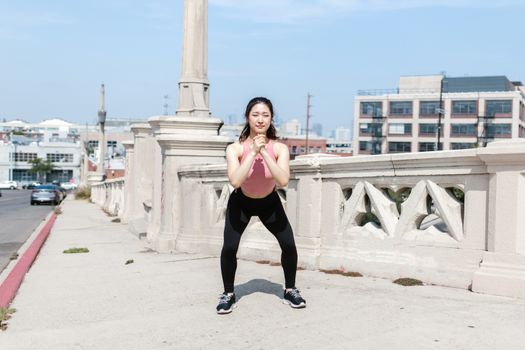
- Stance width. Start with feet about shoulder-width apart and adjust from there. Some people squat more comfortably a little wider.
- Toe angle. Turn the toes out slightly; most people find a small outward angle lets the hips move more freely.
- Foot pressure. Feel the big toe, little toe and heel all in contact with the floor, like a tripod.
- Brace. Take a breath into your belly and tighten your midsection as if preparing for a light push, without holding your breath for long.
- Chest and eyes. Keep the chest up and look forward or slightly down, whichever keeps your neck neutral.
The Movement, Step by Step
- Start the descent by bending at the hips and knees together, as if sitting back and down between your heels.
- Keep the knees in line with the toes. Let them travel forward naturally; it is normal for knees to move past the toes when the ankles allow it.
- Control the speed. Lower yourself steadily rather than dropping.
- Go as deep as you can while keeping form: heels down, spine steady, knees tracking over the feet. For many beginners that is around the point where the thighs are near parallel to the floor, but depth that you can control matters more than a number.
- Drive back up through the whole foot, keeping the chest and hips rising together.
- Stand tall at the top without leaning back, then reset your breath for the next repetition.
Common Faults and How to Fix Them
| Fault | What it looks like | Fix to try |
|---|---|---|
| Heels lifting | Weight shifts to the toes | Widen the stance slightly, turn toes out a little, work on ankle mobility, or temporarily place thin plates under the heels |
| Knees caving in | Knees move toward each other | Think of spreading the floor apart with your feet; use a light band around the knees as a cue |
| Rounding the back at the bottom | Pelvis tucks under and the lower back rounds | Squat only to the depth where your back stays steady and improve gradually |
| Chest collapsing forward | Torso folds over the knees | Brace before each rep, hold a light weight at the chest (goblet squat) to help stay upright |
| Rushing | Bouncing at the bottom | Slow the descent and pause briefly at the bottom |
Beginner Progressions
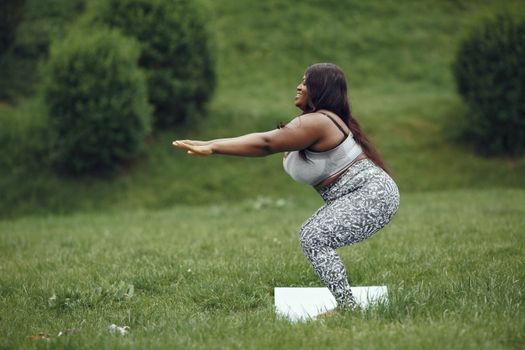
- Box or chair squat. Squat back to touch a sturdy box or chair, then stand up. It teaches depth and confidence.
- Bodyweight squat. The same pattern without the box, focusing on control.
- Goblet squat. Hold a dumbbell or kettlebell at your chest. The weight in front helps many people stay upright and is a natural next step.
- Barbell squat. Once the pattern is consistent, learn the barbell back squat or front squat with a coach or experienced partner, using safety bars or a rack set at the right height.
Increase difficulty slowly. Add repetitions or a little weight only when every repetition in your current sets looks the same as the first. A sudden jump in load is a common reason beginners lose form.
Warm-Up and Mobility
A few minutes of light movement before squatting helps you move better: walking or easy cycling to warm up, then leg swings, hip circles, a few slow bodyweight squats, and calf or ankle mobility drills if your heels tend to lift. Keep the warm-up gentle; the aim is to prepare, not to tire yourself out.
Equipment: What You Actually Need
You can learn the squat with no equipment at all. As you progress, the useful additions are a dumbbell or kettlebell for goblet squats, a resistance band for knee-tracking cues, and flat, stable shoes; soft, cushioned running shoes can feel unstable under load. Weightlifting shoes with a raised heel help some lifters who lack ankle mobility, but they are optional. For barbell squats, train in a power rack or with safety arms, and learn how to fail a repetition safely before adding weight. Prices vary widely, so check current prices from retailers or gyms if you are budgeting.
How Often to Practice
Beginners usually do well squatting two or three times a week with a rest day between sessions, which gives muscles and joints time to recover. Short, frequent practice builds the pattern faster than occasional long sessions. Some muscle soreness after a new exercise is normal; sharp pain, pain in a joint, or pain that changes how you move is a signal to stop and get advice.
When to Get Help
- You feel pain in the knees, hips or back during or after squatting.
- You cannot reach a comfortable depth without your heels lifting or your back rounding, despite practice.
- You want to start barbell squats and have never been coached.
- You are returning from an injury or surgery.
A qualified coach, personal trainer or physical therapist can watch your squat, suggest stance changes, and give you mobility work specific to you. Filming yourself from the side and front is a free way to check your own form between sessions.
How often should beginners practice squats?
Two or three sessions a week with rest days in between is a common starting point. Adjust based on how you recover.
Is it bad if my knees go past my toes?
Not necessarily. Knees naturally travel forward in a deep squat. What matters more is that they track in line with your toes and your heels stay down.
How deep should I squat?
As deep as you can while keeping your heels down, your back steady and your knees tracking well. Depth can improve with practice and mobility work.
Should I squat every day?
Light bodyweight practice can be done often, but loaded squats need recovery time between sessions.
Do I need weightlifting shoes?
No. Flat, stable shoes work for most beginners. Raised-heel shoes can help if ankle mobility limits your depth.
Key Takeaways
- Whole foot down, knees in line with toes, steady spine, controlled speed.
- Start with box squats and bodyweight squats, then goblet squats.
- Add load slowly and only when form stays consistent.
- Warm up gently and get help for pain or before learning barbell squats.