Easy Air Fryer Recipes for Beginners
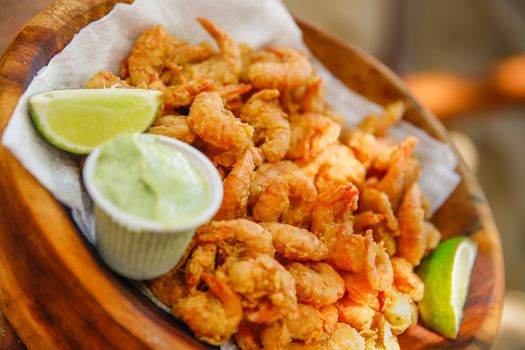
An air fryer is a small, powerful convection oven: it circulates hot air around food to crisp the outside, which makes it ideal for vegetables, reheated leftovers, frozen snacks and small portions of chicken or fish. Cooking times and temperatures vary between models and basket sizes, so treat any recipe as a starting point and check food early the first few times. This guide covers equipment, beginner recipes, food safety using USDA Food Safety and Inspection Service (FSIS) temperatures, and common mistakes.
What Equipment Is Needed for Beginner Air Fryer Cooking?
- An instant-read food thermometer to check meat and poultry.
- Tongs with silicone tips to protect the basket's coating.
- An oil sprayer or brush for a light coating; aerosol sprays with propellants can damage some nonstick coatings, so check the manual.
- Parchment liners made for air fryers, used only with food on top so they don't blow into the heating element.
Food Safety First
FSIS lists safe minimum internal temperatures measured with a food thermometer: poultry 165°F; ground beef, pork, lamb and veal 160°F; and whole cuts of beef, pork, lamb and veal 145°F with a three-minute rest. Refrigerate leftovers within 2 hours and reheat them to 165°F (USDA FSIS, Leftovers and Food Safety, read October 9, 2026). Air fryers brown the outside quickly, so a crisp surface doesn't guarantee the inside is done; always check thick pieces.
How to Cook Basic Proteins in an Air Fryer
Chicken thighs or breasts
Pat dry, season, and brush lightly with oil. Cook in a single layer, turning once, and check that the thickest part reaches 165°F. Thighs stay juicier than breasts and are more forgiving for beginners.
Salmon or white fish
Season fillets and cook skin-side down without turning. Fish is done when it flakes easily; the FSIS safe temperature table lists 145°F for fish.
Burgers and meatballs
Make them evenly sized, cook in a single layer and check that the center reaches 160°F.
Tofu
Press to remove moisture, cube, toss with a little oil, cornstarch and seasoning, and shake the basket halfway through.
How to Prepare Easy Vegetable Side Dishes
- Broccoli or cauliflower florets: toss with oil and salt; cook until edges brown.
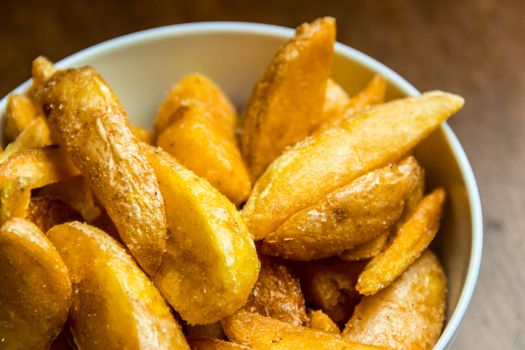
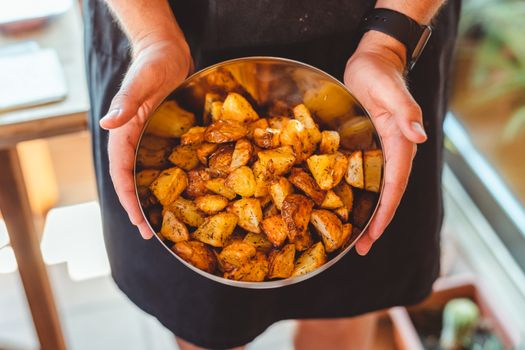
- Potatoes: cut into even wedges or cubes, soak or rinse to remove surface starch, dry well, then cook until golden.
- Brussels sprouts: halve, toss with oil, and shake the basket during cooking.
- Zucchini and peppers: cook briefly; they soften fast.
Understanding Temperature and Timing
Because air fryers vary, there is no single chart that fits every model. Start with your manual's guide or a recipe written for air fryers, check a few minutes early, and adjust next time. Smaller baskets and more powerful models cook faster. When converting an oven recipe, many cooks lower the temperature slightly and shorten the time, then check often.
Common Beginner Mistakes
- Overcrowding: food steams instead of crisping. Cook in batches.
- Skipping the shake: shake or turn food halfway for even browning.
- Too much oil or none: a light coat helps browning; heavy oil drips and smokes.
- Wet food: pat food dry before cooking.
- Light, loose items: small pieces of paper or light toppings can blow around; secure them.
- Not preheating when needed: some models and recipes benefit from a short preheat.
Reheating Leftovers
Air fryers are excellent for reheating fries, pizza and breaded foods so they stay crisp. Reheat leftovers until they reach 165°F, as FSIS recommends.
Cleaning and Care
Let the basket cool, then wash it with warm soapy water or in the dishwasher if the manual allows. Avoid metal scrubbers on nonstick coatings. Wipe the heating area carefully once cool to prevent grease buildup and smoke. Keep the air fryer on a heat-resistant surface with space around the vents.
Starter Recipe Plan for Your First Week
| Day | Try | Skill learned |
|---|---|---|
| 1 | Frozen fries or nuggets | How your model browns |
| 2 | Broccoli with garlic | Shaking and oil coating |
| 3 | Chicken thighs | Checking temperature |
| 4 | Salmon fillets | Cooking delicate food |
| 5 | Potato wedges | Drying and batch cooking |
Easy Snacks and Extras
- Roasted chickpeas: drain, dry well, toss with oil and spices, and shake often until crisp.
- Garlic bread or toast: watch closely; bread browns fast.
- Frozen appetizers: follow package directions for air fryers when given, and cook in a single layer.
- Baked apples or pears: core, add cinnamon and a little butter or oats, and cook until tender.
Cooking Frozen Foods Safely
Many frozen foods include air fryer directions; use them as a starting point. Some frozen products are partly cooked or raw even if they look browned, such as breaded chicken, so check the label and use a thermometer to make sure poultry reaches 165°F. Don't thaw frozen meat on the counter; cook from frozen if the package allows, or thaw in the refrigerator.
Choosing an Air Fryer
Basket models are compact and simple; oven-style models fit more food and may include racks for multiple layers. Choose a size that fits your household so you can cook in a single layer without too many batches. Look for a basket that's easy to clean, clear controls, and a manual with a cooking guide for common foods. Measure your counter space, including room around the vents.
Frequently Asked Questions
Is air-fried food healthier than deep-fried?
It typically uses much less oil than deep frying, which reduces added fat. Overall healthfulness still depends on the food itself.
Do I need to preheat?
Some models recommend it; check your manual. A short preheat can help with crisping.
Can I use aluminum foil?
Some manuals allow it with precautions; follow your model's instructions and never block airflow.
How do I know chicken is done?
Use a food thermometer: poultry should reach 165°F, per FSIS.
Adapting Your Favorite Recipes
Recipes for roasting or baking in a conventional oven often work in an air fryer with adjustments. Cut food into smaller, even pieces, use less oil, cook in batches so pieces don't touch, and start checking earlier than the oven recipe suggests. Wet batters tend to drip and make a mess; use a dry breading of flour, egg and crumbs instead. Keep notes on times and temperatures that work in your model so the next attempt is easier.
Key Takeaways
- Cook in a single layer, shake halfway, and use a light coat of oil.
- Use FSIS safe temperatures and a thermometer, especially for poultry.
- Treat timing charts as a starting point for your model.
- Clean the basket and heating area regularly.
Sources and References
- USDA Food Safety and Inspection Service, Leftovers and Food Safety (read October 9, 2026).