Quick and Easy Instant Pot Recipes: The Basics
The fastest Instant Pot meals are ones that cook in liquid and benefit from pressure: soups, stews, beans, grains, shredded meats and one-pot pasta. Total time is longer than the "cook time" in a recipe, because the pot needs time to come up to pressure and to release it afterward, so this guide explains how to plan for the whole process. It also covers food safety from the USDA Food Safety and Inspection Service (FSIS), how to adapt recipes, and a set of reliable quick meals to start with. Always follow your model's manual, since sizes, settings and minimum liquid requirements differ.
How Long Do Quick Instant Pot Recipes Take?
Plan for three stages:
- Coming to pressure: depends on how full the pot is and how cold the ingredients are; frozen or large amounts take longer.
- Cooking under pressure: the time the recipe lists.
- Releasing pressure: natural release takes longer and suits meats, beans and foamy foods; quick release is faster but can make some foods spit or toughen.
Recipes that look like "ten-minute meals" often take noticeably longer in total once these stages are included. Many recipes list total time; use that number for planning.
Food Safety Essentials
FSIS gives these safe minimum internal temperatures, measured with a food thermometer: poultry 165°F; ground beef, pork, lamb and veal 160°F; and whole cuts of beef, pork, lamb and veal 145°F with a three-minute rest (USDA FSIS, Leftovers and Food Safety, read October 9, 2026). Check meat with a thermometer after pressure cooking, especially large cuts. Refrigerate leftovers within 2 hours, and reheat them to 165°F. Don't use the "keep warm" setting to hold food for long periods unless your manual says it keeps food hot enough.
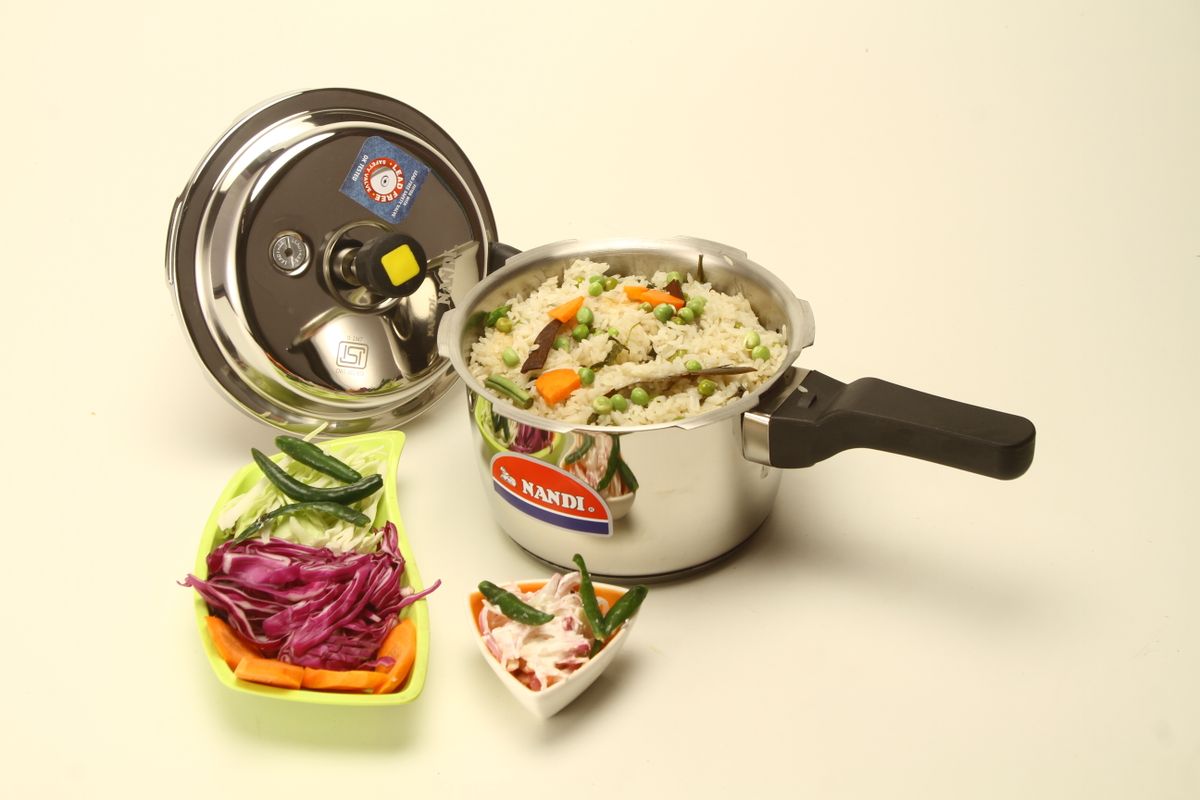
What Ingredients Work Best for Fast Pressure Cooking?
- Dried beans and lentils: pressure cooking shortens cooking time dramatically; lentils need no soaking.
- Rice and grains: consistent results with the right water ratio for your model.
- Tougher cuts of meat: chuck, pork shoulder and chicken thighs become tender quickly.
- Root vegetables: potatoes and carrots cook evenly in large pieces.
- Broth-based soups and stews: build flavor fast.
Delicate vegetables, fish and pasta overcook easily; add them at the end or use short cook times and quick release.
Five Reliable Quick Meals
1. Chicken and rice
Sauté onion and garlic, add rinsed rice, broth and seasoned chicken thighs, pressure cook, and check that the chicken reaches 165°F.
2. Lentil soup
Combine lentils, chopped carrots, celery, onion, canned tomatoes and broth. Pressure cook, then season with lemon juice and herbs.
3. Chili
Brown ground meat (to 160°F when finished) or use beans only, add tomatoes, spices and beans, and pressure cook to blend flavors.
4. Pulled pork or beef
Cut a shoulder or chuck roast into chunks for faster, more even cooking, add a flavorful liquid, pressure cook and release naturally, then shred.
5. One-pot pasta
Use a recipe written for the pressure cooker, since pasta needs a specific liquid ratio and short cook time to avoid a burn warning.
Avoiding the Burn Warning
- Deglaze the pot after sautéing by scraping up browned bits with liquid.
- Use at least the minimum liquid your manual specifies.
- Layer thick sauces like tomato paste on top rather than stirring them in.
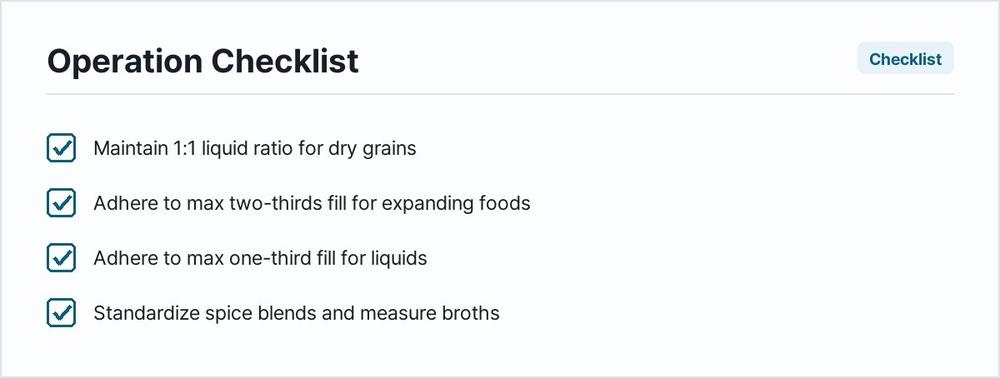
- Don't overfill: follow the maximum fill lines, which are lower for foods that foam or expand, such as beans and grains.
Adapting Stovetop Recipes
Reduce liquid compared with a stovetop recipe, since little evaporates under pressure, but keep at least the minimum. Cut meats into similar-sized pieces. Add dairy and thickeners after pressure cooking, using the sauté function to thicken. Start with a tested pressure-cooker recipe similar to what you want and adjust from there.
How Much Do Ingredients Cost?
Pressure cooking is well suited to inexpensive ingredients such as dried beans, lentils, rice, root vegetables and tougher cuts of meat, which become tender without long simmering. Prices vary by store and season; compare unit prices on shelf labels and build meals around what's on sale.
Safety and Care
- Check the sealing ring and float valve before each use and keep them clean.
- Never force the lid open; wait until the float valve drops.
- Keep hands and face away from the steam release.
- Follow USDA guidance on home canning; don't use a multicooker for canning unless the manufacturer and tested guidelines support it.
Comparison: Natural vs Quick Release
| Method | Best for | Note |
|---|---|---|
| Natural release | Meats, beans, soups, foamy foods | Takes longer; food keeps cooking |
| Quick release | Vegetables, pasta, seafood | Faster; watch for spitting |
| Combination | Many recipes | Natural release for a while, then quick release |
Building a Weekly Instant Pot Routine
A pressure cooker works best as part of a simple plan. On the weekend, cook a big batch of beans or lentils and a pot of rice or grains, then portion them for the week. Midweek, use the pot for a soup, stew or curry that only needs chopping and a single start. Keep a short list of pantry staples on hand, such as canned tomatoes, broth, onions, garlic, spices and frozen vegetables, so you can make a meal without shopping. Label containers with the date, refrigerate within 2 hours, and eat leftovers within the 3 to 4 days FSIS recommends, freezing anything you won't eat in time.
Cooking for One or Two
Smaller households can still use a large pressure cooker, but make sure you meet the minimum liquid requirement in the manual. Use the pot-in-pot method, cooking in a heat-safe dish set on the trivet, to make smaller portions or to cook rice and a main dish at the same time. Freeze extra portions flat in bags so they thaw quickly.
Frequently Asked Questions
Can I cook frozen meat in an Instant Pot?
Many recipes allow it with longer cooking times. Check the internal temperature with a thermometer to confirm it is safely cooked.
Why is my food undercooked?
Pieces may be too large, the pot may not have sealed, or the release may have been too quick. Check the seal and cut food more evenly.
How long do leftovers keep?
FSIS says leftovers can be refrigerated for 3 to 4 days or frozen for 3 to 4 months.
Key Takeaways
- Plan for total time, including pressurizing and release.
- Use a thermometer and FSIS safe temperatures.
- Choose ingredients that benefit from pressure; add delicate ones late.
- Follow your manual's liquid and fill limits.
Sources and References
- USDA Food Safety and Inspection Service, Leftovers and Food Safety (read October 9, 2026).