When to Replace Car Tires: Warning Signs to Check
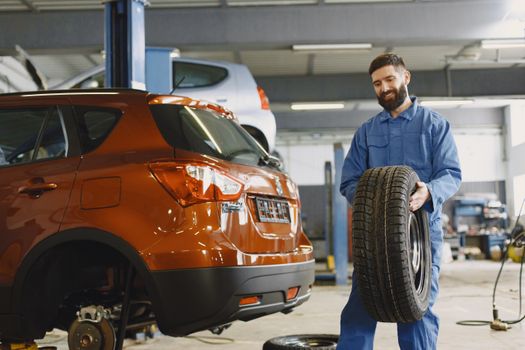
Replace a tire when the tread is worn to the treadwear indicators, when it shows damage such as cuts, cracks or bulges, when it wears unevenly because of underinflation or overloading, or when it has aged, even if the tread looks fine. These are the reasons the National Highway Traffic Safety Administration (NHTSA) gives in its TireWise guidance, along with the warning that poor tire maintenance can lead to a flat, a blowout or the tread coming off (NHTSA, Tires, read October 9, 2026). This guide explains how to check each sign yourself and how to keep tires lasting as long as they safely can.
1. Tread Depth: Wear Indicators and the Penny Test
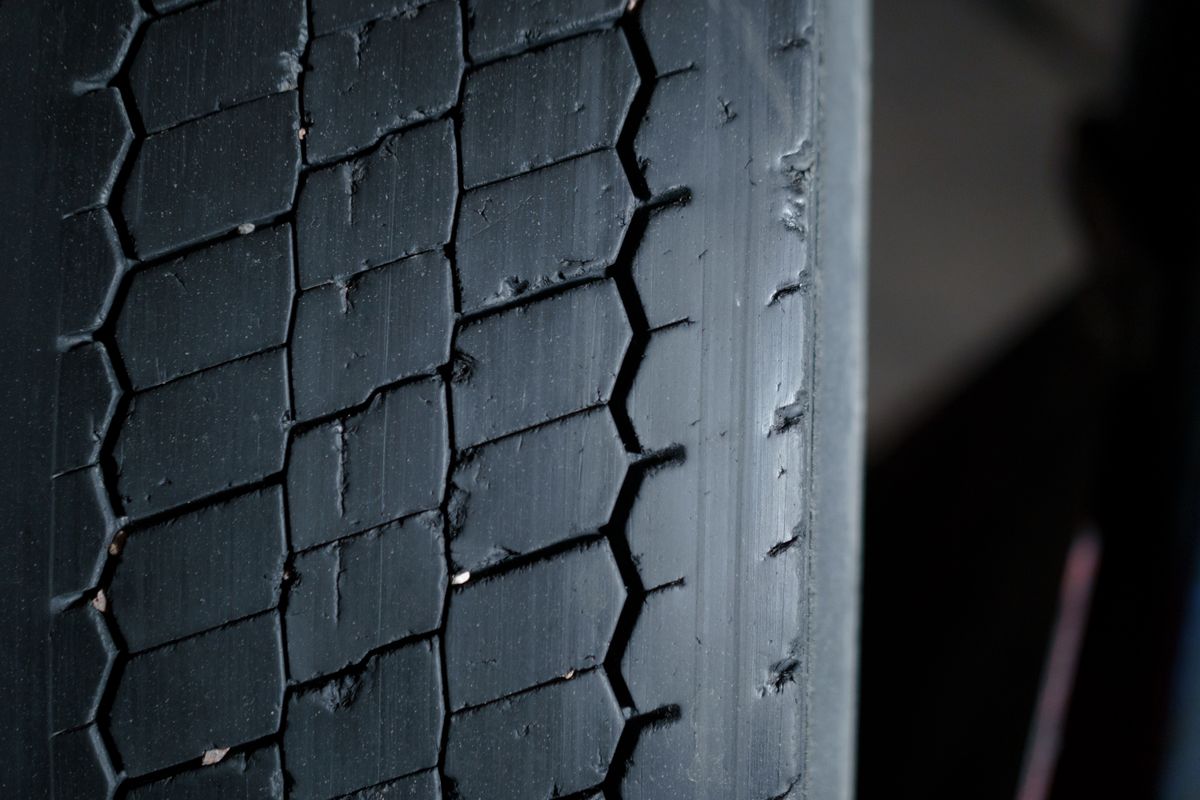
NHTSA explains that tires have built-in treadwear indicators, raised sections running between the tread; when the tread is worn level with them, it's time to replace the tires. You can also use a penny: place it in the tread with Lincoln's head upside down and facing you, and if you can see the top of Lincoln's head, replace your tires. Check several spots across each tire, because tread can wear unevenly.
2. Damage to the Sidewall or Tread
NHTSA lists signs of physical damage such as cuts, cracks and bulges as reasons to stop using a tire. A bulge or blister on the sidewall means the internal structure is damaged and the tire can fail suddenly. Small punctures in the tread area may be repairable by a professional; damage to the sidewall generally is not. If in doubt, have a tire shop inspect it.
3. Uneven or Unusual Wear
Irregular wear is a clue to another problem. NHTSA mentions wear caused by underinflation or overloading as a reason to stop using a tire. Common patterns:
- Both edges worn: often underinflation.
- Center worn: often overinflation.
- One edge worn: often an alignment problem.
- Patchy or cupped wear: can point to balance, suspension or alignment issues.
Fix the cause as well as replacing the tire, or the new tire will wear the same way.
4. Vibration, Noise and Handling Changes
A new vibration through the steering wheel or seat, a thumping noise, or the car pulling to one side can come from tire damage, imbalance or alignment problems. Have it checked promptly rather than waiting for the next service.
5. Tire Age
NHTSA notes that tires are more prone to failure as they age, and that some vehicle and tire manufacturers recommend replacing tires that are six to 10 years old, regardless of treadwear. To find a tire's age, look on the sidewall for the DOT Tire Identification Number; NHTSA explains that the last four digits show the week and year the tire was made, so 0308 means the third week of 2008. The number may be on only one side. NHTSA also reminds drivers that spare tires age too, because they are seldom replaced.
Keep Tires Lasting Longer
NHTSA calls proper tire pressure the most important part of tire maintenance and gives these steps: find the recommended pressure on the Tire and Loading Information label on the driver's door edge or post, or in the owner's manual (not the number molded on the tire); check all tires, including the spare; and add or release air to reach the recommended pressure. NHTSA notes that properly inflated tires can extend the average life of a tire and save fuel, and that rotation, balance and alignment also help tires last longer.
- Check pressure at least monthly and before long trips, when tires are cold.
- Rotate tires on the schedule in your owner's manual.
- Have alignment checked if you hit a large pothole or notice uneven wear.
- Don't overload the vehicle beyond the load shown on the door label.
Buying Replacement Tires
Use the size and load and speed ratings listed on the vehicle's tire label or in the owner's manual. NHTSA explains that most passenger tires are rated under the Uniform Tire Quality Grading System for treadwear, traction and temperature resistance, shown on the sidewall, and offers a ratings lookup to compare tire lines. Choose a tire type for your climate: NHTSA describes all-season tires as handling a variety of conditions with some mud and snow capability, winter tires as more effective in deep snow, and summer tires as not designed for freezing temperatures, snow or ice. Check for recalls on NHTSA's site and register new tires with the manufacturer.
Quick Checklist
| Check | How | Replace or inspect if |
|---|---|---|
| Tread | Wear indicators or penny test | Tread is level with indicators, or you can see the top of Lincoln's head |
| Sidewall | Look closely all around | Cuts, cracks or bulges |
| Wear pattern | Compare edges and center | Uneven wear |
| Age | Last four digits of the DOT TIN | Near or past the manufacturer's recommended age |
| Pressure | Gauge vs door label | Frequent loss of pressure |
Seasonal and Trip Checks
Temperature swings change tire pressure, so check more often when seasons change. Before a long trip, check pressure on all tires including the spare, look for damage, and make sure the jack and tools are in the car. If your vehicle has a tire pressure monitoring system (TPMS), NHTSA's guidance explains what the warning light means; treat a lit TPMS light as a prompt to check pressures with a gauge, not as a substitute for regular checks. Remember that the spare tire ages too, even if it has never been used.
Frequently Asked Questions
How do I know my tires are too worn?
When the tread is level with the treadwear indicators, or when the penny test shows the top of Lincoln's head, according to NHTSA.
Can old tires be unsafe even with good tread?
Yes. NHTSA notes aging tires are more prone to failure and that some manufacturers recommend replacement at six to 10 years regardless of tread.
Should I replace all four tires at once?
It depends on the vehicle and remaining tread on the others; all-wheel-drive vehicles often need matched tires. Check the owner's manual and ask a tire professional.
Is the pressure on the tire sidewall the right one?
No. NHTSA says to use the vehicle manufacturer's recommended pressure from the door label or owner's manual.
Driving on a Worn or Damaged Tire
If you notice a bulge, a deep cut, or tread worn to the indicators, replace the tire before driving long distances or at highway speed. A damaged tire can fail suddenly, especially when hot or heavily loaded. If a tire goes flat while driving, slow down gradually, pull over somewhere safe, and use the spare or call for roadside help rather than driving on the flat, which can damage the wheel.
Key Takeaways
- Replace tires worn to the indicators or failing the penny test.
- Don't drive on tires with cuts, cracks or bulges.
- Check the DOT code for age; aging tires can fail even with good tread.
- Keep pressure at the vehicle's recommended level and rotate tires regularly.
Sources and References
- National Highway Traffic Safety Administration, Tires (TireWise) (read October 9, 2026).