Effective Non-Chemical Drain Clearing Methods
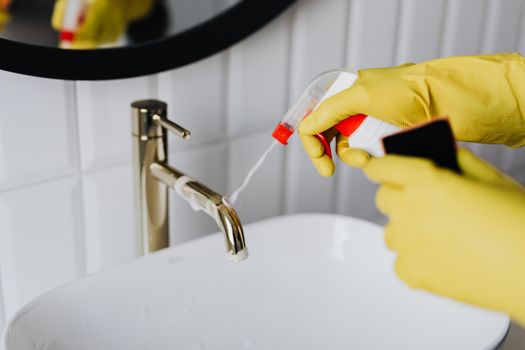
Most household clogs can be cleared without chemical drain cleaners, using a plunger, a drain snake, hot water, or by cleaning the trap under the sink. Mechanical methods physically remove or break up the blockage, which is what actually fixes it, and they avoid the risks that come with caustic cleaners: splashes, damage to some pipes and finishes, and dangerous reactions if a plumber or another product is used afterwards. This guide goes from the simplest method to the most involved, and ends with the signs that the problem is beyond a do-it-yourself fix.
First, Work Out What Kind of Clog It Is
- Kitchen sink: usually grease, food scraps and soap residue.
- Bathroom sink and shower: usually hair bound with soap scum.
- Toilet: usually too much paper or items that should not be flushed.
- Several fixtures at once: if more than one drain is slow, or water backs up in a tub when the toilet is flushed, the blockage may be in the main line. That is a job for a plumber.
Method 1: Hot Water
For a slow kitchen drain caused by soft grease, hot water can loosen the build-up. Some people pour a handful of table salt in first for a mild scouring effect. This works only on soft residue; it will not clear a solid blockage. Very hot water can soften some plastic pipes and can crack a porcelain toilet bowl, so if you are unsure what your pipes are made of, use hot tap water rather than boiling water, and never pour boiling water into a toilet.
Method 2: Baking Soda and Vinegar
Baking soda followed by vinegar fizzes and can help loosen light organic residue in a sink drain. Let it sit, then flush with hot water. It is gentle and inexpensive, but it is not strong enough for a heavy hair clog or a solid blockage. Do not use it right after a chemical drain cleaner, and never mix it with other cleaning products.
Method 3: The Right Plunger, Used Properly
Plungers clear many ordinary clogs, provided you use the right type:
- Cup (sink) plunger: a flat rubber cup for sinks, tubs and showers.
- Flange (toilet) plunger: a cup with an extra sleeve that seals in the toilet outlet.
Technique matters more than force. Leave enough water in the fixture to cover the plunger cup. For a double kitchen sink, seal the other drain with a wet cloth or stopper; for a bathroom sink, cover the overflow hole. Push down gently first to remove air, then plunge firmly with an up-and-down motion while keeping the seal, and repeat several times. If several attempts fail, move on to a snake rather than adding chemicals.
Method 4: Clean the Hair From Bathroom Drains
Most bathroom sink and shower clogs sit just below the stopper. Remove the stopper (many lift out or unscrew; some are connected to a rod under the sink), pull out the hair with a gloved hand or an inexpensive plastic drain-cleaning strip with barbs, then run hot water. Doing this every few months prevents most slow drains.
Method 5: Clean the Sink Trap
The curved pipe under a sink, the P-trap, catches debris and is often where a kitchen or bathroom clog sits. Put a bucket underneath, wear gloves, and unscrew the slip nuts by hand or with pliers. Empty and rinse the trap, check that the pipe beyond it is clear, then reassemble, making sure washers are seated, and run water to check for leaks.
Method 6: Use a Drain Snake (Auger)
A hand-cranked drain snake reaches clogs beyond the trap. Feed the cable into the drain until you feel resistance, tighten the lock, and turn the handle to hook or break up the blockage, then pull back slowly and flush with hot water. For toilets, use a closet auger, which has a protective sleeve to avoid scratching the bowl. Rental shops carry powered augers for stubborn branch-line clogs; read the instructions carefully and wear gloves and eye protection.
Method 7: Wet/Dry Vacuum
A wet/dry shop vacuum set to liquid mode can sometimes pull a clog out of a sink or tub drain. Seal the vacuum hose tightly over the drain and cover any overflow openings. It is most useful for blockages close to the drain opening.
Why Avoid Chemical Drain Cleaners
Caustic or acidic drain cleaners can splash and burn skin and eyes, can damage some pipe materials and fixture finishes, and leave a hazard for anyone who works on the drain afterwards. If one has already been used and the drain is still blocked, tell the plumber before they start, and do not plunge, since that can splash the chemical. Enzyme-based maintenance products work slowly and are intended for prevention, not for clearing a full blockage.
Tools and Costs to Check
| Tool | Best for | Notes |
|---|---|---|
| Cup plunger | Sinks, tubs, showers | Inexpensive; keep one per bathroom |
| Flange plunger | Toilets | Different shape from a sink plunger |
| Plastic barbed drain strip | Hair in bathroom drains | Disposable, very cheap |
| Hand drain snake | Clogs past the trap | Buy or rent |
| Closet auger | Toilet clogs | Protects the bowl finish |
| Wet/dry vacuum | Clogs near the opening | Useful if you already own one |
Check current prices at a hardware store; most of these tools cost less than a single plumber visit, and they last for years.

When to Call a Plumber
- Several fixtures are slow or back up at the same time.
- Sewage smells, or water backs up into a tub or floor drain.
- The clog returns quickly after clearing.
- You cannot reach the blockage with a hand snake.
- Pipes are old, corroded or leaking, or a chemical cleaner is sitting in the drain.
A plumber can use a powered auger or a camera inspection to find and clear blockages in the main line, such as tree roots.
Prevention Habits
- Scrape plates into the trash and keep cooking grease out of the sink; let it cool and throw it away.
- Use a strainer in kitchen sinks and a hair catcher in showers.
- Flush only toilet paper; "flushable" wipes can still cause blockages.
- Run hot water after using the kitchen sink.
- Clean bathroom stoppers every few months.
Frequently Asked Questions
Is boiling water safe for all drains?
No. It can soften some plastic pipes and crack a porcelain toilet bowl. Use hot tap water if you are unsure.
Does baking soda and vinegar unclog a drain?
It can loosen light residue but rarely clears a real blockage. A plunger, hair removal or a snake is more effective.
Can I use a plunger after a chemical cleaner?
Avoid it; plunging can splash the chemical. Flush with plenty of water if the label allows, or call a plumber and tell them what was used.
How do I prevent kitchen clogs?
Keep grease and food scraps out of the drain, use a strainer, and run hot water after washing up.