Why Burst-Pipe Claims on Empty Homes Get Denied
Burst-pipe claims on homes left empty in winter are most often denied for one of two reasons: the policy's vacancy or unoccupancy conditions were not met, or the insurer concludes the owner did not take reasonable steps — maintaining heat or draining the water system — to prevent freezing. Sudden water damage from plumbing is ordinarily the kind of loss a homeowners policy covers; the National Association of Insurance Commissioners notes that water damage from a home's plumbing or a leaking roof is typically covered, while flood damage from groundwater or rain runoff is not (NAIC, Homeowners Insurance). The trouble with empty homes lies in the conditions and exclusions that surround that coverage. This guide explains the common reasons for denial, what to check in your policy before you leave, how to winterize, and what to do if a claim is denied. It is general information; your policy wording controls.
Reason 1: Vacancy and Unoccupancy Provisions
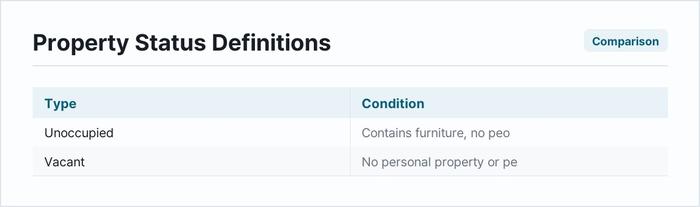
Many homeowners policies treat a home differently once it has been empty for a stated period. Some reduce or exclude coverage for certain causes of loss, including freezing and water damage, after the home has been vacant for longer than the policy allows. Policies define "vacant" and "unoccupied" in their own ways — for example, whether furniture remains or someone visits regularly — and those definitions decide the outcome. Find the conditions or exclusions section and read the exact language on vacancy, unoccupancy and freezing.
Reason 2: Failure to Maintain Heat or Drain the System
Policies commonly exclude freezing damage to plumbing while a home is vacant or unoccupied unless the owner used reasonable care to maintain heat in the building, or shut off the water supply and drained the system and appliances. If the heat failed, the thermostat was set too low, or the water was left on in an unheated home, an insurer may deny the claim. Keep evidence of the steps you took: thermostat settings, fuel deliveries, utility bills showing continued service, and photos of shut-off valves.
Reason 3: Gradual Leaks, Mold and Neglect
Policies are generally written to cover sudden and accidental losses. Damage that develops slowly — a drip that rots a floor over weeks, or mold growing after an undiscovered leak — may be excluded or limited. The NAIC notes that homeowners policies often exclude the cost of mold damage. In an empty house, a small leak can run for weeks before anyone notices, which is why regular inspections matter.
Reason 4: Flood vs. Plumbing Water
Water that enters from outside — rising water, snowmelt, or rain runoff — is flood, which standard homeowners policies exclude. The NAIC says flood coverage must be purchased separately, through the National Flood Insurance Program or private insurers. A burst pipe inside the home is a plumbing loss, but if outdoor flooding also occurs, the two causes may be handled differently.
Before You Leave a Home Empty for Winter
- Call your insurer or agent. Ask how long the home can be unoccupied under your policy and whether a vacancy permit or endorsement is available or required. Get the answer in writing.
- Decide: heat or drain. Either keep the heat on at a safe setting and confirm the fuel supply, or shut off the main water valve and drain pipes, water heater and appliances — ideally with a plumber's help.
- Arrange regular checks. Ask a trusted person to inspect the home at intervals and keep a log of visits.
- Install monitoring. Smart thermostats, temperature sensors and water-leak detectors can alert you to problems; automatic water shut-off valves can stop a leak early. Ask your insurer whether any of these qualify for a discount.
- Protect exposed pipes. Insulate pipes in crawl spaces, attics and exterior walls. Ready.gov's winter preparedness guidance recommends insulation, caulking and weather stripping and learning how to keep pipes from freezing (Ready.gov, Winter Weather).
If a Pipe Bursts
- Shut off the main water valve and, if safe, the electricity to affected areas.
- Document the damage with photos and video before cleanup.
- Report the claim promptly; policies require timely notice.
- Take reasonable steps to prevent further damage, such as drying and removing wet materials, and keep receipts.
- Keep damaged items until the adjuster has seen them, unless they pose a health risk.
If Your Claim Is Denied
- Ask for the denial in writing, citing the specific policy language.
- Compare that language with your evidence of heat, inspections and draining.
- Provide additional documentation and request reconsideration.
- Consider an independent adjuster or an attorney for large losses.
- Contact your state department of insurance, which handles consumer complaints about insurers.
Common Reasons and How to Prevent Them
| Reason for denial | Prevention |
|---|---|
| Vacancy or unoccupancy limits exceeded | Confirm limits; get a vacancy permit or endorsement |
| No heat maintained, water not drained | Keep heat on or drain the system; keep records |
| Gradual leak or mold | Regular inspections; leak sensors |
| Outside water (flood) | Separate flood insurance |
| Late notice | Report losses promptly |
Second Homes, Rentals and Homes for Sale
The vacancy problem is most common in three situations. Seasonal or second homes sit empty for months at a time; insurers often write these on different policy forms or require specific conditions. Rental properties between tenants can be vacant for weeks; landlord policies have their own vacancy provisions. Homes for sale after a move or an estate settlement may be empty for a long time, and an inherited home may still be insured under a deceased owner's policy that does not fit the new situation. In each case, tell the insurer how the property is being used and ask whether the current policy fits or a vacant-dwelling policy is needed.
What to Document Before Winter
- Photos of the thermostat setting and the heating system's service record.
- Fuel delivery receipts or utility statements showing service remained on.
- A plumber's invoice if the system was drained, listing what was done.
- A visit log signed by whoever checks the home.
- Your insurer's written confirmation of any vacancy permit or endorsement.
Store copies off-site or in the cloud so they are available if the home is damaged.
Frequently Asked Questions
Does homeowners insurance cover frozen pipes?
Often, for sudden damage, if you took reasonable care. Vacancy conditions and freezing exclusions can change that for empty homes.
How long can a house be empty before coverage changes?
It depends on your policy. Ask your insurer and read the vacancy and unoccupancy sections.
Is a second home or rental treated differently?
Often yes. Seasonal homes and rentals may need different policies or endorsements.
Will an automatic shut-off valve help?
It can limit damage and may qualify for a discount; ask your insurer.
Key Takeaways
- Plumbing water damage is usually covered; flood is not.
- Vacancy conditions and freezing exclusions drive most denials on empty homes.
- Maintain heat or drain the system, and document what you did.
- Ask your insurer about vacancy permits before you leave.
Sources and References
- National Association of Insurance Commissioners, Homeowners Insurance (read October 9, 2026).
- Ready.gov, Winter Weather (read October 9, 2026).
Disclaimer
This article is general information, not financial, tax or legal advice. Rules, rates and eligibility change and depend on where a reader lives and on their own situation. Figures here are illustrative; confirm current terms with the provider or agency involved, and consult a licensed professional before acting on a decision that carries real money.