Will Trump’s Venezuelan Oil Policy Spike Gas Prices in 2026?
Have you ever wondered why the price you pay at the pump often bears little resemblance to the actual amount of oil being drilled in Texas or North Dakota? For the average commuter in 2026, the cost of a gallon of gasoline isn't just about domestic extraction; it is dictated by a high-stakes geopolitical tug-of-war happening thousands of miles away in the Orinoco Belt. As talk of a return to "maximum pressure" sanctions against Venezuela intensifies, American drivers are left asking: will these policies break the bank at the pump?
The global oil market is a delicate ecosystem where specific crude grades are not interchangeable. While the United States remains the world's leading oil producer, our internal refining capacity is uniquely tuned to process heavy, sour crude. When geopolitical tensions threaten the flow of this specific Venezuelan oil, the entire pricing structure of the U.S. gasoline market feels the tremor. Let’s dive deep into the supply chains, refinery bottlenecks, and economic policies that will define your fuel costs through 2026.
The Global Energy Chess Game: Understanding Heavy Crude
To understand the potential impact of Venezuelan sanctions on your wallet, we first have to clarify what is actually inside those massive Gulf Coast refineries. Not all oil is created equal. Crude oil varies by density (light vs. heavy) and sulfur content (sweet vs. sour). Venezuela possesses the world’s largest oil reserves, but the vast majority of it is "heavy, sour" crude.
Most refineries along the U.S. Gulf Coast were engineered decades ago to specifically break down this heavy, thick oil into gasoline and diesel. When these refineries are cut off from their primary supply source, they cannot simply flip a switch and run on the "light, sweet" crude produced by U.S. shale companies. This technical limitation creates an artificial scarcity of refined products even when raw oil supplies are technically sufficient.
Why Refining Capacity Matters More Than Production
Critics of foreign oil reliance often point to U.S. production levels, which, according to the U.S. Energy Information Administration (EIA), have reached record highs exceeding 13 million barrels per day. However, total production numbers don't tell the whole story. If we stop importing heavy crude, our refineries have to pay a premium to source it from elsewhere or undergo expensive retooling processes.
The Economics of Sanctions and Market Volatility
Sanctions act as a supply-side shock. By removing millions of barrels from the global market, the price per barrel of Brent and WTI crude naturally trends upward. For the average consumer, this means that even if the domestic energy sector is booming, the global price of oil acts as a floor for what you pay for fuel at the station.
Evaluating the "Maximum Pressure" Policy Strategy
A potential Trump administration strategy for 2026 is widely expected to mirror the "Maximum Pressure" campaign of 2017–2021. This policy framework prioritizes aggressive economic sanctions over diplomatic engagement to force regime shifts or policy changes. While the intention is to drain the revenue streams of foreign governments, the unintended consequence is a contraction in the available global energy supply.
If sanctions are reimposed or tightened on Venezuela’s state-run oil company, PDVSA, the immediate market reaction is historically one of volatility. When energy traders see supply threats, they bid up the price of oil futures. This speculative trading often pushes gas prices higher weeks before a physical supply drop is even felt at the local station.
The Reality of Domestic Drilling vs. Import Dependence
A common political talking point is that total energy independence is only a matter of increasing domestic drilling. While increasing domestic production is vital for long-term security, it does not solve the 2026 refinery problem. Even if the U.S. were to double its output, it would still lack the capacity to process that light, shale-derived crude into the specific heavy-oil products required to keep Gulf Coast refineries running at peak efficiency.
| Factor | Venezuelan Heavy Crude | U.S. Shale (Light Sweet) | Economic Impact (2026) |
|---|---|---|---|
| Refining Process | Requires Complex Upgraders | Standard Distillation | Heavy Crude is costlier to refine |
| Supply Stability | High Geopolitical Risk | Stable Domestic Output | Sanctions increase price volatility |
| Global Availability | Massive Proven Reserves | Rapidly Growing Production | Global supply dictates local price |
| Infrastructure | Needs Specific Gulf Refineries | Requires Pipeline Expansion | Bottlenecks keep prices higher |
How Supply Chain Bottlenecks Impact Your Wallet
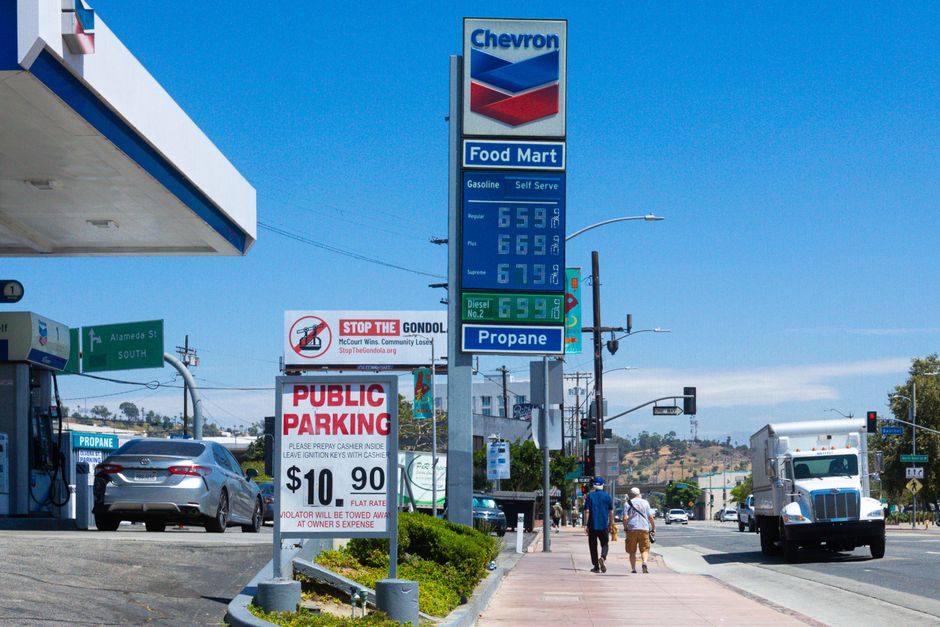
Supply chain stability is the invisible hand behind your fuel budget. When Venezuelan oil is sanctioned, U.S. refineries must hunt for replacement heavy crudes from countries like Canada or Mexico. When demand for heavy crude stays constant but supply drops, the price of that input rises.
- Increased Feedstock Costs: Refineries pass the extra cost of finding alternative heavy crude directly to retailers.
- Refinery Maintenance Cycles: If refineries are forced to adjust their systems to compensate for different oil types, temporary shutdowns can occur.
- Geopolitical Risk Premiums: Markets bake in a "fear premium," raising prices based on the possibility of supply disruptions, not just actual shortages.
- Transportation Logistics: If supply must be sourced from further away, the added cost of shipping is inevitably passed down the chain.
Can 2026 U.S. Energy Policy Offset the Global Deficit?
The incoming administration’s focus on deregulation and expanding federal leases aims to boost production. However, energy infrastructure projects take years, not months, to come online. A 2026 energy policy focused on drilling won't materialize into gas price relief for several years, creating a "gap" period where supply risks from countries like Venezuela remain a significant threat to consumer prices.
The Role of Speculation in Energy Futures
It is important to remember that the price you pay at the pump is heavily influenced by the commodities market. Traders do not wait for a refinery to run out of oil before they change prices; they react to policy announcements. If the Trump administration signals a move to re-sanction Venezuela, energy futures will reflect that news within minutes.
Market Sentiment and Price Spikes
Expectations of a supply squeeze lead to hoarding and speculative buying. This sentiment-driven volatility often leads to prices increasing well in advance of any actual physical supply change. This creates a psychological environment where gas prices can remain stubbornly high even during times of moderate global demand.
Practical Strategies for Drivers in 2026
While you cannot control international energy policy, you can control how much you spend on fuel. As geopolitical tensions loom, consider these actionable steps to protect your budget:
- Use Gas Price Comparison Apps: Services like GasBuddy can help you identify stations with the lowest regional prices.
- Optimize Vehicle Maintenance: Properly inflated tires and a clean air filter can improve fuel efficiency by up to 3-5%, according to the EPA.
- Adopt "Eco-Driving" Habits: Avoiding rapid acceleration and minimizing idling can significantly reduce your per-trip fuel consumption.
- Monitor Energy Policy News: Staying informed on upcoming sanctions or trade agreements allows you to anticipate potential price spikes and adjust your commuting or travel plans accordingly.
Frequently Asked Questions
Does more domestic drilling always lead to cheaper gas?
Not necessarily. Because the U.S. is part of a global oil market, the price of gasoline is determined by global benchmarks. Additionally, domestic oil must be refined; if our refineries cannot process the type of oil we produce, local prices may remain disconnected from total production volume.
Why can't we just refine our own oil instead of importing?
We do refine a massive amount of domestic oil, but many U.S. refineries were built specifically to process "heavy" oil imported from Venezuela or Canada. Changing these refineries to handle the "light" oil produced in U.S. shale fields requires billions of dollars in infrastructure investment.
What happens to gas prices if Venezuelan sanctions are enforced?
History suggests that sanctions on major oil producers lead to short-term price spikes. By restricting supply, the global market price for crude oil rises, which almost always results in higher gasoline costs for the American consumer within weeks.
Is 2026 expected to be a high-price year for fuel?
Economists are divided, but many suggest that if trade tensions continue and global supply remains tight, we should expect continued volatility. The intersection of domestic refining limitations and international political pressure makes the 2026 outlook uncertain and potentially bullish for fuel prices.
How much does the White House actually control gas prices?
The White House has limited direct control over daily gas prices, but their foreign policy—including sanctions, trade agreements, and energy leasing—has a massive long-term influence on market stability. A policy of "maximum pressure" on energy-producing nations is almost guaranteed to increase the price of oil futures.
: Navigating the Energy Uncertainty
The link between Washington’s policy desk and your local gas station is more rigid than many politicians care to admit. While the desire for energy independence is a noble goal, the reality of 2026 suggests that the U.S. remains tethered to global market conditions. If the Trump administration pushes for aggressive sanctions on Venezuela, the path forward for your fuel budget will likely be marked by increased volatility and elevated costs.
Smart consumers should prepare for the possibility of these spikes by optimizing their driving habits and staying informed on the broader geopolitical landscape. While you cannot stop the global oil trade, you can ensure that your household budget is prepared for the inevitable shifts that occur when global energy supply chains are reconfigured. Stay alert, track your local prices, and remember that when it comes to oil, the world is much smaller than it looks on a map.
Disclaimer
This article is general information, not financial, tax or legal advice. Rules, rates and eligibility change and depend on where a reader lives and on their own situation. Figures here are illustrative; confirm current terms with the provider or agency involved, and consult a licensed professional before acting on a decision that carries real money.