🔥 Fire Extinguisher Types Guide
Know which extinguisher to use for each type of fire
Ordinary Combustibles
Fuel: Wood, paper, cloth, rubber, plastics
Extinguisher: Water, foam, or dry chemical
How it works: Cools the burning material below ignition temperature
Common locations: Offices, homes, schools
Flammable Liquids
Fuel: Gasoline, oil, grease, paint, solvents
Extinguisher: CO2, dry chemical, or foam
How it works: Smothers fire by removing oxygen
Common locations: Garages, workshops, kitchens
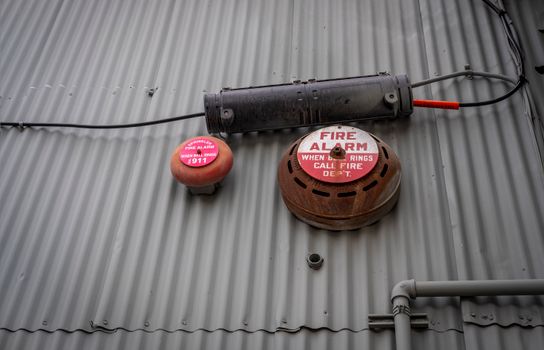
Photo by David McElwee / Pexels
Electrical Fires
Photo by David McElwee / Pexels
Fuel: Wiring, circuit breakers, appliances, computers
Extinguisher: CO2 or dry chemical (non-conductive)
How it works: Non-conductive agent displaces oxygen
Warning: Never use water on electrical fires
Combustible Metals
Fuel: Magnesium, titanium, sodium, lithium, potassium
Extinguisher: Dry powder (specific to metal type)
How it works: Smothers and absorbs heat
Common locations: Laboratories, manufacturing plants
Cooking Oils & Fats
Fuel: Vegetable oils, animal fats, cooking grease
Extinguisher: Wet chemical (potassium acetate)
How it works: Creates a foam blanket, cools and smothers
Common locations: Commercial kitchens, restaurants
P.A.S.S. Technique
| Class | Water | Foam | CO2 | Dry Chemical | Wet Chemical |
|---|---|---|---|---|---|
| A - Ordinary | ✅ | ✅ | ✅ | ||
| B - Liquids | ❌ | ✅ | ✅ | ✅ | |
| C - Electrical | ❌ | ❌ | ✅ | ✅ | |
| D - Metals | ❌ | ❌ | ❌ | Special | |
| K - Cooking | ❌ | ❌ | ❌ | ✅ |
Further reading
Complete guide to fire extinguisher types A, B, C, D, and K. Learn which extinguisher to use for each fire class.
Related tools
What this page assumes, and where it stops
Jurisdiction
United States codes and agency guidance. Local codes may be stricter.
Assumptions
- Only what you enter on this page is used. Personal circumstances, exemptions, and special cases are not applied.
- Results are estimates for orientation, not determinations.
- Everything runs in your browser. Nothing you type is sent to a server.
Where you should not rely on this
This is general guidance and does not replace training, local codes, or professional judgment. In an emergency, get to safety and call your local emergency number first. Work that touches wiring, gas, or structure should be done or inspected by a licensed professional.
Official sources
Page reviewed 2026-09-04 · rules current as of that review were not independently verified against every jurisdiction · next review scheduled annually
Frequently asked questions
What do the letters on an extinguisher mean?
They are the fire classes the extinguisher is rated for. Putting the wrong class on a fire can make it worse — water on a grease fire spreads it, and water on live electrical equipment is a shock risk. Match the letter to what is actually burning before anything else.
How do I actually use one?
Pull the pin, aim at the base of the fire rather than the flames, squeeze the handle, and sweep side to side. Aiming high is the common mistake: the flames are not the fuel, so the agent has to reach what is burning.
When should I not fight the fire at all?
If the fire is bigger than you are, if it is between you and the exit, if the room is filling with smoke, or if you are not sure of the class. A portable extinguisher holds seconds of agent, not minutes. Leaving and calling the fire service is the correct answer more often than people expect.