What "Gut Health Food" Means in Practice
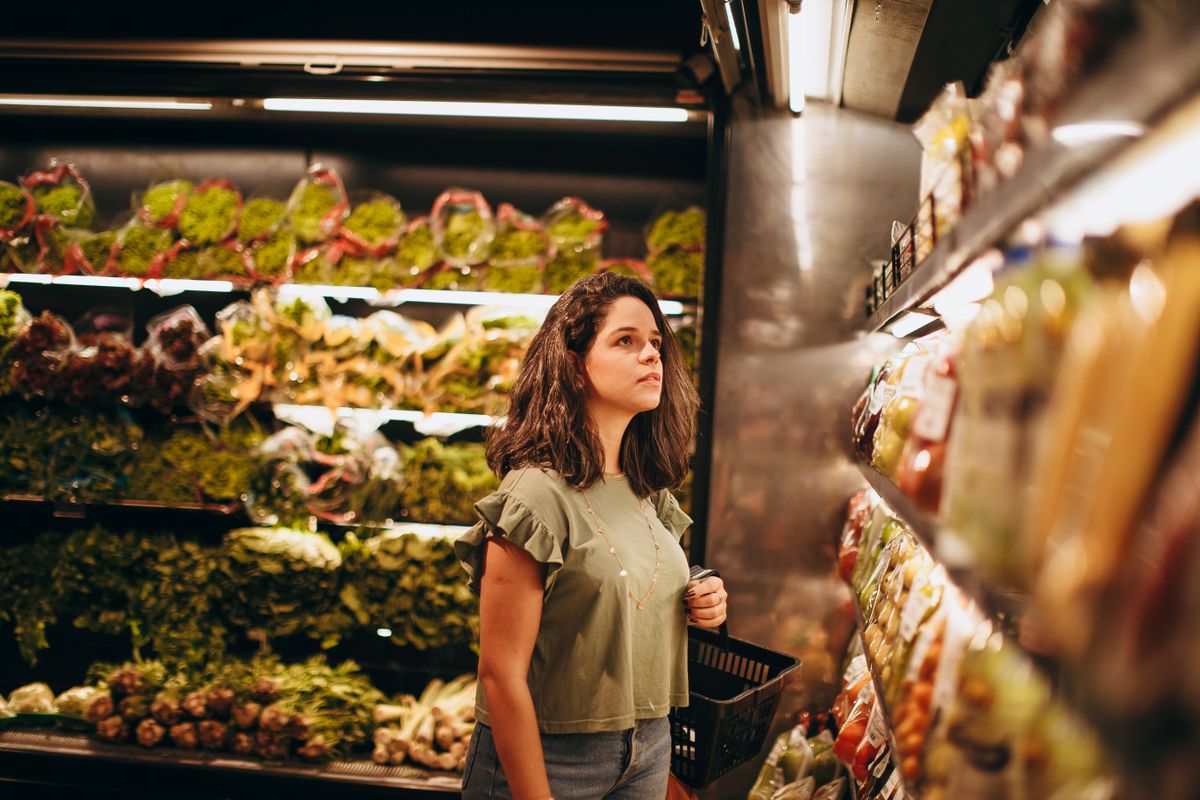
The foods with the best support for gut health are ordinary ones: fiber-rich plants such as beans, lentils, oats, whole grains, vegetables and fruit, plus fermented foods such as yogurt and kefir — and most of them are among the cheaper items in a grocery store. MedlinePlus explains that there are two types of dietary fiber, soluble and insoluble, and that both are important for health and digestion: soluble fiber turns to gel and slows digestion, while insoluble fiber adds bulk to stool and helps food pass more quickly through the intestines (MedlinePlus, Soluble vs. insoluble fiber, editorial update September 15, 2026). The National Center for Complementary and Integrative Health describes probiotics as live microorganisms intended to have health benefits, found in yogurt and other fermented foods as well as supplements, and prebiotics as nondigestible food components that selectively stimulate helpful microorganisms (NCCIH, Probiotics: Usefulness and Safety). This guide ranks common gut-friendly foods by how much they provide and what they typically cost, and shows how to estimate your own weekly cost.
This is general information, not medical advice. People with digestive conditions should follow their clinician's guidance.
The Ranking
Foods are ranked by how much fiber variety or live cultures they add for typical portions, with a relative cost tier based on shelf-stable or common grocery forms. Prices vary by store, region and season, so use the method in the next section to put your own numbers on them.
| Rank | Food | What it adds | Relative cost |
|---|---|---|---|
| 1 | Beans and lentils (dried or canned) | Soluble and insoluble fiber | Lower |
| 2 | Oats and barley | Soluble fiber | Lower |
| 3 | Whole grains (brown rice, whole-wheat bread and pasta) | Insoluble fiber | Lower |
| 4 | Vegetables, including frozen | Mixed fiber and plant variety | Lower to moderate |
| 5 | Fruit, including frozen | Mixed fiber | Lower to moderate |
| 6 | Plain yogurt and kefir with live cultures | Live microorganisms | Moderate |
| 7 | Nuts and seeds | Soluble fiber, healthy fats | Moderate to higher |
| 8 | Fermented vegetables (sauerkraut, kimchi) sold refrigerated | Live cultures when unpasteurized | Moderate to higher |
MedlinePlus lists oat bran, barley, nuts, seeds, beans, lentils, peas and some fruits and vegetables as sources of soluble fiber, and wheat bran, vegetables and whole grains as sources of insoluble fiber. It notes research showing soluble fiber helps lower cholesterol, which may help prevent heart disease.
How to Estimate Your Weekly Cost
- Pick your portions for the week — for example, how many servings of beans, oats, vegetables, fruit and yogurt you plan to eat.
- Use unit prices. Shelf tags show price per ounce or pound; multiply by the amount you will use.
- Choose cheaper forms. Dried beans cost less per serving than canned; frozen fruit and vegetables are often cheaper than fresh out of season and reduce waste.
- Buy plain, then flavor. Plain yogurt in large tubs typically costs less per serving than single-serve flavored cups, which also add sugar.
- Add it up and compare with what you currently spend on the foods these replace.
Because the top-ranked foods are staples, many households find a fiber-rich diet costs about the same as, or less than, a diet built on processed snacks and meat-heavy meals.
Fermented Foods and Probiotic Supplements
NCCIH notes that the most common probiotic bacteria belong to the Lactobacillus and Bifidobacterium groups, and that different types may have different effects — benefits shown for one strain do not necessarily apply to another. It says probiotics have an extensive history of apparently safe use, particularly in healthy people, but that few studies have examined safety in detail. NCCIH also reports that cases of severe or fatal infections have occurred in premature infants given probiotics, and that people with serious medical problems are at higher risk from infections. Talk with a health care provider before giving probiotic supplements to infants or using them if you have a weakened immune system.
On regulation, NCCIH explains that many probiotics are sold as dietary supplements, which do not require FDA approval before marketing, and that their labels may make structure-or-function claims but not claims to treat or prevent disease. Food sources such as yogurt and kefir labeled with live and active cultures are a simple way to include fermented foods.

Fitting Gut-Friendly Foods Into Meals
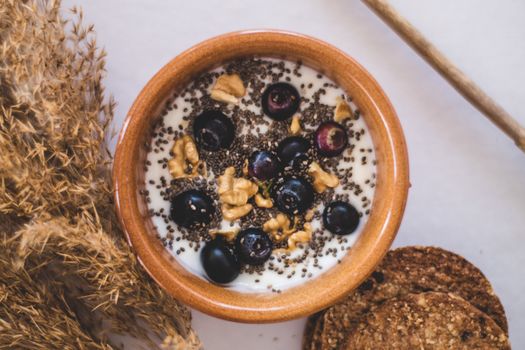
- Breakfast: oatmeal with fruit and seeds, or plain yogurt with berries.
- Lunch: a grain bowl with beans, vegetables and a spoon of sauerkraut or kimchi.
- Dinner: lentil soup, bean chili, or stir-fried vegetables with brown rice.
- Snacks: fruit, a handful of nuts, or kefir.
Increase fiber gradually and drink enough water; a sudden large increase can cause gas and bloating while your digestive system adjusts.
Variety Matters More Than Any Single Food
No single "superfood" transforms gut health. Eating a range of plant foods across the week — different beans, grains, vegetables, fruits, nuts and seeds — provides a mix of fibers. Rotating what you buy also helps with cost, since you can choose whatever is on sale.

Who Should Be Careful
- People with irritable bowel syndrome, inflammatory bowel disease or other digestive conditions, who may need individualized advice about fiber types.
- Anyone with a weakened immune system considering probiotic supplements.
- People taking medicines that interact with high-fiber supplements; ask a pharmacist about timing.
A Simple Weekly Shopping List
- One or two bags of dried beans or lentils, or several cans.
- A large container of rolled oats.
- Brown rice, whole-wheat pasta or another whole grain.
- Frozen mixed vegetables and frozen berries, plus whatever fresh produce is in season or on sale.
- A large tub of plain yogurt or a bottle of kefir labeled with live and active cultures.
- A small bag of nuts or seeds.
Rotate the specific beans, grains and vegetables each week to add variety without raising the bill.
Frequently Asked Questions
What is the cheapest way to eat for gut health?
Build meals around dried or canned beans, lentils, oats, whole grains and frozen vegetables and fruit, which are among the lowest-cost foods per serving.
Do I need a probiotic supplement?
Not necessarily. NCCIH notes that effects differ by strain and that much remains to be learned. Fermented foods are a food-based option; ask a provider before using supplements.
What is the difference between prebiotics and probiotics?
NCCIH describes probiotics as live microorganisms and prebiotics as nondigestible food components that stimulate helpful microorganisms.
How fast should I increase fiber?
Gradually, over a few weeks, with plenty of fluids.
Key Takeaways
- Beans, lentils, oats, whole grains, vegetables and fruit lead the ranking — and are low cost.
- Yogurt, kefir and fermented vegetables add live cultures.
- Estimate weekly cost with unit prices and cheaper forms such as dried and frozen.
- Be cautious with probiotic supplements for infants and people with weakened immunity.
Sources and References
- MedlinePlus (U.S. National Library of Medicine), Soluble vs. insoluble fiber (editorial update September 15, 2026; read October 9, 2026).
- National Center for Complementary and Integrative Health, Probiotics: Usefulness and Safety (read October 9, 2026).