Carpal Tunnel Syndrome Exercises Relief Methods
Carpal tunnel syndrome happens when there is excessive pressure on the median nerve at the wrist, the nerve that gives feeling and movement to the thumb side of the hand. MedlinePlus describes typical symptoms as numbness or tingling in the thumb and the next two or three fingers of one or both hands, numbness or tingling of the palm, pain in the wrist or hand, weakness or a weak grip, and, in advanced or long-term cases, wasting of the muscle under the thumb (MedlinePlus, Carpal tunnel syndrome, review date June 4, 2025). This guide covers what helps at home, how exercises fit in, when splints, medicines or injections are used, and when surgery is considered.
What Causes It?
MedlinePlus explains that the carpal tunnel is a narrow passage at the wrist and that the condition can be caused by making the same hand and wrist motion over and over, or by using vibrating hand tools such as drills. It also notes that studies have not proved that carpal tunnel is caused by typing, using a mouse, or repetitive movements at work, music or sports, although these activities may cause tendinitis or bursitis in the hand. Other possible contributors include wrist fractures and arthritis and cysts or tumors in the wrist.
First-Line Relief at Home and at Work
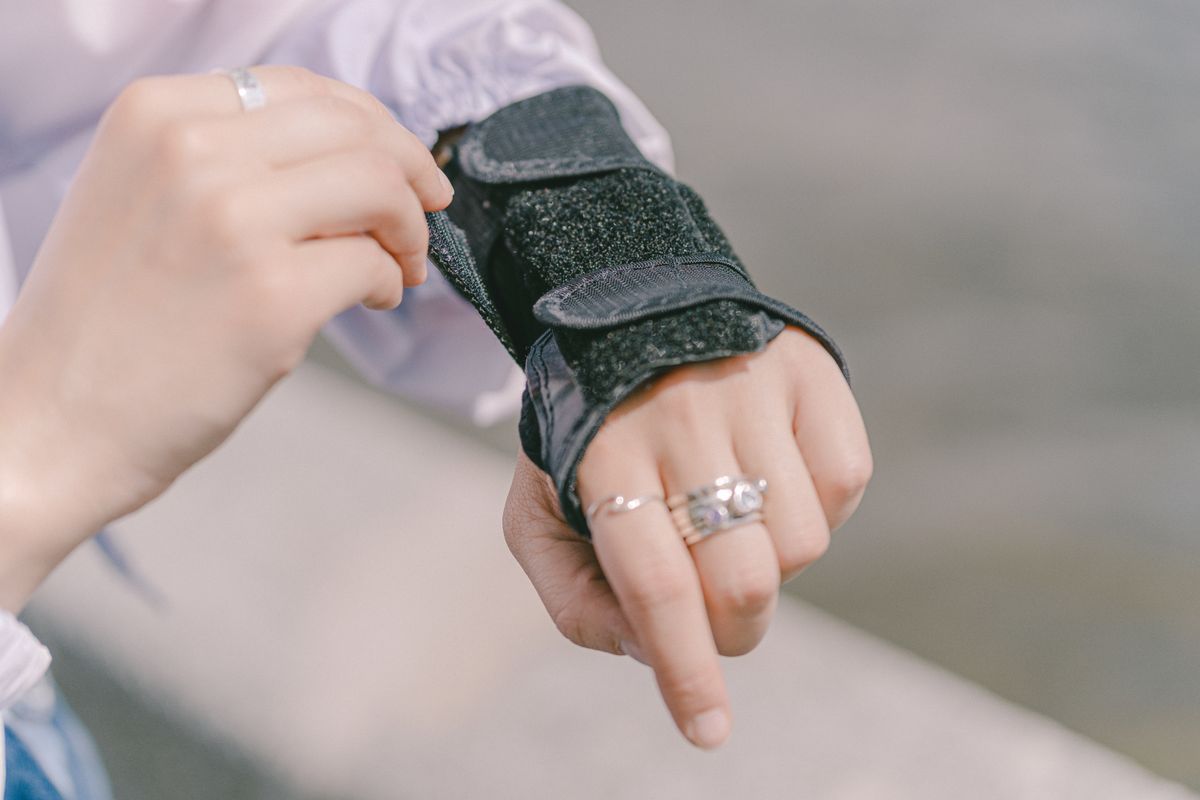
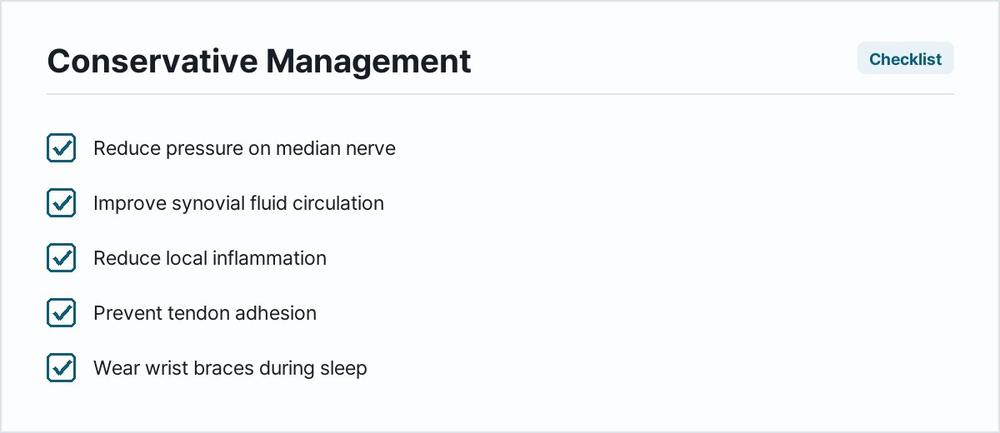
- Night splint. MedlinePlus advises wearing a wrist splint at night for several weeks; if that does not help, it may be needed during the day as well. A splint keeps the wrist straight, which reduces pressure on the nerve.
- Workstation setup. MedlinePlus suggests having someone review your position during work, for example making sure the keyboard is low enough that your wrists are not bent upward while typing.
- Activity changes. Changes to work duties or home and sports activities can help, particularly for jobs involving vibrating tools.
- Breaks. Pause regularly from repetitive hand tasks and relax your grip.
What Are the Most Effective Exercises for Relief?
Gentle exercises are often suggested by therapists to keep the wrist and fingers mobile. Evidence on how much exercises alone help is mixed, so treat them as part of a plan with a splint and activity changes, and stop any exercise that increases numbness or pain. A hand therapist or physical therapist can tailor a program.
- Wrist neutral holds. Rest the forearm on a table and hold the wrist straight, relaxing the fingers.
- Tendon glides. Move the fingers slowly through a sequence: straight, hook fist, full fist, tabletop, and straight fist, keeping the motion gentle.
- Median nerve glides. Done slowly and without forcing, as taught by a therapist, to help the nerve move smoothly. Do not push into tingling.
- Gentle wrist stretches. With the arm straight, gently bend the wrist back and then forward using the other hand, holding briefly without pain.
- Shoulder and neck movement. Rolling the shoulders and changing posture helps if you sit for long periods.
Medicines and Injections
MedlinePlus lists nonsteroidal anti-inflammatory drugs (NSAIDs) such as ibuprofen or naproxen, and corticosteroid injections into the carpal tunnel area, as medicines used for carpal tunnel syndrome. Check with a provider or pharmacist before taking NSAIDs regularly, especially if you have stomach, kidney or heart conditions or take blood thinners.
When Is Surgery Necessary?
MedlinePlus explains that carpal tunnel release is a surgical procedure that cuts into the ligament pressing on the nerve, that surgery is successful most of the time depending on how long the nerve has been compressed and how severe it is, and that full healing can take months even when surgery succeeds. It also notes that symptoms often improve without surgery, but that more than one half of cases eventually need surgery. MedlinePlus advises contacting a provider if symptoms do not respond to regular treatment such as rest and anti-inflammatory medicines, or if there seems to be a loss of muscle bulk around the fingers.
How Is It Diagnosed?
A provider examines the hand and wrist. MedlinePlus describes findings such as numbness in the thumb side of the hand, a weak grip, and the Tinel sign, where tapping over the median nerve at the wrist sends pain shooting into the hand. Nerve conduction tests and electromyography may be used to confirm the diagnosis and measure severity.
Treatment Costs to Check
Costs depend on the treatment and your insurance. Splints and over-the-counter medicines are inexpensive; therapy visits, injections, nerve tests and surgery vary widely by provider and coverage. Ask your insurer what is covered, whether you need a referral, and what your share will be before booking.
Comparison: Treatment Options
| Option | When it is used | Notes |
|---|---|---|
| Night wrist splint | Early, mild to moderate symptoms | MedlinePlus: wear at night for several weeks |
| Workstation and activity changes | All stages | Keep wrists straight; reduce vibrating tool use |
| Exercises and hand therapy | Alongside other measures | Stop if symptoms worsen |
| NSAIDs or corticosteroid injection | Symptoms despite splinting | Discuss risks with a provider |
| Carpal tunnel release surgery | Persistent or severe symptoms, muscle loss | Full healing can take months |
How long do carpal tunnel exercises take to show relief?
Responses vary. If symptoms are not improving with a splint and activity changes after several weeks, see a provider.
Can carpal tunnel syndrome be cured with exercises alone?
Exercises may help mild symptoms as part of a plan, but MedlinePlus notes that many cases eventually need surgery. Persistent numbness or weakness should be evaluated.
Are there specific times of day to do these exercises?
Short sessions spread through the day, especially during breaks from repetitive tasks, are usually easier to keep up than one long session.
What equipment do I need?
Usually just a wrist splint. A therapist may suggest simple tools such as putty or a soft ball for later stages.
Everyday Habits That Ease Symptoms
Small changes during the day can reduce pressure on the median nerve. Keep your wrists straight rather than bent up or down when typing, using a phone or holding tools. Use a lighter grip on pens, steering wheels and tools, and switch hands where you can. Take short breaks from repetitive tasks to shake out and gently move your hands. Keep your hands warm, since cold can make stiffness and pain worse. At night, avoid sleeping with your wrists curled under your body or pillow; a splint helps keep them straight. If symptoms wake you, shaking or hanging the hand may bring temporary relief, but frequent night waking is a reason to see a provider.
Key Takeaways
- Carpal tunnel syndrome is pressure on the median nerve at the wrist.
- A night splint, workstation changes and breaks are first steps.
- Exercises can be part of care; stop if they increase symptoms.
- See a provider for persistent symptoms, weakness or muscle loss under the thumb.
Sources and References
- MedlinePlus (U.S. National Library of Medicine), Carpal tunnel syndrome (review date June 4, 2025; read October 9, 2026).