How to Lower Blood Sugar Safely
There is no safe "quick fix" for high blood sugar at home; what reliably lowers it is the plan agreed with your health care team: medicine if prescribed, physical activity, meal choices, and monitoring. This guide explains what the U.S. National Institute of Diabetes and Digestive and Kidney Diseases (NIDDK) and MedlinePlus recommend, how to respond when a reading is high, and the warning signs that need medical care. It is general information for people with diabetes or prediabetes and does not replace advice from your own doctor, especially on medicine doses.
First: When a High Reading Needs Medical Help
MedlinePlus lists symptoms of high blood sugar such as being very thirsty or having a dry mouth and needing to urinate a lot, including getting up more often at night. It advises that if you have type 2 diabetes and your blood sugar has been higher than your goals for 3 days without a known reason, you should check your urine for ketones; for type 1 diabetes, the time frame is 6 hours. If you have ketones, contact your provider or seek emergency medical care (MedlinePlus, High blood sugar – self-care, review date January 25, 2026). MedlinePlus also advises contacting your provider if your blood sugar is too high or too low and you do not understand why. If you feel very unwell, are vomiting or confused, or have trouble breathing, get emergency care.
Physical Activity
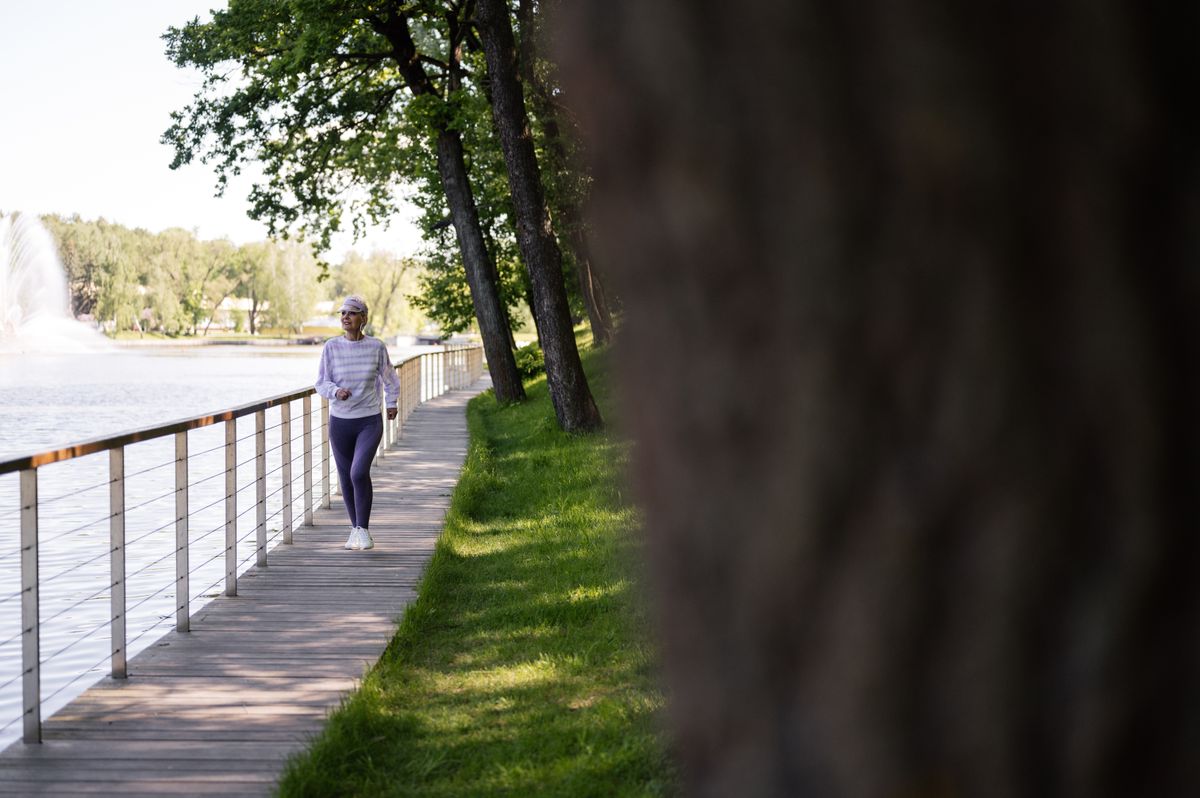
NIDDK says physical activity may help lower blood glucose, blood pressure and cholesterol, and suggests aiming for at least 150 minutes of moderate-intensity activity, such as brisk walking, each week (NIDDK, Managing Diabetes, last reviewed October 2023). A short walk after a meal is an easy habit to build. If you use insulin or certain diabetes pills that can cause low blood sugar, check with your care team about exercise timing and snacks, and do not exercise when ketones are present.
Hydration
Drinking water helps replace fluids lost when blood sugar is high and you urinate more. Choose water or other unsweetened drinks rather than juice, regular soda or sweetened coffee drinks, which add sugar. Water supports the body but does not replace medicine or a care plan.
What You Eat
NIDDK encourages working with your health care team on a healthy meal plan, noting that you can still eat favorite foods, perhaps in smaller portions or less often. Practical steps include:
- Pairing carbohydrates with protein, healthy fats and fiber.
- Choosing whole grains, beans, vegetables and fruit over refined grains and sweets.
- Keeping portions of starchy foods consistent from meal to meal.
- Reading food labels for total carbohydrate.
- Limiting sugary drinks.
A registered dietitian or diabetes educator can build a plan that fits your medicines, culture and schedule. Ask whether your plan or insurance covers diabetes self-management education.
Sleep and Stress
NIDDK notes that getting enough sleep may improve mood, energy and blood glucose, and that most adults should aim for about 7 to 8 hours a night. Stress hormones can raise blood sugar, so stress management such as regular activity, relaxation techniques and support from friends or professionals is part of diabetes care, not an extra.
Monitoring: Know Your Numbers
NIDDK describes the diabetes ABCs: A1C, blood pressure, cholesterol, and stopping smoking. The A1C test shows your average blood glucose over the last 3 months; NIDDK says that for most people with diabetes the goal is an A1C below 7%, while noting that your goal may be different. Day to day, your care team may ask you to check blood glucose with a meter or a continuous glucose monitor. Write down readings along with meals, activity and medicine, so patterns are easy to spot at appointments.
Monitoring supplies and costs
Costs for meters, test strips and continuous glucose monitors depend on the device, your prescription and your insurance or Medicare coverage. Ask your pharmacist and insurer what is covered before choosing a device, and ask your care team whether a continuous monitor is appropriate for you.
About Supplements and "Natural" Remedies
Products such as cinnamon, vinegar or herbal supplements are often promoted for lowering blood sugar. Evidence is limited, and some products can interact with diabetes medicines or cause low blood sugar when combined with them. Tell your care team about any supplement you take. Never stop or reduce prescribed medicine on your own.
Medicines
Many people need medicine, including insulin or diabetes pills, to reach their targets. Take it as prescribed, and ask your care team what to do if you miss a dose or are sick. Illness can raise blood sugar even if you are eating less; your provider can give you a sick-day plan.
Comparison: Everyday Ways to Support Healthy Blood Sugar
| Step | What it does | Note |
|---|---|---|
| Medicine as prescribed | Directly lowers glucose | Follow your provider's plan |
| Physical activity | Helps muscles use glucose | NIDDK: at least 150 minutes a week of moderate activity |
| Meal plan | Reduces spikes after meals | Work with a dietitian or educator |
| Water instead of sugary drinks | Avoids extra sugar, supports hydration | Not a treatment by itself |
| Sleep and stress management | Can improve glucose control | NIDDK: about 7 to 8 hours for most adults |
| Monitoring | Shows what is working | Share logs with your care team |
Building a Routine That Lasts
Blood sugar responds best to steady habits rather than occasional big efforts. Try to eat at roughly the same times each day, keep portions of starchy foods consistent, and plan movement into your day, such as walking after the largest meal. Keep a simple log of meals, activity, medicines and readings for two weeks before your next appointment; patterns are much easier to discuss when they are written down. If you have trouble affording medicines or supplies, tell your care team, since there may be lower-cost options or assistance programs. Diabetes self-management education programs teach these skills in a structured way and often include family members.
Frequently Asked Questions
Can drinking water lower blood sugar immediately?
Water helps with hydration when blood sugar is high, but it is not a substitute for medicine or a care plan. If readings stay high, follow MedlinePlus's advice on checking ketones and contacting your provider.
How quickly does exercise reduce high blood sugar?
Activity often lowers blood sugar, but the effect varies. Check with your care team, and avoid exercise if ketones are present.
Does vinegar or cinnamon lower blood sugar?
Evidence is limited. Talk to your care team before using supplements, especially with diabetes medicines.
What A1C should I aim for?
NIDDK says the goal for most people with diabetes is below 7%, but your goal may differ. Ask your provider.
Key Takeaways
- Follow your care plan; there is no safe home shortcut for high blood sugar.
- Know when to check ketones and seek care.
- Be active, choose water over sugary drinks, sleep well and manage stress.
- Monitor and share your readings with your care team.
Sources and References
- NIDDK, Managing Diabetes (last reviewed October 2023; read October 9, 2026).
- MedlinePlus, High blood sugar – self-care (review date January 25, 2026; read October 9, 2026).