How Credit Card Rewards Really Work
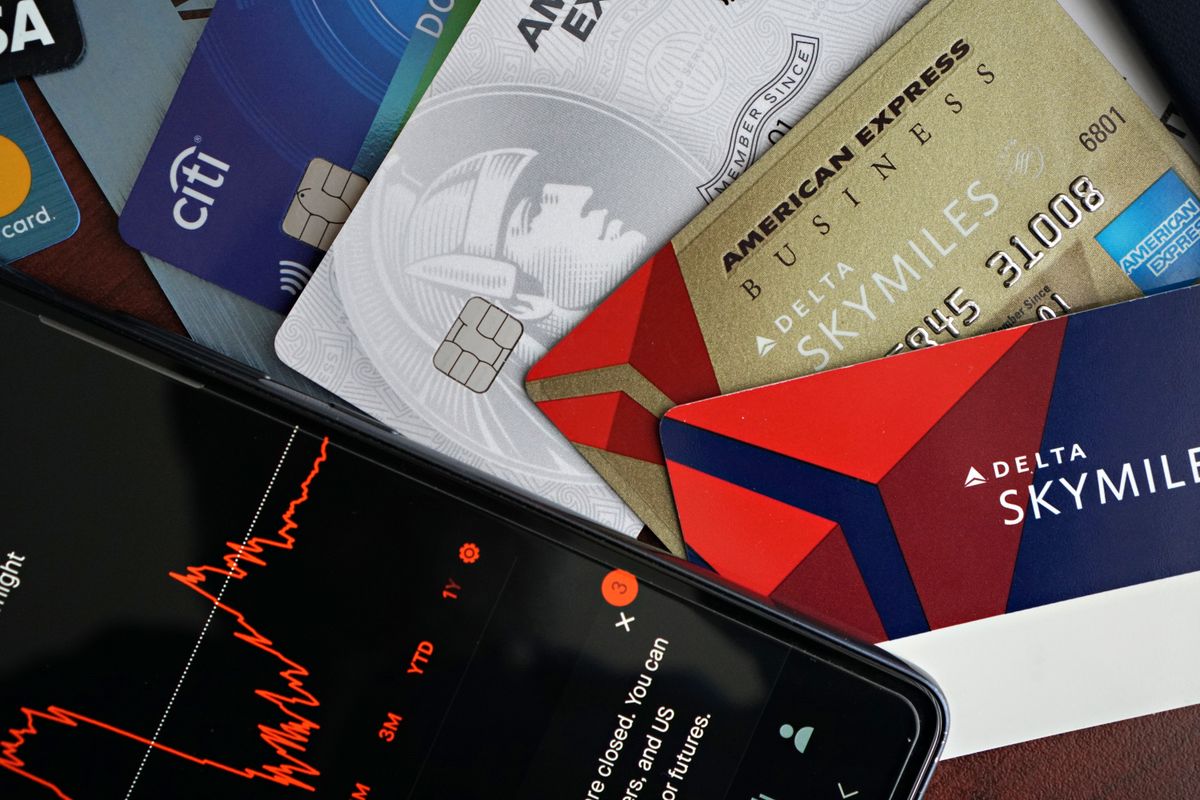
Credit card rewards are worth having only when you pay your balance in full every month; interest and fees can wipe out the value of points almost immediately. Rewards are funded mainly by the fees merchants pay when you use the card, by annual fees, and, for cardholders who carry a balance, by interest. The Consumer Financial Protection Bureau notes that on most cards you can avoid paying interest on purchases if you pay your balance in full by the due date each month (CFPB, Credit cards key terms). Everything else in this guide — choosing categories, redeeming well, weighing annual fees — builds on that rule.
This article explains the main types of rewards programs, how to match a card to your actual spending, how to judge what a point is worth, and the mistakes that turn rewards into a net cost. It does not rank specific cards, because offers, earning rates and fees change often; always read the current terms before applying.
The Three Main Types of Rewards
- Cash back. You earn a share of spending back as a statement credit, deposit or check. Some cards pay a flat rate on everything; others pay more in rotating or fixed categories such as groceries, fuel or dining. Cash back is the easiest to value: what you see is what you get.
- Bank points. Points earned with a card issuer's own program can usually be redeemed for travel booked through the issuer, statement credits, gift cards, or transfers to airline and hotel partners. Their value depends heavily on how you redeem them.
- Co-branded miles and points. Cards tied to one airline or hotel chain earn that brand's currency and often include perks such as checked bags or free nights. They suit people loyal to that brand and are less flexible for everyone else.
Step 1: Start From Your Own Spending
Pull a few months of statements and total your spending by category: groceries, dining, fuel, travel, bills, everything else. Rewards marketing emphasizes bonus categories, but what matters is where your money actually goes. A card that pays extra on travel is of limited use to someone who rarely travels, while a flat-rate card can beat a category card for people whose spending is spread out.
A simple estimate: multiply each category total by the card's earning rate, add the results, and subtract the annual fee. Do this for two or three cards you are considering, using the rates in their current terms. Count only the perks you would have paid for anyway.
Step 2: Weigh the Annual Fee Honestly
Cards with annual fees often offer higher earning rates, travel credits and lounge access. They are worthwhile only if the rewards and benefits you would actually use exceed the fee. Credits that require spending at specific merchants or within narrow time windows are worth less than their face value if they push you to buy things you would not otherwise buy. Review the decision every year when the fee posts; many issuers allow you to change to a no-fee card in the same family without closing the account.
Step 3: Understand What a Point Is Worth
A point has no fixed value. The same balance can be worth more when transferred to a travel partner for a high-priced flight than when redeemed for gift cards or merchandise. Before redeeming, compare the cash price of what you are booking with the number of points required, and compare that with the cash-back or statement-credit option. Partner transfers are generally one-way, so confirm availability before you move points. Program rules, partners and transfer ratios can change, sometimes with little notice, which is one reason not to hoard points for years.
Step 4: Sign-Up Bonuses Without Overspending

Welcome bonuses usually require a certain amount of spending within the first few months. They can be valuable if you can meet the requirement with purchases you would make anyway, such as planned bills. They are a poor deal if they lead you to spend more than usual or to carry a balance. Each application can also lead to a hard inquiry on your credit report, so space out applications, particularly before applying for a mortgage or car loan.
Step 5: Read the Terms That Can Cost You
The CFPB explains that a cardholder agreement sets out the card's fees, your liability for unauthorized transactions and its annual percentage rate, and that you can find agreements on the issuer's website or in the CFPB's Credit Card Agreement Database. Terms worth checking:
- APR. The CFPB describes the APR as the standard way to compare what borrowing costs; on a card it is the yearly interest rate applied to balances you carry.
- Grace period. The time between the end of a billing cycle and the payment due date, during which you may avoid interest by paying in full. The CFPB notes card companies are not required to offer one, though most do on purchases.
- Penalty pricing. The CFPB notes that being more than 60 days late can allow the issuer to raise your interest rate on all balances.
- Foreign transaction fees if you travel or shop from merchants abroad.
- Rewards forfeiture rules, such as losing points when an account is closed or becomes delinquent.
Common Mistakes

- Carrying a balance to earn rewards. Interest charges typically far exceed the rewards earned on the same purchases.
- Spending more to earn more. Rewards are a small rebate; extra spending is a full-price cost.
- Ignoring expiration and devaluation. Redeem regularly rather than letting a large balance sit.
- Too many cards to track. Missed payments cost more than any reward.
- Overvaluing perks. A benefit is worth only what you would have paid for it yourself.
A Simple Setup That Works for Most People
- One no-fee card with a solid flat rate for everything.
- Optionally, one card that pays more in your single largest spending category.
- Autopay for the full statement balance on every card.
- A reminder each year to review fees and whether each card still earns its place.
Comparing Rewards Types
| Type | Best for | Main drawback |
|---|---|---|
| Flat-rate cash back | Simplicity, spread-out spending | Lower ceiling on value |
| Category cash back | Heavy spending in one or two areas | Tracking categories and caps |
| Bank points | Flexible travelers willing to research | Value varies widely by redemption |
| Co-branded miles | Loyal customers of one airline or hotel | Least flexible currency |
Frequently Asked Questions
Do rewards cards hurt your credit score?
Applying can add a hard inquiry, and a new account lowers the average age of your accounts. Paying on time and keeping balances low matter much more over time.
Are credit card rewards taxable?
Rewards earned from spending are generally treated as rebates rather than income, but bonuses paid without a spending requirement can be treated differently. Check with a tax professional if you receive one.
Should I close a card I no longer use?
Closing a card can reduce your available credit and affect your utilization. If there is no annual fee, keeping it open and using it occasionally is often simpler; redeem its points before closing.
Is cash back or travel points better?
Cash back is simpler and predictable. Points can be worth more for people who travel and are willing to compare redemptions.
Key Takeaways
- Pay in full every month; otherwise rewards rarely make sense.
- Choose cards from your own spending, not from marketing categories.
- Value points by comparing redemptions to cash prices.
- Read the cardholder agreement for APR, grace period and penalty terms.
Sources and References
- Consumer Financial Protection Bureau, Credit cards key terms — APR, grace period, cardholder agreement, 60-day late penalty (page last modified December 28, 2022; read October 9, 2026).
Disclaimer
This article is general information, not financial, tax or legal advice. Rules, rates and eligibility change and depend on where a reader lives and on their own situation. Figures here are illustrative; confirm current terms with the provider or agency involved, and consult a licensed professional before acting on a decision that carries real money.