This reflects recent reporting; pricing and availability may change.
Introduction to Apple's First Foldable Entry
For years, consumers and tech enthusiasts have watched Samsung dominate the foldable smartphone market. That era of unilateral leadership faced a direct challenge when Apple made its official entrance into the foldable category. As covered widely in global reporting, Apple unveiled its first foldable smartphone, named the iPhone Duo, during an announcement of new products on Wednesday, Sept. 9, 2026, on the Apple campus. Greg Joswiak, Apple's senior vice president of worldwide marketing, had previously signaled the impending arrival of Apple's new hardware product lineup. With the iPhone Duo now out in the open, the mobile industry is witnessing a high-stakes clash between Apple and Samsung, the reigning market leader.
This deep dive examines everything reported about the iPhone Duo. We will look at its form factor, hinge construction, physical dimensions, confirmed chip and durability specs, and a sprawling price discrepancy across international markets. On top of that, we will measure it directly against Samsung’s Galaxy Z Fold 8, analyze where traditional bar phones like the Galaxy S26 family still make more sense, break down specific buyer scenarios, and review the preorder and release timing data provided in recent news.
Form Factor, Hinge, and Crease Dynamics
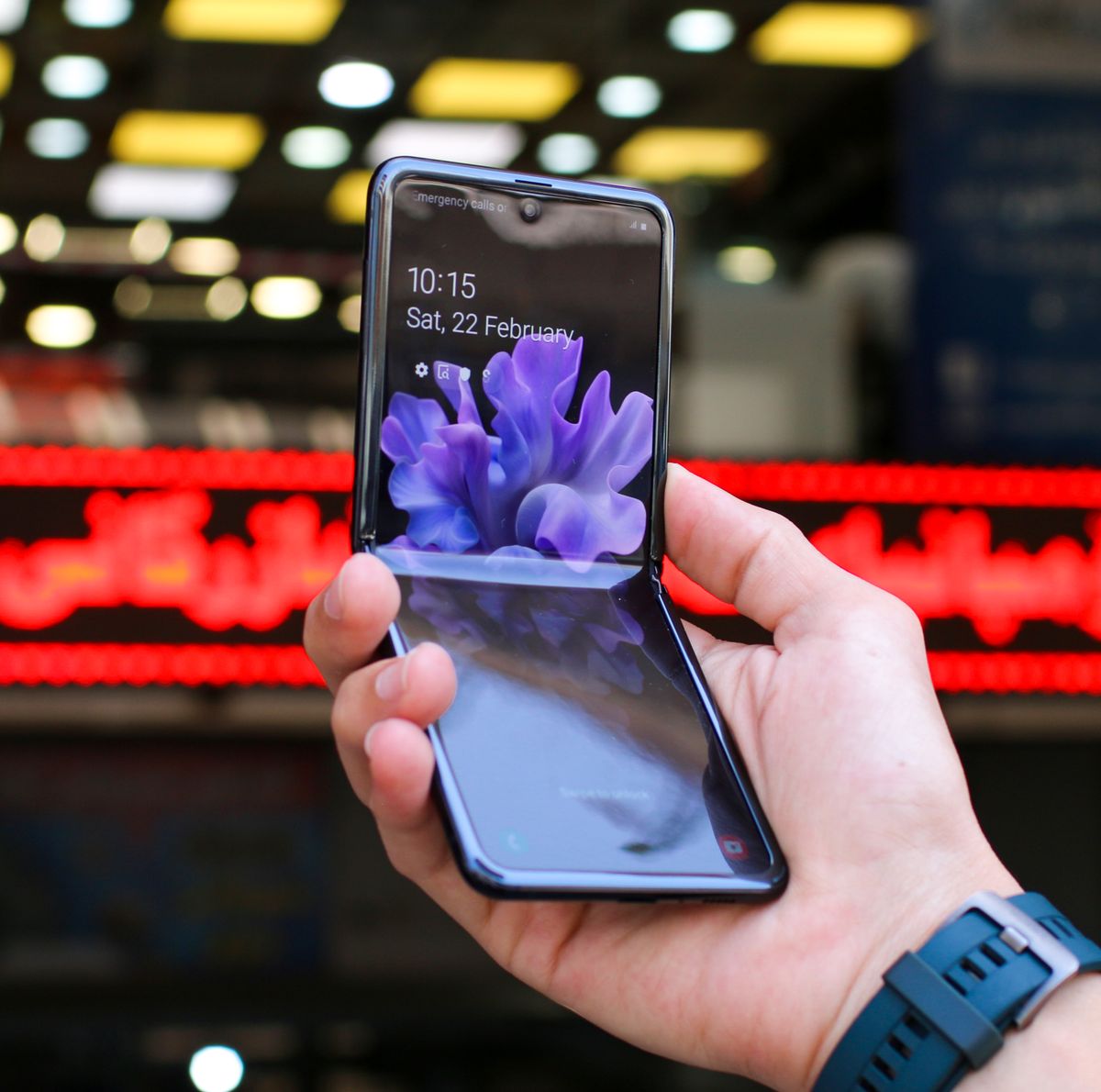
When placing the iPhone Duo side-by-side with competing devices, the physical shape immediately draws attention. According to reporting from major news outlets, the iPhone Duo shares a remarkably similar form factor with the Samsung Galaxy Z Fold 8, adopting a 7.6-inch passport-style display specification. Both phones are engineered to fold open into a tablet-sized workspace while remaining usable on the outer cover display.
Yet the execution of the folding mechanism and the physical properties of the display panel differ notably. Reporting indicates that the iPhone Duo succeeds in lessening the awkwardness of the crease in the folding area compared to older market offerings. Apple's engineering approach to the hinge appears focused on structural integrity and minimizing visual and tactile interruptions across the folding OLED screen. Core parts analysis from reporting highlights that organic light-emitting diode (OLED) technology forms the backbone of these internal folding panels, yet the physical presence of the crease and the smoothness of the hinge action remain key points of differentiation when handled in everyday use.
Weight, Thickness, and Daily Usability Trade-offs

For any buyer transitioning from a traditional bar phone to a foldable, weight and thickness dictate whether the device is comfortable to carry all day. Here, the reporting reveals a distinct gap between the two heavyweights. The iPhone Duo has been documented by financial and tech press as being noticeably heavier than its primary rival.
Specifically, reporting points out that the iPhone Duo is 53 grams heavier than the Samsung Galaxy Z Fold 8. Samsung's counterpart boasts a slim 201-gram design, making the Galaxy Z Fold 8 significantly lighter in the hand. The extra weight and differing thickness parameters of the iPhone Duo mean that users will feel a more substantial pocket footprint. For daily commuters, frequent travelers, and one-handed texters, a 53-gram deficit is not trivial; it impacts wrist fatigue over prolonged reading and viewing sessions. Buyers must weigh whether Apple's software ecosystem and hardware finishes compensate for carrying a heavier piece of hardware throughout the day.
Confirmed Hardware Specs: IP68 and Advanced Processing
Beyond the folding mechanism, a flagship device lives and dies by its durability ratings and silicon performance. Confirmed reporting outlines key technical pillars for the iPhone Duo and its contemporaries:
- Durability: The iPhone Duo comes with an official IP68 water and dust resistance rating, matching top-tier industry standards for protection against the elements.
- Processor Architecture: The iPhone Duo is powered by an advanced 2-nanometer application processor (AP) process, positioning it at the absolute cutting edge of semiconductor manufacturing.
- Display Metrics: Both the iPhone Duo and the Galaxy Z Fold 8 use a 7.6-inch folding layout, though direct pixel-level calibration details are not yet reported.
- Camera Systems: Specific multi-lens array breakdowns for the iPhone Duo folding chassis are not yet reported in full detail.
These confirmed specifications show that Apple did not compromise on core technological foundations. Integrating a 2-nanometer chip process into a novel folding chassis requires immense thermal and spatial engineering, while maintaining an IP68 rating assures users that durability has not been sacrificed for the sake of a flexible display.
Price Structure and International Disparities
Perhaps the most shocking element of the iPhone Duo's debut is its aggressive pricing structure. Reporting across multiple outlets confirms that the iPhone Duo crosses a psychological threshold, with prices starting well above the three-million-won mark in South Korea and showing wild divergence across global regions.
In South Korea, the iPhone Duo starts at an eye-watering 3.29 million won. When compared to the Samsung Galaxy Z Fold 8, the iPhone Duo commands a price premium of roughly 1 million won more. For the highest tier storage option, the 2TB model of the iPhone Duo reaches 509 million won—wait, reporting clarifies that the top 2TB model reaches 5.09 million won, marking the first time a standard consumer smartphone lineup has crossed the 5-million-won threshold in the region.
International pricing differs by country. We have not been able to confirm US and other national prices from Apple's own price lists, so check Apple's store for your country before buying. Prices for the same storage configuration commonly vary across borders because of local taxes, import duties, logistics costs and regional pricing strategy.
| Feature / Spec | Apple iPhone Duo | Samsung Galaxy Z Fold 8 |
|---|---|---|
| Form Factor & Main Screen | 7.6-inch folding display (per reporting) | 7.6-inch folding display (per reporting) |
| Weight | Heavier by 53g compared to Fold 8 (per reporting) | 201g slim build (per reporting) |
| Durability Rating | IP68 certified (per reporting) | Advanced slim durability specs (per reporting) |
| Processor Technology | 2-nanometer AP process (per reporting) | Proprietary 2nm AP / advanced silicon (per reporting) |
| Base Price (South Korea) | Starts at 3.29 million won (per reporting) | Priced 1 million won lower than Duo (per reporting) |
| US Base Price (256GB) | Check Apple's US store for current pricing | Not yet reported |
When a Bar Phone (Galaxy S26 Family) is the Better Buy
Foldable technology commands awe, but it is not universally superior to traditional bar smartphones. With the imminent launch of the Galaxy S26 family—featuring Samsung's own foundry-produced 2-nanometer application processor chips in its early trials—buyers must question whether a folding screen is actually necessary for their workflow.
A bar phone remains the superior purchase for several practical reasons. First, weight and structural thickness: bar phones do not carry the mechanical burden of a heavy hinge or dual-screen chassis, resulting in a much lighter daily carry than either the iPhone Duo or the Galaxy Z Fold 8. Second, durability: while the iPhone Duo achieves an IP68 rating, traditional candy-bar designs lack moving mechanical seams that collect microscopic debris over years of use. Third, and most importantly, financial value. With the iPhone Duo starting at 3.29 million won and commanding a 1-million-won premium over competing foldables, traditional flagship devices offer significantly more processing and camera value per monetary unit without forcing users to pay a massive novelty tax.
Four Buyer Scenarios
To help navigate these stark choices, consider four distinct buyer profiles based on confirmed reporting parameters:
1. The Ecosystem-Locked Power User: This user lives entirely inside Apple's software suite, relies heavily on macOS, iPadOS, and iOS continuity features, and has been waiting exclusively for an Apple-branded foldable. For this buyer, the iPhone Duo is the ultimate target, despite its heavy 53-gram weight penalty over the competition and its 3.29 million won starting price in South Korea.
2. The Lightweight Productivity Chaser: This buyer wants a true multitasking tablet that slips into a jacket pocket. Prioritizing hand fatigue, wrist comfort, and maximum portability, this user will lean strongly toward the Samsung Galaxy Z Fold 8 due to its remarkably light 201-gram slim build.
3. The Pragmatic Value Realist: This buyer looks at a 5-million-won 2TB iPhone Duo or a 3.29 million won base model and recognizes that traditional bar phones—such as upcoming devices powered by next-generation silicon—deliver solid daily performance, superior ergonomics, and zero mechanical hinge anxiety at a fraction of the cost.
4. The Global Traveler and Expat: This buyer must navigate regional pricing anomalies. Because prices differ by country, this traveler should compare official prices, taxes and warranty coverage in each market before deciding where to buy.
Preorder and Release Timing
Timing is everything when navigating high-demand flagship releases. According to the reporting timeline, Apple officially unveiled the iPhone Duo on Wednesday, Sept. 9, 2026. Alongside the foldable unveiling, concurrent hardware announcements included traditional flagships. For instance, reporting from tech and financial channels details that preorder windows for related devices like the iPhone 18 Pro and iPhone 18 Pro Max kicked off on September 12, ahead of an official release date scheduled for September 18.
Carriers and retail channels have rolled out competitive benefit structures for these fall releases—offering device discounts, trade-in compensation programs, zero-interest installment plans, and artificial intelligence subscription bundles. Buyers eyeing the iPhone Duo should monitor local carrier announcements closely, as availability schedules and regional stock allocations vary wildly between North America, Asia, and European markets.
Conclusion
Apple's entry into the foldable arena with the iPhone Duo marks a pivotal turning point for the smartphone industry. By matching the 7.6-inch passport form factor, securing an IP68 rating, and deploying a 2-nanometer processor, Apple has proven it can engineer a sophisticated folding device. Yet, consumers are left facing immense trade-offs: a device that is 53 grams heavier than Samsung's Galaxy Z Fold 8 and priced 1 million won higher, reaching up to 5.09 million won for top-tier storage. Whether the iPhone Duo justifies its price tag depends entirely on user priorities, ecosystem loyalty, and budget tolerance.
Frequently Asked Questions
What is the official name of Apple's first foldable phone?
According to confirmed reporting, Apple's first foldable phone is called the 'iPhone Duo'.
How does the price of the iPhone Duo compare to the Samsung Galaxy Z Fold 8 in South Korea?
Reporting indicates that the iPhone Duo is priced 1 million won higher than the Galaxy Z Fold 8, with the base iPhone Duo starting at 3,29 million won in South Korea.
What is the main screen size shared by both the iPhone Duo and the Galaxy Z Fold 8?
Both devices feature a 7.6-inch passport-style form factor, as stated in the confirmed reporting.
How much heavier is the iPhone Duo compared to the Samsung competitor?
The reporting highlights that the iPhone Duo is 53g heavier than the Galaxy Z Fold 8, which features a 201g slim build.
When was the iPhone Duo officially announced by Apple?
Per the reporting, the iPhone Duo was officially announced by Apple on Wednesday, Sept. 9, 2026, on the Apple campus.