How to Fix a Smelly Washing Machine
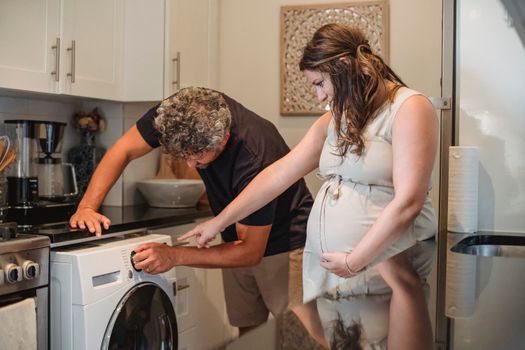
A washing machine usually smells because damp residue from detergent, fabric softener, lint and body soil collects where water sits, giving mold, mildew and bacteria a place to grow. The fix is to clean the places where residue hides, run a cleaning cycle as your manufacturer describes, and change a few habits so the machine can dry out between loads. This guide covers front-loaders and top-loaders, step by step, and when the smell points to a plumbing or drain problem instead.
Why Does a Washing Machine Smell Bad?
- Door gasket (front-loaders): the rubber seal traps water, lint and residue in its folds.
- Detergent and softener drawer: leftover product turns slimy and grows mold.
- Drain pump filter: many front-loaders have a filter behind a small panel that catches lint, coins and debris; standing water there can smell.
- Too much detergent or softener: excess product leaves residue that feeds odors.
- Closed door and wet laundry left inside: trapped moisture lets mildew grow.
- Drain or plumbing issues: a sewage-like smell can come from the drain hose, standpipe or a dry trap rather than the machine.
Step-by-Step Cleaning for Front-Loaders
- Gasket: pull back the folds and wipe out lint, hair and slime with a cloth and a mild cleaner recommended in your manual. Dry the folds afterward.
- Dispenser drawer: remove it if your model allows, soak and scrub it, and clean the cavity where it sits.
- Drain pump filter: place towels and a shallow tray underneath, open the access panel, drain the water as your manual describes, remove debris and rinse the filter.
- Cleaning cycle: run the machine's tub-clean or cleaning cycle empty, using the cleaner your manufacturer recommends. If there's no dedicated cycle, follow the manual's instructions for a hot, empty cleaning wash.
- Dry: leave the door and drawer open afterward.
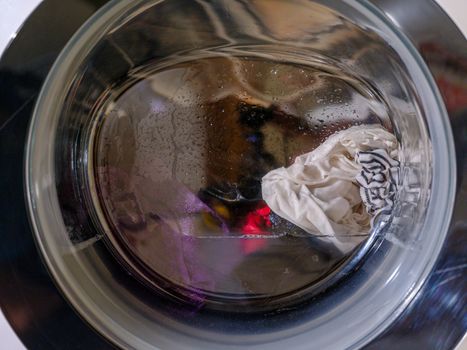
Step-by-Step Cleaning for Top-Loaders
- Wipe under the rim and around the agitator or impeller, where residue collects.
- Clean dispensers for detergent, bleach and softener.
- Run a cleaning cycle per your manual, with the recommended cleaner.
- Check the lint filter if your model has one, often under the agitator cap or along the tub edge.
- Leave the lid open to dry.
Choosing a Cleaner
Use what your machine's manufacturer recommends, whether a commercial washer-cleaner product, chlorine bleach or another option. Never mix cleaners, especially bleach with vinegar or ammonia-based products, which can release harmful gases. Some manufacturers caution against regular vinegar use because it may affect rubber seals; check your manual. Compare washer cleaners by what they are approved for and their current price per use on the store shelf.
Preventative Maintenance to Stop Odors
- Use the right type and amount of detergent: high-efficiency (HE) detergent in HE machines, and only as much as the label recommends for your load and water hardness.
- Go easy on fabric softener, or use dryer alternatives.
- Remove wet laundry promptly.
- Leave the door or lid open between loads so the drum can dry, if it's safe for children and pets.
- Wipe the gasket after the last load of the day.
- Run the cleaning cycle on the schedule in your manual, or when the machine prompts you.
- Clean the drain pump filter periodically as the manual recommends.
When the Smell Is a Plumbing Problem
If the odor smells like sewage or persists after cleaning, check the drain setup. The drain hose should be inserted into the standpipe properly, not sealed tight, and the standpipe may need cleaning. A floor drain or sink trap nearby that has dried out can let sewer gas into the room; running water into it refills the trap. If you can't find the source, a plumber or appliance technician can check the drain line and venting.
When to Call a Technician
- Water stays in the drum after the cycle ends.
- The machine shows a drain error code repeatedly.
- You smell burning or electrical odors (stop using it immediately).
- The drain pump is noisy or the filter can't be opened.
Get a quote from an authorized service provider for your brand, and check whether the machine is under warranty first.
Comparison: Front-Loader vs Top-Loader Odor Hotspots
| Area | Front-loader | Top-loader |
|---|---|---|
| Main hotspot | Door gasket folds | Under the rim and agitator |
| Filter | Drain pump filter behind front panel | Lint filter on some models |
| Drying | Leave door open | Leave lid open |
| Cleaning cycle | Tub-clean cycle per manual | Cleaning cycle per manual |

Removing the Smell From Clothes
If laundry comes out smelling musty, clean the machine first, then rewash the clothes on the warmest setting the care labels allow, with the right amount of detergent. Dry them promptly and fully. If towels still smell, they may have built-up residue from too much detergent or softener; washing with less detergent for a few cycles often helps.
A Simple Monthly Routine
- Wipe the door gasket folds and the area around the door or lid.
- Rinse the detergent and softener dispensers.
- Run the cleaning cycle if your machine prompts you or your manual recommends it.
- Check the drain pump filter on the schedule your manual suggests.
- Leave the door or lid open after the last load to dry the drum.
Five minutes a month usually prevents odors from coming back and is much easier than removing heavy buildup later.
Frequently Asked Questions
Can vinegar damage a washing machine?
Some manufacturers caution against regular use because it may affect rubber parts. Follow your manual's recommended cleaner.
How often should I clean my washer?
Follow the schedule in your manual; many machines remind you to run a cleaning cycle. Wipe the gasket and dispenser more often if you notice residue.
Why does my front-loader smell more than my old top-loader?
Front-loaders seal tightly to save water, so moisture can stay inside. Leaving the door open and cleaning the gasket and filter usually solves it.
Is the drain pump filter hard to clean?
Usually not, but water will come out; put towels and a tray down and follow your manual.
Choosing Detergent for Fewer Odors
Use the detergent type your machine requires, such as HE detergent for high-efficiency washers, and measure it according to the label for your load size and water hardness rather than filling the cap. Pods are pre-measured but may be too much for small loads. In very soft water, less detergent is needed; too much leaves residue that feeds odors and can make clothes feel stiff. If you see suds left at the end of a cycle, you are probably using too much.
Key Takeaways
- Clean the gasket, dispenser and drain filter, then run a cleaning cycle.
- Use HE detergent in the recommended amount and less softener.
- Remove wet laundry promptly and let the machine dry between loads.
- Persistent sewage smells point to the drain or plumbing.