Effective Lower Electricity Bill Tips and Tricks
The biggest savings on an electricity bill usually come from heating and cooling, water heating and large appliances, so start there before worrying about phone chargers. How much you save depends on your home, climate, rate plan and habits, which is why this guide avoids promising specific percentages. Instead it shows how to find where your electricity goes, which changes tend to matter most, and how to check results on your own bill.
Step 1: Read Your Bill and Rate Plan
- Usage in kWh. Compare this month with the same month last year; many bills show a chart.
- Rate structure. Find out whether you pay a flat rate, tiered rates, or time-of-use rates that cost more at peak hours.
- Fixed charges. Some charges don't change with usage; focus savings efforts on the usage part.
- Utility tools. Many utilities offer online usage graphs, home energy reports, free or discounted energy assessments, and rebates for efficient equipment. Check your utility's website.
Step 2: Heating and Cooling
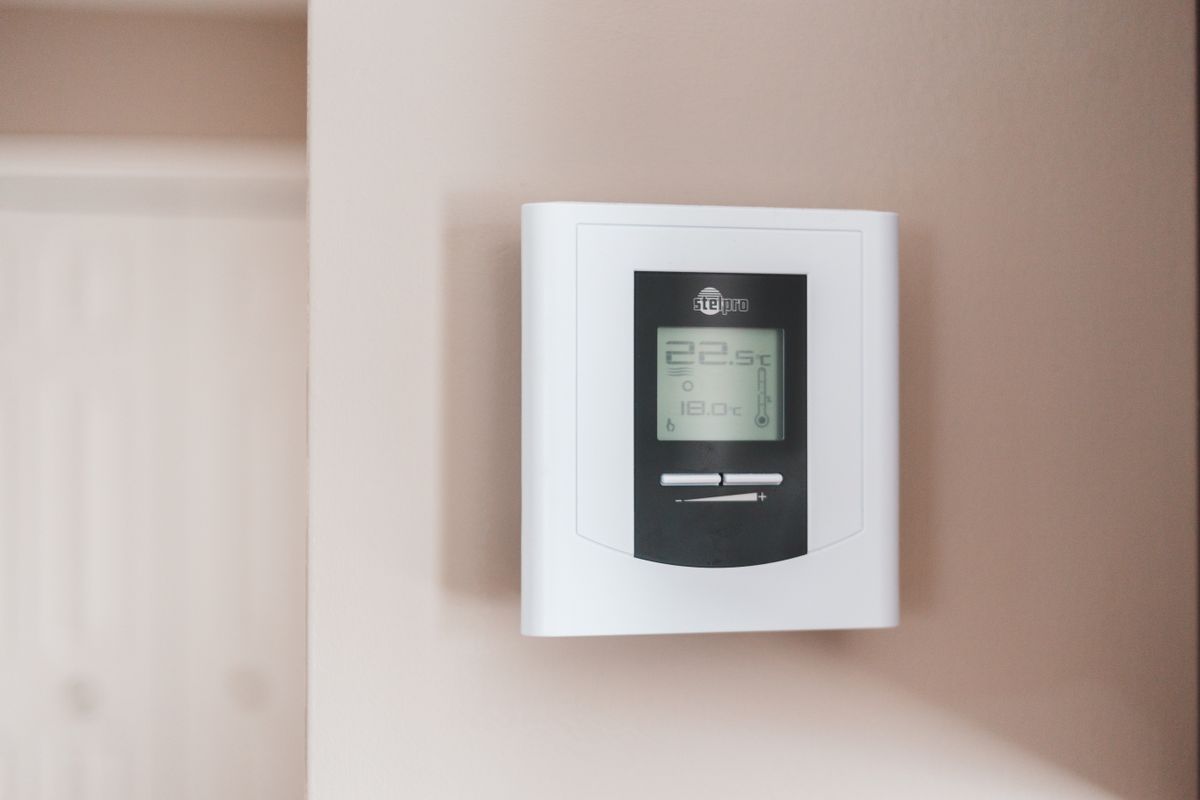
- Thermostat settings. Setting the thermostat back while you're asleep or away reduces how long the system runs. A programmable or smart thermostat makes this automatic. If you have a heat pump, check the manufacturer's guidance on setbacks.
- Filters. Replace or clean HVAC filters on the schedule your system's manual recommends; clogged filters make the system work harder.
- Air sealing and insulation. Sealing gaps around doors, windows and ducts and adding insulation where it's lacking reduce heating and cooling loss. A home energy assessment can show where the biggest leaks are.
- Fans and shading. Ceiling fans help you feel cooler at a higher thermostat setting; close blinds on sunny summer days and open them on sunny winter days.
- Maintenance. Have heating and cooling equipment serviced so it runs efficiently.
Step 3: Water Heating
- Lower the water heater temperature setting if it is higher than you need, following the manufacturer's guidance.
- Fix dripping hot water taps and use efficient showerheads.
- Wash laundry in cold water when possible.
- Insulate accessible hot water pipes, if your water heater's manual allows.
Step 4: Appliances and Electronics
- Refrigerator and freezer. Keep door seals clean and tight, set temperatures as the manual recommends, and avoid running an old second fridge you don't need.
- Dishwasher and washer. Run full loads and use eco settings.
- Dryer. Clean the lint filter every load and air-dry when you can.
- Standby power. Devices that stay on in standby, such as game consoles, set-top boxes and computers, use some power continuously. Advanced power strips or turning devices fully off when not in use can help.
- Lighting. LED bulbs use much less electricity than incandescent bulbs and last longer.
Step 5: Use Time-of-Use Rates to Your Advantage
If your utility charges more at peak times, shift flexible tasks such as dishwashing, laundry and electric vehicle charging to off-peak hours. Many appliances and chargers have delay-start timers. Check your utility's current peak hours, since they vary by utility and season.
Step 6: When Buying New Equipment
When an appliance or heating and cooling system needs replacing, compare models using the yellow EnergyGuide label, which shows estimated yearly energy use and cost, and look for ENERGY STAR certified products. Check your utility and state for rebates, and ask whether federal or state tax incentives apply in the year you buy, since programs change.
Measure What Works
Make one or two changes at a time and compare your usage on the next bills with the same months the year before, adjusting for unusual weather. A plug-in energy monitor can show what a particular appliance uses. Measuring keeps you focused on the changes that actually move your bill.
Comparison: Where to Focus First
| Area | Low-cost steps | Bigger investments |
|---|---|---|
| Heating and cooling | Thermostat setbacks, filters, sealing gaps | Insulation, efficient heat pump or AC |
| Water heating | Temperature setting, cold-water laundry | Efficient water heater |
| Appliances | Full loads, clean seals and lint filters | ENERGY STAR replacements |
| Lighting and electronics | LED bulbs, power strips | Smart controls |
Renters' Quick Wins
Renters can't usually replace windows or insulation, but they can still lower bills: use LED bulbs, set back the thermostat, seal drafts with removable weatherstripping or draft stoppers, use curtains to block summer sun and winter drafts, clean refrigerator coils if accessible, and ask the landlord to service the heating and cooling system and replace filters. Report leaks and broken seals promptly, since they waste energy and money.
A Simple Monthly Routine
- Note the meter reading or usage from your utility account on the same day each month.
- Check HVAC filters and replace them when dirty.
- Walk through the home for devices left on and standby loads that can be switched off.
- Review thermostat schedules as seasons change.
- Compare this month's usage with the same month last year.
Watch Out for Energy Scams
Be cautious with door-to-door or phone offers that promise guaranteed savings, demand immediate payment, or claim to be from your utility. Verify by calling the number on your bill. Before switching electricity suppliers in areas that allow choice, read the contract for variable rates, introductory prices and cancellation fees.
Frequently Asked Questions
Do smart thermostats really save money?
They can, mainly by making setbacks automatic. Savings depend on your habits, climate and system; compare bills before and after.
Is unplugging chargers worth it?
Phone chargers use little power on their own. Larger standby loads such as consoles and entertainment systems are a better target.
Should I switch to a time-of-use plan?
Only if you can shift a meaningful share of your use to off-peak hours. Your utility may offer a bill comparison tool.
Where can I get help paying high bills?
Ask your utility about payment plans and assistance programs; the federal Low Income Home Energy Assistance Program (LIHEAP) also helps eligible households through state agencies.
Cooking and Kitchen Habits
Small changes in the kitchen add up over a year. Match pot size to the burner, keep lids on pots to cook faster, and use a microwave, toaster oven or slow cooker for smaller meals instead of heating a full oven. Avoid opening the oven door repeatedly while baking. Let hot food cool briefly before refrigerating it, following food safety guidance, and keep the refrigerator reasonably full but not crowded so air can circulate. Run the dishwasher only when full and skip heated drying if your model allows air-dry.
Planning Larger Upgrades
If you own your home, a professional home energy assessment can rank improvements by cost and benefit. Common recommendations include sealing ducts, adding attic insulation and replacing old heating and cooling equipment with efficient models. Ask your utility about rebates and financing before starting, and get more than one contractor quote.
Key Takeaways
- Start with heating, cooling and water heating.
- Know your rate plan and shift use off-peak if it pays.
- Use EnergyGuide labels and ENERGY STAR when replacing equipment.
- Measure results on your bill.