Why September is the Ultimate Month for Global Festivals
Travel planning often revolves around beating the peak summer crowds while securing pleasant weather across the Northern Hemisphere. September achieves this balance better than almost any other month. As the frantic pace of July and August subsides, communities around the globe transition from summer exhaustion into historic harvest celebrations, cultural gatherings, and massive traditional fairs. For the discerning traveler, September offers a rare window to experience authentic local traditions without navigating shoulder-to-shoulder tourism.
Planning a trip around a specific festival requires a shift in how you approach your itinerary. Rather than building a list of museums and monuments, your schedule bends to the rhythm of local custom. You might spend your mornings exploring quiet Highland glens before joining thousands of kilt-clad spectators in a Scottish arena, or wander through historic Spanish plazas that transform nightly into open-air dining rooms. The key to a successful festival journey is embracing the energy of the crowd while maintaining realistic expectations about logistics, crowd control, and local business hours.
When evaluating September events, accuracy matters. Countless online guides list festivals that have ceased operations or conflate dates with neighboring months. Every annual gathering featured below represents a firmly established tradition that reliably takes place during the ninth month of the year. Because lunar calendars, municipal scheduling, and shifting weekends affect exact timing, dates vary slightly from year to year. Always treat published windows as general approximations and confirm official schedules directly with municipal tourism boards before locking in non-refundable transit.
Oktoberfest: Munich, Germany
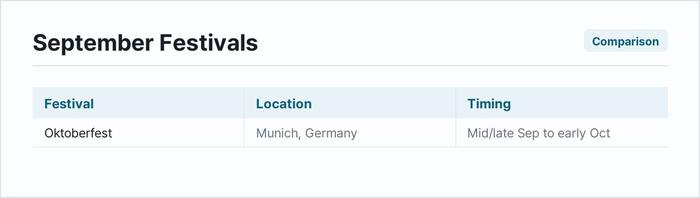
Long before the first stein of Märzen beer is hoisted above the heads of cheering crowds, Munich prepares for its defining annual spectacle. Contrary to its name, Oktoberfest almost entirely unfolds in September, typically kicking off in the middle or latter half of the month and wrapping up on the first Sunday of October. This legendary celebration began in the early nineteenth century to honor a royal Bavarian marriage, and it has since evolved into the world's largest Volksfest, drawing millions of visitors to the Theresienwiese fairgrounds.
Stepping onto the festival grounds can feel overwhelming for first-time visitors. Massive tents operated by historic Munich breweries dominate the landscape, each capable of seating thousands of guests under soaring vaulted ceilings adorned with hops and flags. Outside the tents, traditional carnival rides, rollercoasters, and food stalls offering roasted chicken, giant pretzels, and gingerbread hearts create a vibrant village atmosphere. The opening Saturday features the grand costumed parade, where historic rifle clubs, brewery wagons, and participants in regional Bavarian dress march through the city streets toward the fairgrounds.
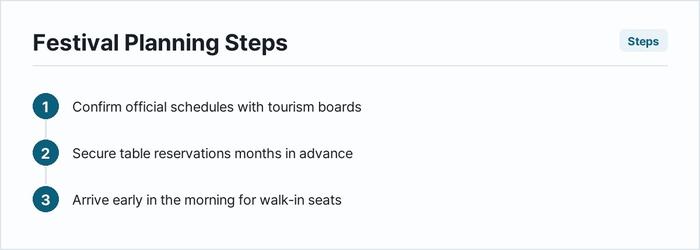
Experiencing Oktoberfest successfully requires strategy. While admission to the fairgrounds and individual tents is free, securing a table inside the main tents during peak hours is notoriously difficult without reservations made many months in advance. Yet a significant portion of seating is always left unreserved for walk-in guests willing to arrive early in the morning or share benches with strangers. For travelers who prefer a slightly more relaxed pace, visiting during weekday lunch hours or exploring the quiet Oide Wiesse section—which showcases historical rides and traditional agricultural displays—provides an authentic taste of Bavarian culture without the intense evening crush.
Navigating Munich in September
Munich is exceptionally well-connected, making transit to the Theresienwiese straightforward via the city's U-Bahn subway network. When planning your accommodation, look for neighborhoods outside the immediate vicinity of the central station and the fairgrounds to avoid inflated rates and heavy foot traffic. Exploring surrounding regions like the Bavarian Alps or the historic town of Regensburg makes for an ideal day trip if you wish to balance the high-energy revelry of the festival with quiet countryside landscapes.
The Braemar Gathering: Aberdeenshire, Scotland
Tucked into the rugged landscapes of the Cairngorms National Park, the small village of Braemar transforms every September into the global epicentre of Highland culture. The Braemar Gathering stands out among Scottish Highland games not only for its historical significance—having been attended by reigning British monarchs since the reign of Queen Victoria—but also for the sheer authenticity of its athletic competitions, piping bands, and traditional dancing.
The event grounds sit in a natural natural bowl surrounded by heather-clad mountains, creating a dramatic backdrop for the day's events. Spectators line the arena to watch competitors heave massive pine cabers end-over-end, hurl heavy stone weights, and test their endurance in grueling hill races up the steep slopes overlooking the village. Interspersed between athletic feats are massed pipe bands whose stirring melodies echo across the valley, alongside intricate sword dances performed with precision timing.
Planning a trip to Braemar requires acknowledging the rural nature of the Scottish Highlands. The village itself is small, and local lodging fills up rapidly as travelers converge from Aberdeen and Edinburgh. Many visitors choose to base themselves in larger nearby towns and travel to the venue by car or organized coach service, allowing for scenic drives through royal Deeside that take about two to three hours depending on your starting point in the region.
Galway International Oyster and Seafood Festival: Ireland
Along the Atlantic coast of western Ireland, the historic harbor city of Galway marks the arrival of autumn by celebrating its most famous marine delicacy. The Galway International Oyster and Seafood Festival, held annually on the final weekend of September, honors the opening of the native oyster season with a vibrant weekend of culinary competitions, street parades, and lively music sessions.
The festival centers around the World Oyster Opening Championship, where master shuckers from across the globe race against the clock to crack open dozens of native oysters with absolute precision and zero shell fragmentation. Beyond the competition, the weekend features the Seafood Trail, where local restaurants showcase menus highlighting the catch of the day, paired with traditional Irish music and local brewing creations. The atmosphere throughout the city is convivial and welcoming, blending maritime heritage with contemporary Irish culinary ambition.
Galway is a compact, highly walkable city, but festival weekend draws significant numbers of visitors from Dublin and beyond. Reaching Galway from the capital takes about two to three hours by car or train across the central plains of Ireland. Booking accommodation well in advance is essential, and travelers should prioritize staying within the city center to enjoy the late-night music sessions without needing late-night transit.
Feria de Murcia: Murcia, Spain
While northern European festivals lean into harvest beers and highland athletics, southern Spain embraces the transition to autumn with exuberant street fairs. The Feria de Murcia, which typically spans a week or two during the middle of September, transforms the historic southeastern city into a bustling celebration of regional gastronomy, folklore, and Moorish heritage.
A defining feature of the Murcia fair is the creation of traditional outdoor dining hubs known as huertos. Set up in public squares and parks across the city, these festive food spaces are managed by local cultural groups and serve regional specialties such as zarangollo, paparajotes, and local wines. Visitors move from huerto to huerto, sampling tapas while enjoying live folk music and dance performances under strings of colored lights. The festival also features traditional processions, bullfighting events, and lively midnight concerts.
Murcia experiences a warm Mediterranean climate well into September, making evening strolls particularly pleasant after the intense daytime heat of mid-summer. The city is easily accessible via high-speed rail connections from major Spanish hubs, making it an excellent addition to a broader Iberian itinerary that avoids the overwhelming crowds found in coastal resort towns during August.
Mid-Autumn Festival: East Asia
Observed across China, Taiwan, Hong Kong, Vietnam, and diaspora communities worldwide, the Mid-Autumn Festival falls on the fifteenth day of the eighth month of the lunar calendar, which typically places it somewhere in mid-to-late September. Also known as the Moon Festival, this ancient celebration centers around family reunions, giving thanks for the autumn harvest, and honoring the full moon.
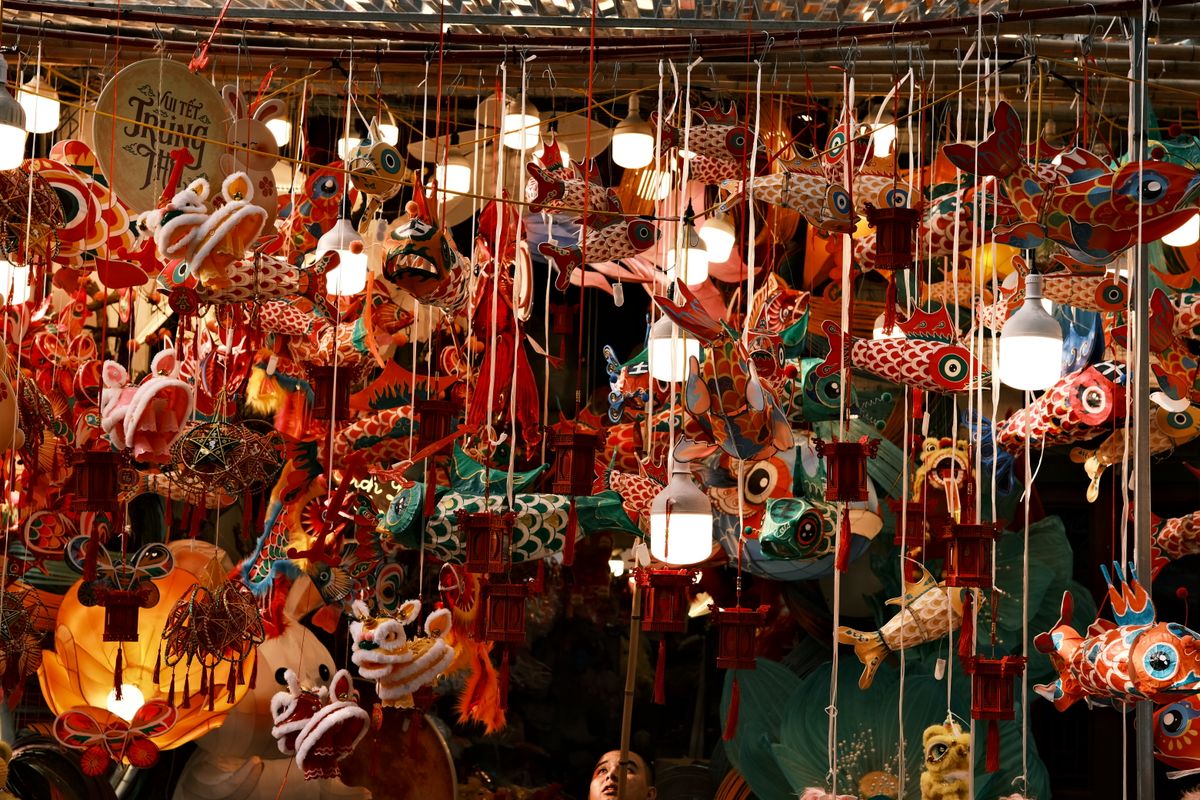
Travelers in East Asian cities during this period will witness streets and parks illuminated by thousands of colorful lanterns shaped like animals, flowers, and mythical figures. Families gather outdoors to share round mooncakes filled with lotus seed paste and salted egg yolks, sip tea, and tell stories of Chang'e, the legendary moon goddess. Major parks in cities like Hong Kong, Taipei, and Shanghai host large-scale lantern displays and cultural performances that draw both locals and international visitors.
Because the exact date shifts yearly based on the lunar cycle, checking local calendar conversions is vital before booking travel. While major urban centers bustle with festive energy during the evening hours, visitors should note that many businesses close early on the primary night of the festival as locals prioritize family gatherings.
Burning Man and the Late-August to September Edge
For travelers tracking global events, large temporary gatherings often straddle the boundary between late summer and early autumn. The prominent temporary desert metropolis in Nevada typically begins in late August and concludes over Labor Day weekend in early September. While heavily associated with late summer heat, its closing days mark the physical transition into the September travel window.
This event operates on principles of radical self-reliance and community participation rather than traditional tourism. Attendees must bring all necessary food, water, shelter, and survival gear for an intense desert environment. For travelers seeking structured cultural immersion, this style of gathering requires extensive preparation and a very different mindset compared to European harvest fairs or historic city festivals.
Comparing September Festivals Around the World
| Festival | City / Region | Typical Timing | What It Is | Who It Suits | Booking Tip |
|---|---|---|---|---|---|
| Oktoberfest | Munich, Germany | Mid to Late September | Massive historic beer and folk festival | Social travelers and beer culture enthusiasts | Book lodging early in outer neighborhoods; use transit |
| Braemar Gathering | Aberdeenshire, Scotland | Early September | Traditional Highland games with royal attendance | Fans of history, athletics, and Scottish culture | Secure regional lodging months in advance |
| Galway Oyster Festival | Galway, Ireland | Late September | Culinary celebration of native Atlantic oysters | Seafood lovers and live music fans | Stay in the city center for easy walking access |
| Feria de Murcia | Murcia, Spain | Mid-September | Vibrant regional street fair with outdoor dining | Food travelers seeking authentic Spanish culture | Plan evening schedules around local dining hours |
| Mid-Autumn Festival | East Asia (Various) | Mid to Late September (Lunar) | Traditional lantern and mooncake celebration | Culture seekers and photography enthusiasts | Verify lunar calendar dates annually before booking |
Practical Advice for Planning Your September Trip
Embarking on a festival-centric journey demands a flexible travel philosophy. Even the most meticulously planned itineraries can be disrupted by sudden crowd surges, rail delays, or unexpected weather changes. To maintain your equilibrium while on the road, establish a daily rhythm that balances high-energy festival attendance with periods of quiet exploration. Visit historic neighborhoods or local museums in the morning hours before venues fill with crowds, saving your afternoons and evenings for the main event.
Packing for September requires careful attention to regional geography. A trip to a Scottish Highland gathering calls for waterproof layers, sturdy footwear suitable for uneven terrain, and wind-resistant outerwear, as mountain weather can shift rapidly. Conversely, attending a street fair in southern Spain requires lightweight, breathable clothing for warm daytime temperatures alongside a light sweater for comfortable evening strolls. Always prioritize comfort over fashion when navigating crowded festival grounds where you may spend hours standing on cobblestones or grass.
Communication and local etiquette form the foundation of a rewarding cultural experience. While major international events feature English signage and multilingual staff, learning a few basic phrases in the local language—such as greetings and expressions of gratitude—goes a long way toward building rapport with residents and vendors. Respect local customs regarding photography, queueing, and quiet hours, particularly in residential neighborhoods hosting traditional celebrations.
Frequently Asked Questions
Are September festival dates the same every year?
No. While annual events generally occur during the same weeks each year, exact dates shift due to weekends, municipal planning, and lunar calendars. Always check official municipal or festival websites before booking non-refundable transportation.
How far in advance should I book accommodation for popular September events?
For major celebrations like Oktoberfest in Munich or the Braemar Gathering in Scotland, you should begin securing lodging six to nine months in advance. Smaller regional festivals allow for slightly shorter windows, but booking early ensures better choices near city centers.
Are September festivals suitable for family travel?
Many September festivals, such as the Mid-Autumn Festival and regional Spanish fairs, are highly family-friendly, offering daytime activities, colorful displays, and cultural performances. Events focused primarily on evening social drinking require careful parental discretion regarding crowds and atmosphere.
What is the weather generally like during September travels?
Weather varies dramatically depending on your destination. Northern European and alpine regions begin experiencing crisp autumn conditions with cool evening temperatures, while southern European and Mediterranean destinations maintain warm, pleasant summer-like weather well into the month.
Should I purchase festival tickets online before arriving?
Yes, whenever advance ticketing is available, you should secure your entry passes online to avoid long queues on-site. For free-admission events like street fairs, arriving early in the day is the best strategy for securing favorable seating or viewing spots.
Frequently Asked Questions
Are September festival dates the same every year?
No, exact dates shift annually due to weekends, municipal scheduling, and lunar calendars. Always check official festival websites before booking travel.
How far in advance should I book accommodation for popular September events?
For major events like Oktoberfest or the Braemar Gathering, you should secure lodging six to nine months in advance. Smaller regional fairs allow shorter planning windows.
Are September festivals suitable for family travel?
Many September festivals, including the Mid-Autumn Festival and Spanish street fairs, are very family-friendly. Events centered around evening social drinking require discretion regarding crowds.
What is the weather generally like during September travels?
Weather varies by destination, with northern and alpine regions turning crisp and cool, while Mediterranean areas maintain warm, pleasant daytime conditions.
Should I purchase festival tickets online before arriving?
Yes, whenever advance ticketing is available, secure your entry passes online to avoid long queues on-site. For free street events, arrive early in the day.