The Strategic Advantage of September Travel
Ask seasoned travelers about their favorite month of the year, and a surprising number will point to September. Across much of the Northern Hemisphere, this month occupies a sweet spot in the annual tourism calendar. The relentless peak-season crowds of July and August depart for schools and offices, airfares and accommodation rates begin to normalize, and the weather frequently holds onto its summer warmth without the stifling heat waves that plague mid-summer.
Yet, shoulder season is not a universal guarantee of perfection. Choosing the wrong destination in September can lead to shuttered restaurants, unseasonal rains, or a premature end to ferry services. The secret lies in matching your travel goals with regions where September brings a distinct seasonal advantage. Whether you want to swim in a still-warm sea, witness the frantic energy of the grape harvest, or catch the very first amber tones of autumn foliage before the rush, September delivers.
This guide looks past the generic marketing hype to examine real destinations where traveling in September genuinely pays off. We will break down regional weather patterns, crowd dynamics, and realistic booking timelines so you can plan a trip based on facts rather than wishful thinking.
The Mediterranean Coast: Warm Seas and Thining Crowds
During July and August, destinations like the Greek islands and the Dalmatian coast of Croatia groan under the weight of mass tourism. Temperatures spike, narrow historic streets pack with cruise ship passengers, and booking a quiet table for dinner requires tactical planning. September changes the equation entirely.
The primary benefit of a September Mediterranean trip is thermal inertia. The sea has absorbed months of intense summer sunshine, meaning water temperatures remain delightful for swimming well into the month. At the same time, daytime air temperatures drop from oppressive to comfortable, making it far more pleasant to explore ancient ruins, hike coastal trails, or wander through medieval walled towns.
In the Greek islands, such as Crete, Naxos, or Rhodes, the ferry schedules are still solid during the first three weeks of September. While beachside tavernas remain open and lively, you no longer need to reserve sunbeds at dawn. Similarly, along the Croatian coast from Split down to Dubrovnik, the pebble beaches are noticeably quieter, and national parks like Plitvice Lakes can be enjoyed without the shoulder-to-shoulder human traffic jams of peak summer.
When planning a September Mediterranean escape, keep in mind that the rhythm of life slows down as the month progresses. The final week of September often sees the first wave of seasonal closures, as family-run hotels and island ferries begin winding down operations for the year. If you prefer absolute peace, book your trip for the middle two weeks of the month.
The Wine Harvest: Tuscany, Napa, and Bordeaux

For culinary travelers, September is the undisputed highlight of the calendar. Across the great wine regions of Europe and North America, late summer transitions into the vendemmia, or grape harvest. This is not merely a scenic backdrop; it is a living, breathing agricultural event that transforms the atmosphere of entire regions.
In Tuscany, the hills around Chianti and Val d'Orcia buzz with activity. Vineyards are alive with workers hand-picking clusters of Sangiovese grapes, and the scent of fermenting juice hangs faintly in the evening air. Daytime temperatures are warm enough for leisurely lunches outdoors, while crisp evenings invite a sweater as you sit among the vines. The golden light of late September also makes this a premier time for photography.
Across the Atlantic, California's Napa and Sonoma valleys experience their own frantic, exhilarating harvest season. The weather is typically dry and warm, providing ideal conditions for outdoor tastings. In southwestern France, Bordeaux enters its harvest period under mild Atlantic skies, offering visitors a chance to see the legendary châteaux at their most active.
Visiting wine regions during the harvest requires a specific booking strategy. Because this is a high-demand period for wine enthusiasts, the best boutique properties and top-tier winery tours book out months in advance. Driving distances between vineyards can be deceptive due to narrow rural roads and harvest traffic tractors, so plan to spend your days exploring localized clusters rather than attempting to cross entire regions in a single afternoon.
Early Foliage and Mountain Air: The Canadian Rockies
If your ideal September involves crisp mountain air, dramatic peaks, and early displays of autumn color, head north. The Canadian Rockies experience a brief, brilliant shoulder season that begins after the Labor Day holiday and lasts until the first major snowstorms arrive.
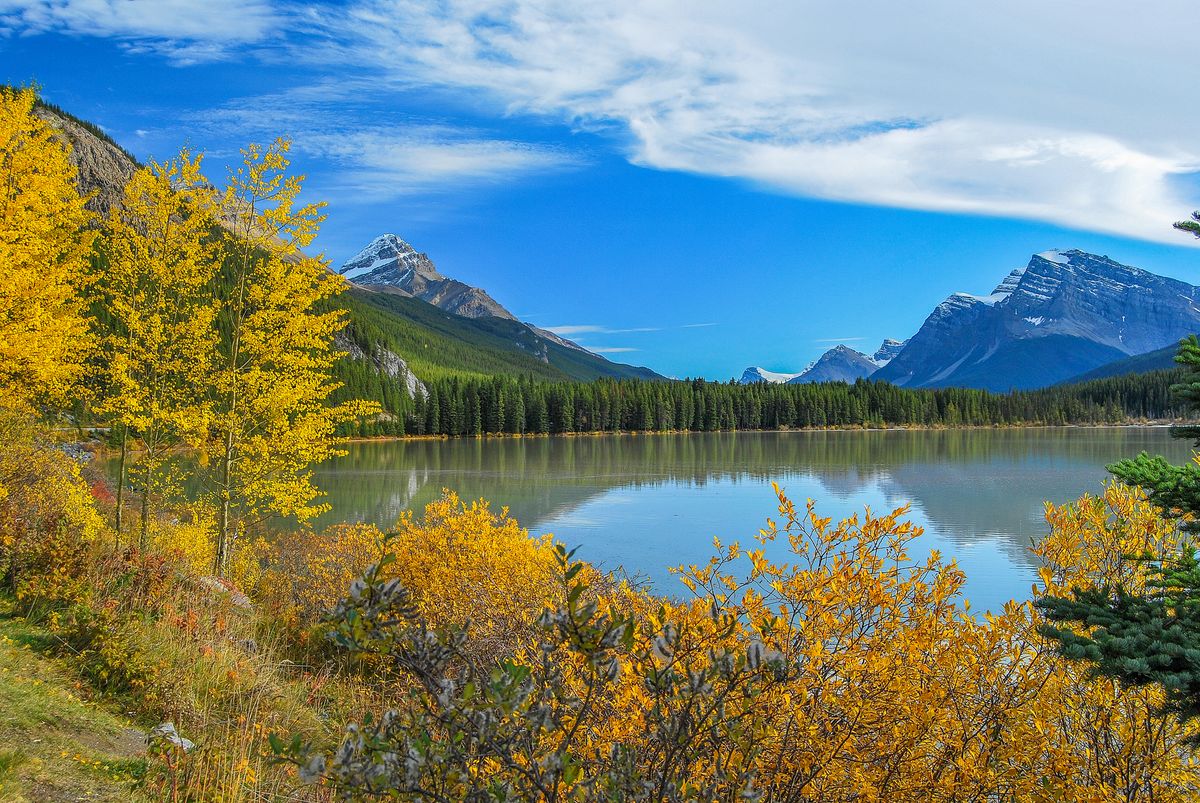
In places like Banff and Jasper National Parks, September brings a dramatic drop in visitor numbers. The summer camper vans depart, and the iconic turquoise lakes mirror snow-dusted peaks under clear blue skies. The real star of the month, however, is the alpine larch. Unlike most conifers, larches are deciduous needle-bearing trees that turn a brilliant, glowing gold before dropping their needles in autumn. Hiking trails through high-elevation passes offer breathtaking contrasts between green pines, golden larches, and grey limestone cliffs.
Weather in the Canadian Rockies during September is famously unpredictable. You might experience glorious, T-shirt-weather afternoons followed by freezing overnight temperatures. Snow can fall at higher elevations at any time during the month, which adds to the dramatic scenery but requires hikers to pack appropriate layers and footwear. Because park facilities and popular lodges begin scaling back their hours toward the end of September, it is essential to check trail conditions and seasonal closures before setting out.
Post-Monsoon Clarity: The High-Altitude Deserts of Ladakh
For adventurous travelers seeking a landscape entirely removed from the standard European or North American itinerary, September is the golden window for the high-altitude region of Ladakh in northern India.
Geographically part of the Tibetan Plateau, Ladakh is a rain shadow region blocked from the worst of the Indian monsoon. But July and August can still bring unpredictable weather systems that disrupt travel over high mountain passes. September marks the definitive post-monsoon clearing. The skies turn an intense, crystalline blue, the rivers run clear, and the stark, arid mountains are framed by perfect visibility.
This is prime trekking season. Routes such as the famous multi-day walks between ancient Buddhist monasteries are accessible under stable weather conditions. Daytime temperatures are comfortable for walking, though the high altitude means the sun is intensely strong and temperatures plummet well below freezing as soon as night falls.
Traveling to Ladakh requires careful acclimatization due to elevations routinely exceeding three thousand meters. Visitors typically spend the first two days resting in the regional capital of Leh. September is also a time of local festivals, where monastery courtyards host masked dances performed by monks. Always verify festival dates on official cultural calendars, as lunar-based calculations shift slightly each year.
Southern Hemisphere Spring: Cape Town and the Western Cape
While the Northern Hemisphere prepares for the cooling days of autumn, the Southern Hemisphere is waking up to spring. For travelers looking to escape the changing seasons altogether, September in South Africa's Western Cape offers an exceptional combination of natural spectacles and urban energy.
September is the tail end of the whale-watching season along the Cape Whale Coast, where southern right whales come remarkably close to the shoreline to calve and nurse. Meanwhile, further north in the semi-arid Namaqualand region, the annual wildflower bloom reaches its peak, transforming dusty plains into vibrant carpets of color.
In Cape Town itself, spring brings warming temperatures and longer daylight hours, though the Atlantic winds can still be brisk. This is a shoulder period before the peak summer rush of December and January, meaning you can secure tables at top restaurants and book vineyard tours in nearby Stellenbosch and Franschhoek without facing heavy congestion.
Driving distances around the Western Cape are manageable, allowing visitors to combine coastal wildlife viewing, mountain hiking, and wine tasting within a single week. A typical scenic drive along the coast takes about one to two hours, while moving inland into the winelands requires roughly the same. Booking lead times for Cape Town are shorter than for European summer hotspots, but premier boutique hotels in trendy neighborhoods still fill up well in advance.
Comparing September Destinations
To help you weigh your options, the following table compares key regions by their September characteristics, typical weather, crowd levels, and recommended booking lead times.
| Region | Why September | Typical Weather | Crowd Level | Booking Lead Time |
|---|---|---|---|---|
| Mediterranean (Greece/Croatia) | Warm sea for swimming, major summer crowds depart | Warm and sunny, cooling evenings | Moderate | 2-4 months |
| Wine Regions (Tuscany/Napa) | Grape harvest (vendemmia) is underway | Warm days, crisp evenings | High (Wine country specific) | 3-6 months |
| Canadian Rockies | Golden larch foliage, crisp hiking weather | Cool to mild, potential early snow | Low to Moderate | 3-5 months |
| Ladakh, India | Post-monsoon clearing, perfect trekking visibility | Clear and sunny days, freezing nights | Low | 2-3 months |
| Cape Town, South Africa | Spring bloom, whale watching, pre-summer calm | Mild spring weather, occasional coastal wind | Moderate | 2-4 months |
How to Choose Your September Destination
Selecting the right destination in September comes down to identifying what kind of transition you want to witness. If your priority is extending summer and enjoying warm coastal waters without fighting for space on the sand, target the Mediterranean. The water is often warmer in September than it is in June, and the restaurant owners have more time to converse now that the August rush has subsided.
If you prefer an active, cultural immersion, the wine harvest regions of Europe and North America offer an experiential depth that is hard to replicate at any other time of year. Just remember that harvest regions are working agricultural zones; book your lodgings early because vineyard owners, agricultural workers, and travelers are all competing for the same limited inventory.
For outdoor enthusiasts and photographers, mountain environments like the Canadian Rockies or the high passes of Ladakh provide dramatic scenery under stable, clear skies. Be prepared for wider temperature swings in these regions, as September weather can shift rapidly from warm sunshine to freezing conditions once the sun sets. By aligning your expectations with these seasonal realities, September becomes the most rewarding travel month of the entire year.
Frequently Asked Questions
Is September a good time to visit the Mediterranean?
Yes, September is widely considered the best month for the Mediterranean. The sea remains warm enough for swimming after the intense heat of July and August, while the massive summer crowds disperse significantly.
When should I book accommodation for September travel?
For high-demand regions like wine country during harvest or popular European islands, you should typically book three to six months in advance. While crowds thin out, boutique properties in prime locations still fill up quickly.
What is the weather like in the Canadian Rockies in September?
September brings crisp autumn weather to the Canadian Rockies, with daytime temperatures often comfortable for hiking. However, evenings turn cold, and early-season snowfalls at higher elevations are entirely possible.
Are businesses and ferries closed in Greece or Croatia in September?
Most tourist infrastructure remains fully operational throughout September. Ferry schedules and restaurants begin scaling back services only in the final week of the month or early October.
How does the Southern Hemisphere season differ in September?
While the Northern Hemisphere shifts toward autumn, September marks the arrival of spring in the Southern Hemisphere. Destinations like South Africa experience warming temperatures, blooming flora, and excellent conditions for wildlife viewing.