Why September Defines the Ultimate Road Trip
Travel hype often focuses on high summer or peak winter, but experienced drivers know that the true sweet spot for a major road trip is September. Across both hemispheres, the ninth month represents a profound seasonal pivot. In the northern half of the world, summer crowds disperse, school terms resume, and the first amber and crimson brushstrokes appear on northern canopies. Meanwhile, in the southern hemisphere, September brings the vibrant awakening of spring, coastal flora blooming along cliffside tarmac, and milder weather before the summer heat settles in.
Still, September road trips require a different kind of precision than July getaways. This is the month where timing is everything. Show up too early, and you miss the turning leaves or the harvest festivals; arrive a week too late, and you might encounter sudden mountain snowfall, unexpected seasonal road closures, or rental car restrictions regarding winter tires. Hype tells you that you can travel anywhere at any time. Accuracy demands that you respect the calendar. This guide examines six world-class driving routes where September is not just a convenient time to visit, but the exact key that unlocks the entire experience.
The Icefields Parkway, Canada: High Alpine Clarity Before the Freeze
Stretching for about two to three hundred kilometers through the heart of the Canadian Rockies between Jasper and Lake Louise, the Icefields Parkway is widely considered one of the most scenic drives on earth. In July and August, this ribbon of asphalt is bumper-to-bumper with international tour buses, and securing a parking spot at popular trailheads like the Columbia Icefield or Peyto Lake requires arriving at dawn.
September changes everything. The tourist volume drops dramatically, leaving the vast, jagged peaks, ancient glaciers, and turquoise glacial lakes to those willing to brave crisp morning temperatures. September also brings a distinct clarity to the mountain air. Wildflowers may be gone, but the golden needles of alpine larch trees turn a brilliant yellow by mid-to-late September, creating a sharp contrast against dark rock and fresh powder dusting the highest summits.
Logistically, September driving in Alberta requires vigilance. Weather in the Rockies is famously volatile. You might experience bright, twenty-degree afternoon sun followed by an overnight drop into freezing temperatures and a dusting of wet snow. While the highway is meticulously maintained, rental car companies based in Calgary or Edmonton begin monitoring tire regulations closely as the month winds down. Always verify whether your rental vehicle is equipped with proper mud and snow rated tires, especially if you plan to tackle high mountain passes.
The Blue Ridge Parkway, Virginia and North Carolina, United States: The Long Ridge Transition
Meandering for nearly seven hundred and50 kilometers along the crest of the southern Appalachians, the Blue Ridge Parkway is engineered for leisurely driving. With a strict speed limit and hundreds of designated overlooks, it is less a commuter highway and more an elevated viewing platform designed to showcase rolling mountain ridges that fade into a smoky blue horizon.
The secret to driving the Blue Ridge Parkway in September lies in understanding elevation. The northern sections in Virginia sit at lower elevations and experience the earliest hints of autumn change toward the end of the month, while the higher elevations around Mount Mitchell in North Carolina can catch early color transformations and misty, moody weather.
September offers a vital advantage over October: you can actually pull over at major overlooks without circling for twenty minutes. Traffic is civilized, roadside fruit stands are brimming with late-summer apples, and local farm-to-table stops along the route are accessible without long reservation lists. When planning a trip here, keep in mind that the parkway passes through remote terrain with limited commercial services directly on the road. Fuel up whenever you drop down into valley towns, and watch out for wildlife, particularly white-tailed deer and wild turkeys, which are increasingly active along the verges as autumn approaches.
Route 100, Vermont, United States: The Spine of New England Color
If the Blue Ridge Parkway is a slow, meditative drift, Vermont's Route 100 is a classic, vibrant valley cruise. Running north to south for about three hundred and fifty kilometers down the physical spine of the Green Mountains, this route connects historic New England villages, covered bridges, working dairy farms, and world-class country stores.
September on Route 100 is a game of patience and progression. Early in the month, the landscape is a rich, deep emerald. By mid-to-late September, the sugar maples begin their legendary chemical transformation, splashing brilliant reds, oranges, and yellows across the hillsides. Driving this route in September allows you to experience the foliage buildup without the immense traffic jams of October leaf-peeping season.
To get the most out of Route 100, avoid rushing. Give yourself plenty of time to pull off at local orchards for cider donuts or visit artisan cheese makers. Rental cars for this route are typically sourced from Boston or regional airports like Burlington. Because demand spikes as autumn approaches, secure your vehicle well in advance. Pay close attention to one-way rental fees if you plan to pick up a car in one state and drop it off in another, as New England cross-border drops can carry significant surcharges depending on the agency.
The Great Ocean Road, Victoria, Australia: Springtime on the Southern Coast
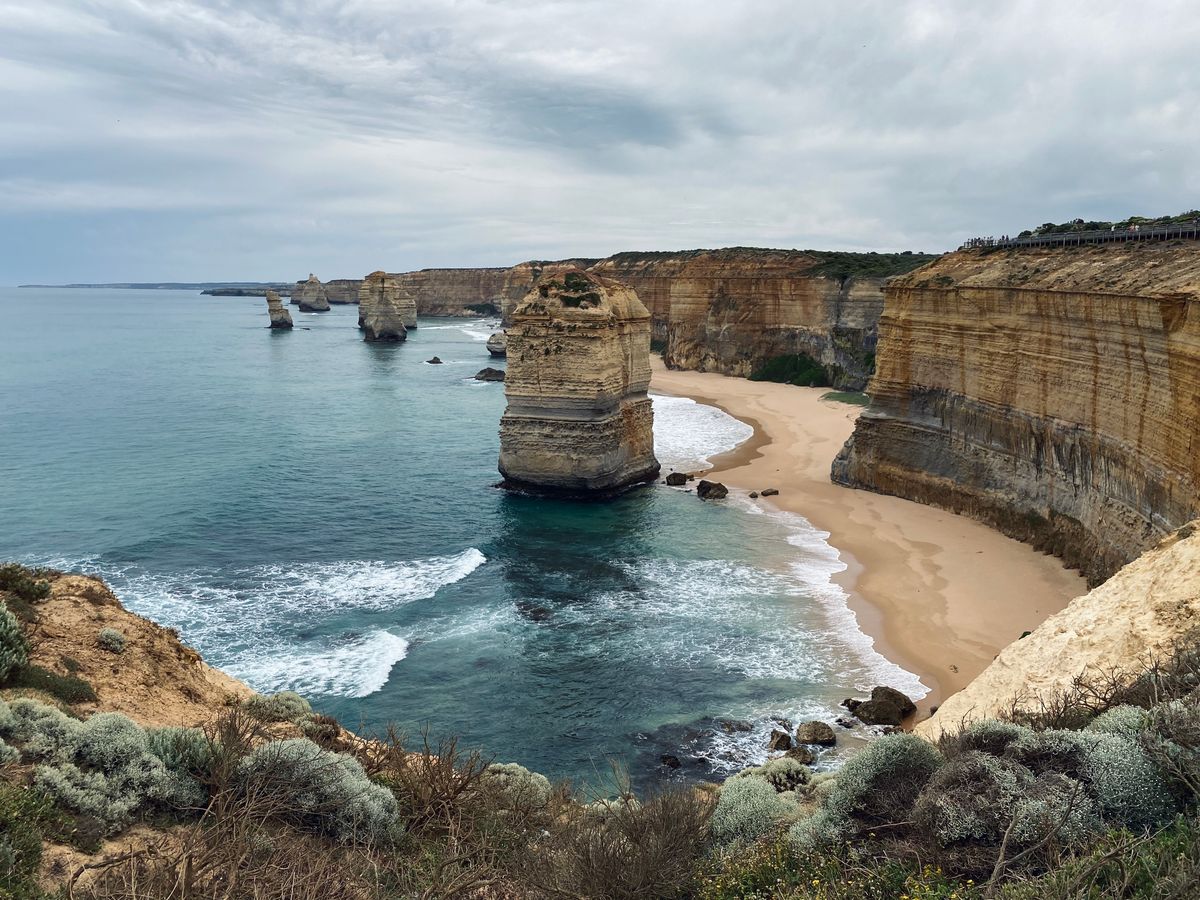
While the northern hemisphere prepares for chillier days, September in southern Australia signals the joyous arrival of spring. The Great Ocean Road, stretching for about two and a half hundred kilometers along the dramatic Victorian coastline from Torquay to Allansford, is at its absolute best during this shoulder month.
Summer brings blistering heat and wall-to-wall crowds to iconic formations like the Twelve Apostles and Loch Ard Gorge. Winter brings biting Antarctic winds and relentless ocean spray. September, however, hits the meteorological sweet spot. Wildflowers burst into bloom across the coastal heathlands, koalas are highly active in the eucalyptus trees around Kennett River, and southern right whales can often be spotted breaching just offshore with their calves.
Driving this route requires adjusting to the left side of the road if you are an international visitor, alongside navigating tight cliffside curves and sudden coastal weather shifts. September brings frequent passing showers, so a reliable vehicle with good wiper blades and responsive handling is essential. Because the route forms a logical linear drive from Melbourne, many travelers pick up a car in the city, drive the coast, and loop back via inland highways. Check your rental agreement for kilometer caps, as some regional Australian agencies enforce daily distance limits.
The Ring Road, Iceland: The Last Window Before Winter Takes Over
Circling the entire island nation for about thirteen hundred and thirty kilometers, Route 1, or the Ring Road, is Iceland’s premier overland adventure. September is arguably the most strategic month of the year to attempt this loop. Drive it in July, and you will share single-lane bridges and narrow gravel sections with a massive influx of campervans and tourists enjoying the midnight sun. Drive it in October, and you face significantly shorter daylight hours, freezing rain, unpredictable gales, and the very real possibility of sudden winter road closures in the eastern fjords or northern mountain passes.
September offers the ultimate compromise. Daylight is still generous enough for long driving days, the interior highland tracks are still technically open for a few more weeks for those with properly equipped vehicles, and the return of total darkness at night brings the first reliable sightings of the aurora borealis dancing across the Arctic sky.
Yet September driving in Iceland demands absolute respect for nature. Weather forecasts should be checked multiple times a day via official meteorological websites. Road conditions can shift from dry asphalt to icy sheets within a single mountain pass. For a standard Ring Road trip, a reliable two-wheel-drive car is sufficient if you stay strictly on the paved highway, but rental agencies will strongly advise upgrading to a four-wheel-drive vehicle if you plan on exploring rugged peninsulas or rougher side roads. Always check the gravel protection insurance options offered by Icelandic rental companies, as flying volcanic gravel is a leading cause of windshield and paint damage.
The Romantic Road, Bavaria and Baden-Württemberg, Germany: The Harvest Celebration
Winding for about four hundred kilometers from Würzburg to Füssen in southern Germany, the Romantic Road is a journey through medieval walled towns, baroque churches, and fairytale castles like Neuschwanstein. In the height of summer, tour coaches choke the cobblestone plazas of towns like Rothenburg ob der Tauber and Dinkelsbühl.
September transforms the Romantic Road into a sensory celebration. This is the heart of the German wine and agricultural harvest season. Vineyards along the Franconian section of the route are bustling with grape pickers, and local wine festivals, often called Weinfeste, pop up in historic market squares throughout the month. Typically, mid-September marks the beginning of these gatherings, where visitors can sample regional vintages directly from local growers.
Driving in Germany is an organized pleasure, but navigating historic city centers requires patience. Most old towns restrict vehicle access, meaning you will need to park in designated lots outside the historic walls and walk in. Rental cars in Germany are predominantly manual transmission unless you specifically pay a premium to reserve an automatic, so ensure your booking reflects your driving comfort level. Plus, check if your German rental car allows cross-border travel if you plan to dip briefly into neighboring Austria near the southern terminus of the route.
Comparative Overview of September Road Trip Routes
| Route | Rough Length | Suggested Days | What September Brings | Road Conditions & Rental Checks |
|---|---|---|---|---|
| Icefields Parkway (Canada) | 230 km | 3-4 days | Alpine larch color change, crisp air, low crowds | Mountain weather volatility; verify winter tire regulations |
| Blue Ridge Parkway (US) | 750 km | 5-7 days | Early elevation color, uncrowded overlooks | Remote stretches; monitor fuel levels and local wildlife |
| Route 100 Vermont (US) | 350 km | 3-5 days | Early foliage progression, harvest stands | High rental demand; check one-way drop-off fees |
| Great Ocean Road (Australia) | 250 km | 3-4 days | Spring wildflowers, whale sightings, active koalas | Drive on left; check daily kilometer caps on rentals |
| Ring Road (Iceland) | 1,330 km | 7-10 days | Northern lights return, fewer campervans | Strict weather monitoring; consider gravel protection insurance |
| Romantic Road (Germany) | 400 km | 4-6 days | Grape harvest festivals, mild weather | Manual transmission standard; park outside medieval walls |
How to Choose and Plan Your September Drive
Selecting the right September road trip comes down to matching your personal travel style with the specific rhythms of the destination you choose. If you want raw, elemental drama where weather dictates your daily itinerary, point a rental car toward the volcanic landscapes of Iceland. If you prefer slow mornings with coffee, historic country stores, and the gradual unfurling of autumn leaves, the valleys of Vermont or the ridges of the Blue Ridge Parkway will suit you best.
When planning your timeline, remember to factor in the shift in daylight hours as the month progresses. Northern routes like the Icefields Parkway and Iceland’s Ring Road experience noticeable shortening of days by the time September reaches its final week. This means adjusting your driving schedule to ensure you arrive at your destination before twilight, especially in regions where wildlife roams freely near unlit rural roads.
Finally, approach your vehicle selection as a critical part of the trip rather than an afterthought. Read the fine print on rental agreements regarding border crossings, secondary drivers, fuel policies, and insurance coverage for gravel or mountain driving. By respecting the nuances of the calendar and preparing for regional weather shifts, a September road trip offers a masterclass in travel timing: experiencing the world at its most authentic, right before the seasonal curtain falls.
Frequently Asked Questions
Why is September the best month for a road trip?
September marks the shoulder season in many destinations, meaning significantly smaller crowds at major sights and national parks. Weather conditions are often stable, and you get the transition of seasons, such as early fall foliage or grape harvests, without peak-season congestion.
Do I need a special vehicle for a September road trip in Iceland?
While the Ring Road is fully paved and generally accessible in a standard two-wheel-drive car during September, weather can change rapidly. If you plan to venture onto interior F-roads, which begin closing for the winter, a four-wheel-drive vehicle is legally and practically required.
When do I need to book rental cars for autumn road trips?
For high-demand routes like Vermont's Route 100 during peak foliage weeks or the Blue Ridge Parkway, you should secure your vehicle several months in advance. Make sure to check one-way drop-off fees if your route starts and ends in different cities.
Are mountain passes closed in the Canadian Rockies in September?
Major highways like the Icefields Parkway remain open, but early season snowstorms can occur without warning. Rental car agencies in Alberta and British Columbia often require winter tires or M+S rated tires starting in October, and some rental fleets transition early, so verify tire policies before departure.
How can I avoid crowds on the Blue Ridge Parkway in September?
The heavy leaf-peeping traffic usually peaks in late October, making September much quieter, especially during weekdays. Drive early in the morning to catch the mist over the valleys and avoid weekend afternoon bottlenecks near popular overlooks.